Record helmet condition without inventing an expiry date
Keep model instructions and condition concerns in a helmet record without inventing a universal replacement deadline.
Updated:
Record the reason for the concern
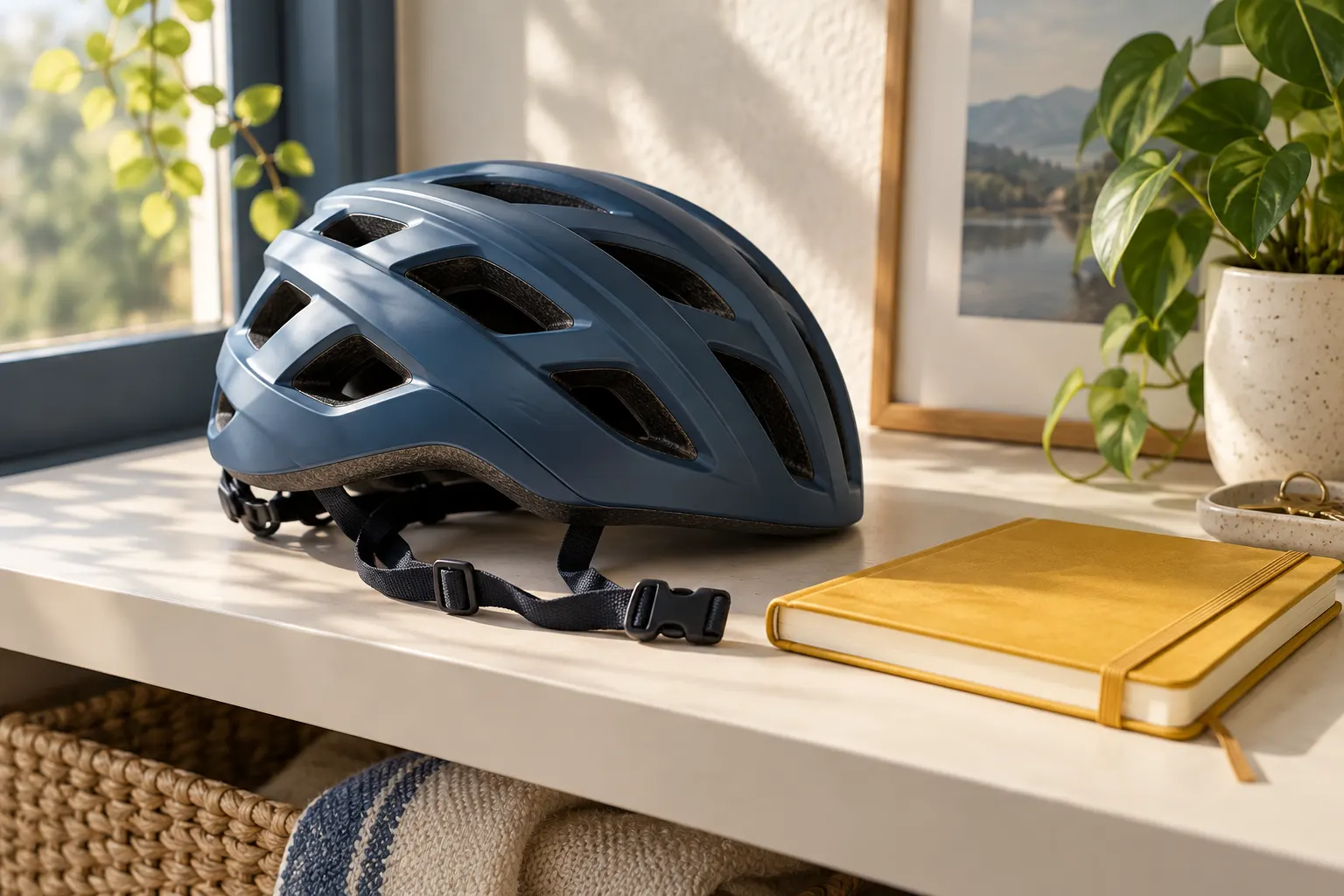
A helmet record is most useful when it describes what happened or what changed, rather than simply assigning an age to the product. Keep the model, purchase information and supplied instructions together. If there has been an impact, visible damage or a fitting concern, write that down accurately and follow the manufacturer's and relevant road-authority guidance. Do not turn the absence of a note into evidence that nothing happened, particularly with second-hand equipment whose history is incomplete. An uncertain history should remain clearly uncertain.
NSW helmet guidance ? ACCC bicycle helmet supply standard ? Bell Stratus Mips US size chart ?
Use documented condition triggers
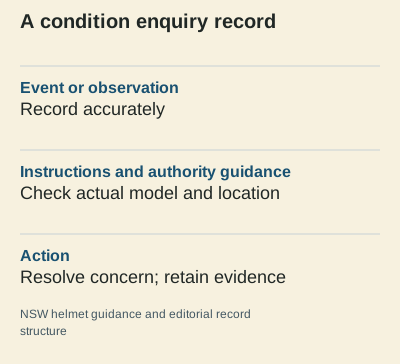
NSW's helmet guidance calls for replacement where the helmet has been damaged or involved in a crash, the foam is cracked, the straps are worn or frayed, or the helmet no longer fits properly. These are condition-related points, not a universal calendar countdown. Consult the exact manufacturer's instructions for any additional requirements and use the relevant guidance where you ride. This article does not assess a particular helmet from a photograph or promise that a visually tidy shell is safe. Qualified help is appropriate when you cannot resolve the concern from the actual item and its documentation.
Treat a fit change as its own issue
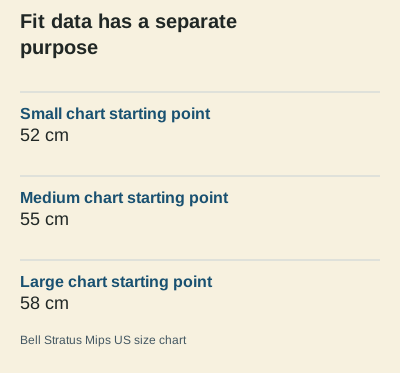
If fit is the concern, return to the correct model's instructions and chart rather than assuming the old size label remains decisive. For illustration, Bell's US Stratus Mips chart has ranges beginning at 52 cm, 55 cm and 58 cm for its small, medium and large options. These overlapping ranges show why a label is only part of the record. They are not replacement intervals, Australian approval evidence or instructions to change size. Keep the final fitting assessment separate from the reason the previous helmet is being reconsidered.
Photographs document observations, not clearance to ride
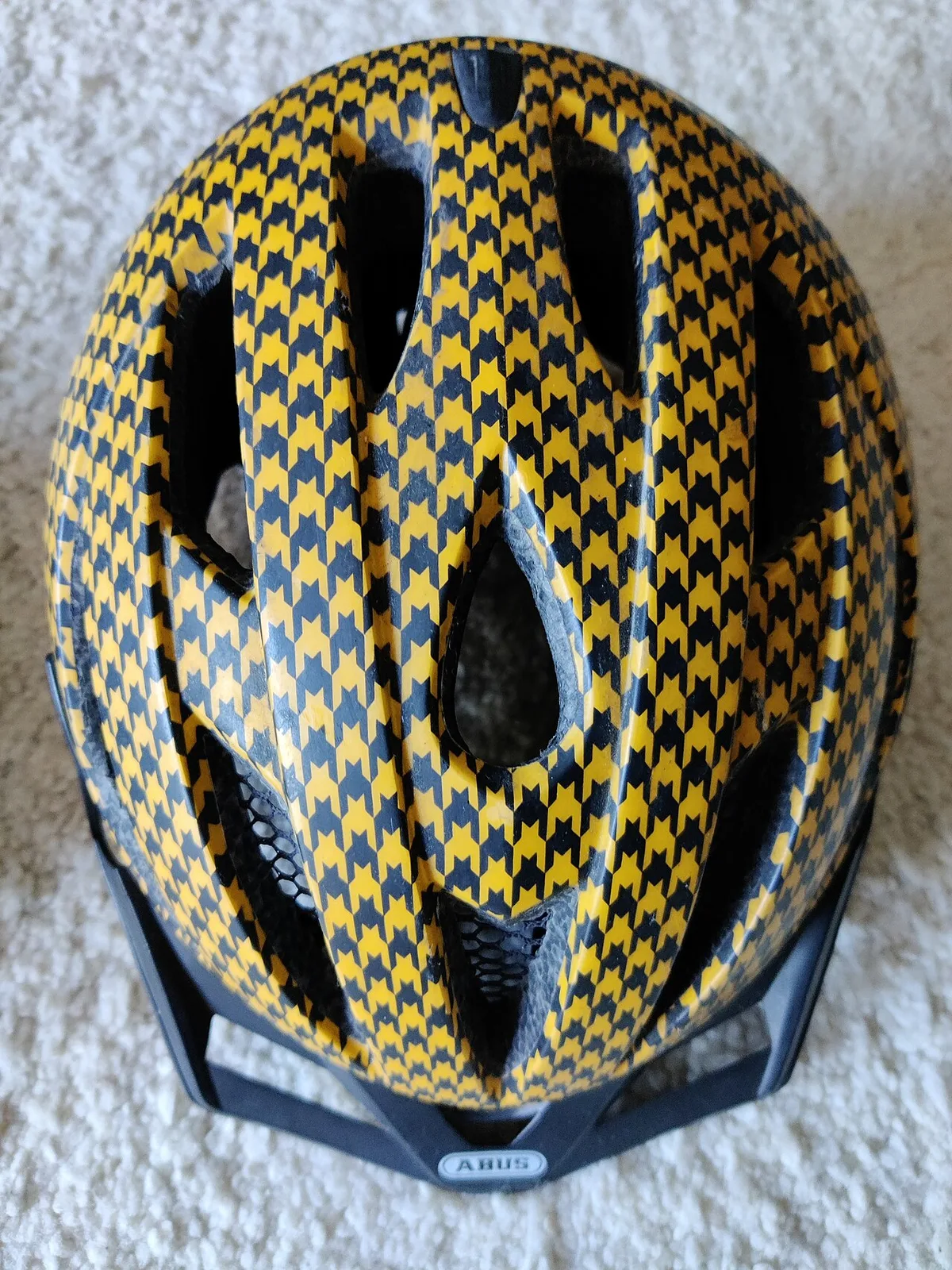
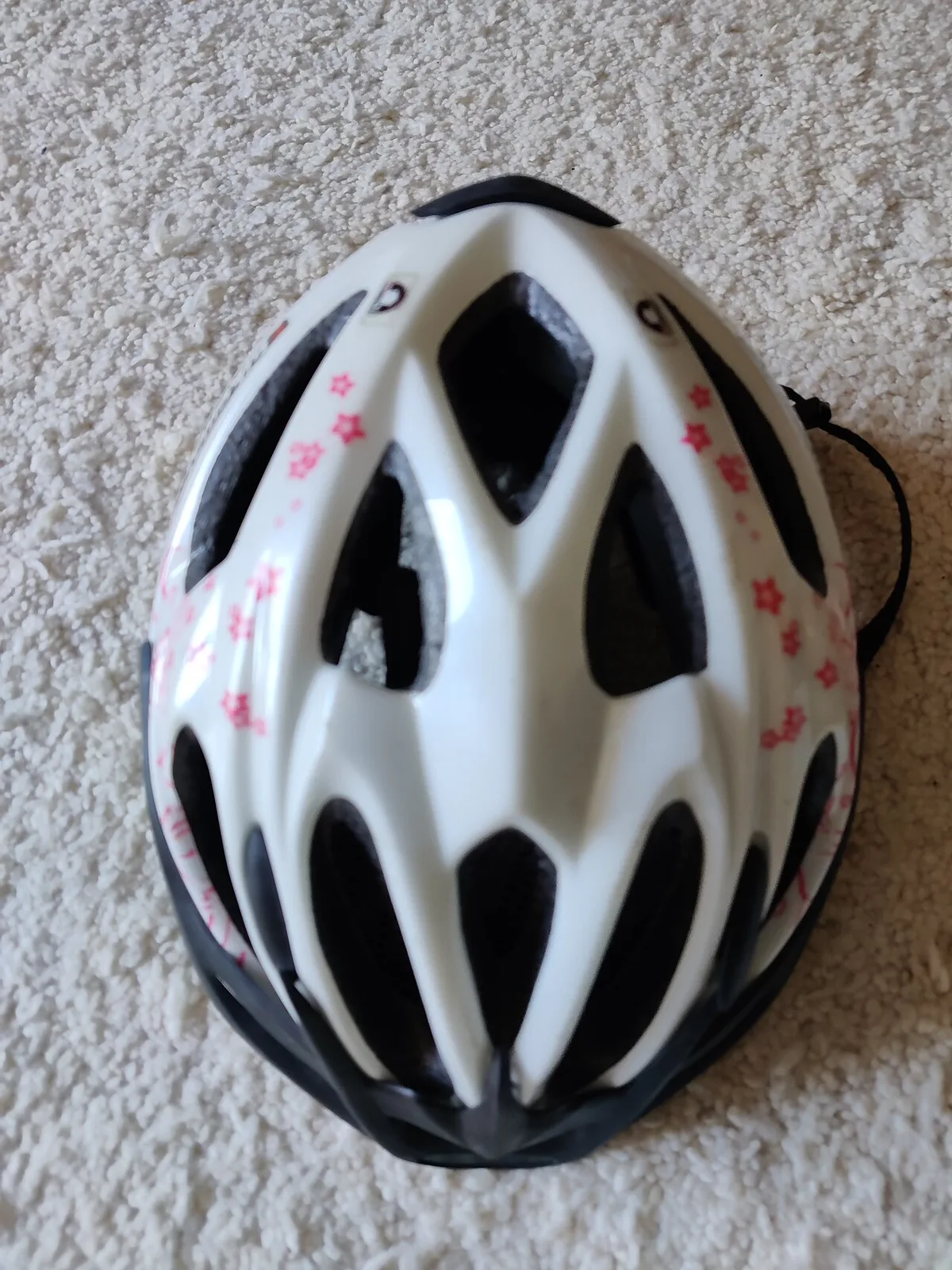
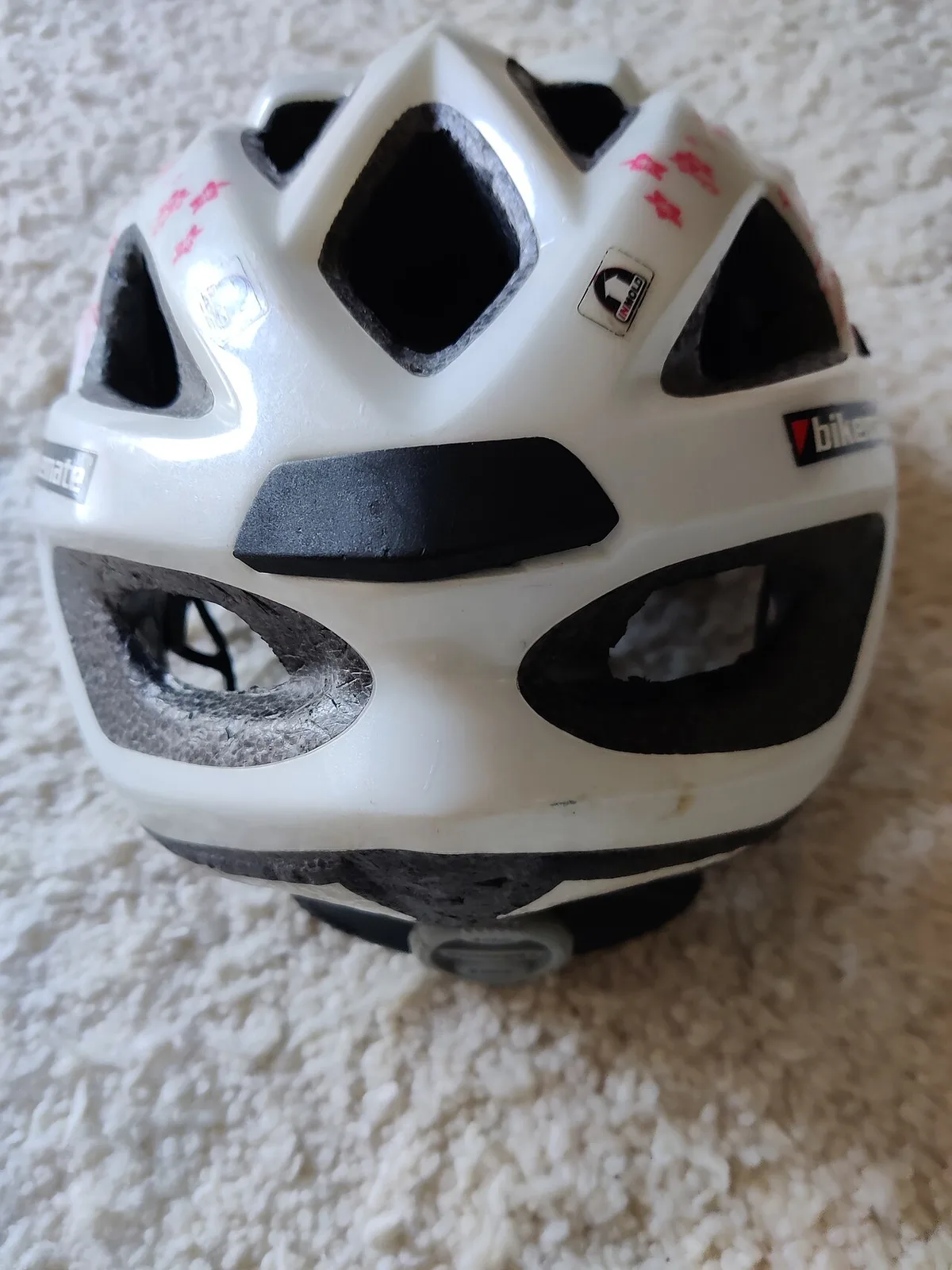
A dated photograph can help explain a concern to the manufacturer or seller, but it cannot reveal every aspect of a helmet's history or condition. Capture the relevant area and identifying label without attempting undocumented repairs or alterations. The archive photographs here show other helmets from different angles. We have not inspected them and do not present them as examples of acceptable condition. Keep any response from the manufacturer attached to the actual photographs and model details you supplied, so it is not later mistaken for a general endorsement of similar equipment.
Keep the next decision traceable
When replacing or seeking advice about a helmet, retain the reason, the instructions consulted and the exact new model under consideration. Ask the seller about the correct local version and intended use before ordering. Do not reuse a previous product's chart, approval statement or care instructions without checking whether they apply. A clear record can make the conversation shorter and prevent the same uncertainty from resurfacing, but it cannot certify protection. If the documentation says to replace the helmet, an attractive appearance or a convenient purchase date does not override that instruction. Resolve outstanding safety concerns before relying on the equipment.
Open official model documentation ? Open official model documentation ? Open official model documentation ?