Frames & fit
Read the tyre diameter before ordering a replacement
Decode ETRTO and traditional tyre labels before you compare replacement options for an Australian bicycle.
Read the guideDecode ETRTO and traditional tyre labels before you compare replacement options for an Australian bicycle.
Read the guide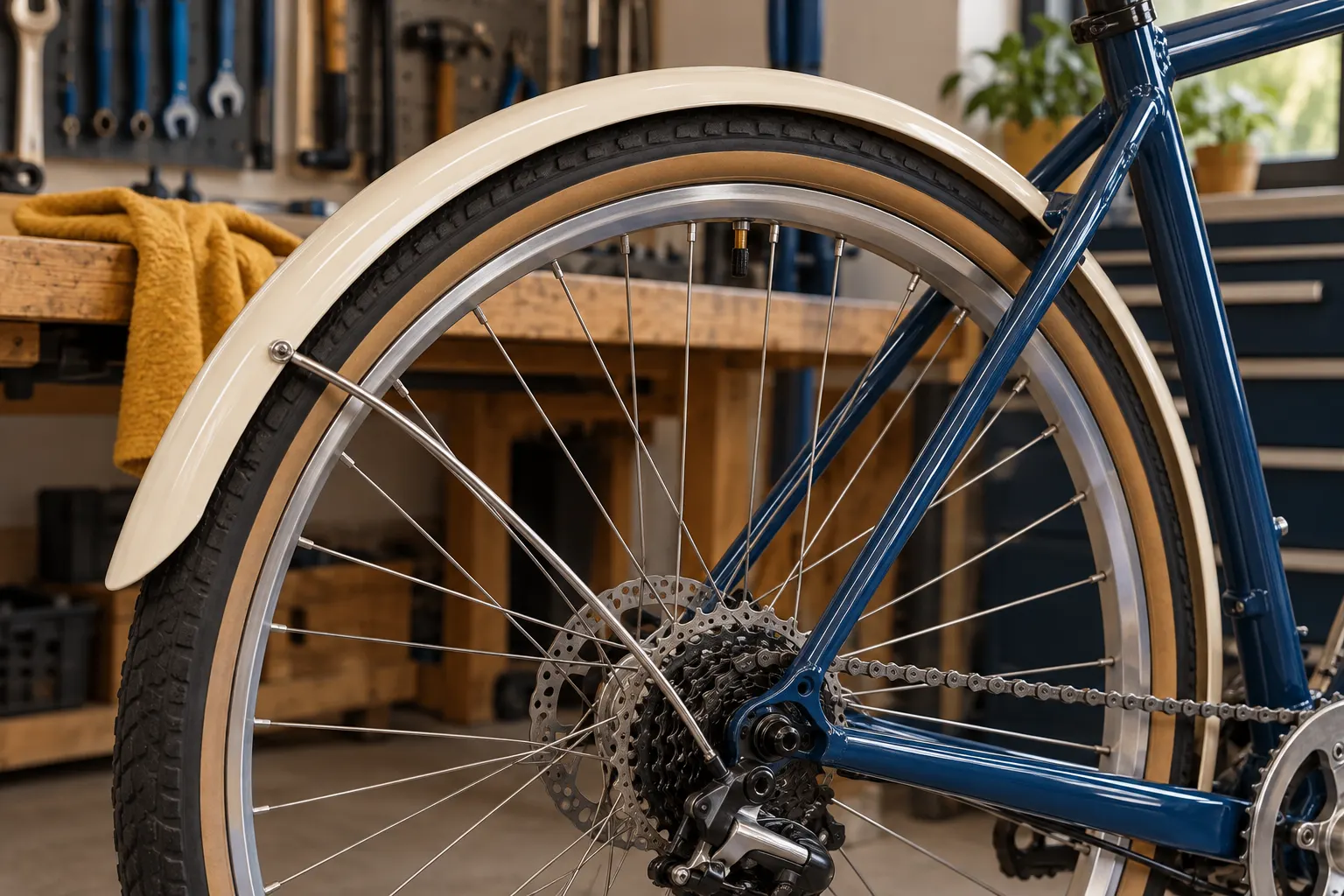
Build a useful clearance question from actual tyre, rim and bicycle details rather than a nominal width alone.
Read the guide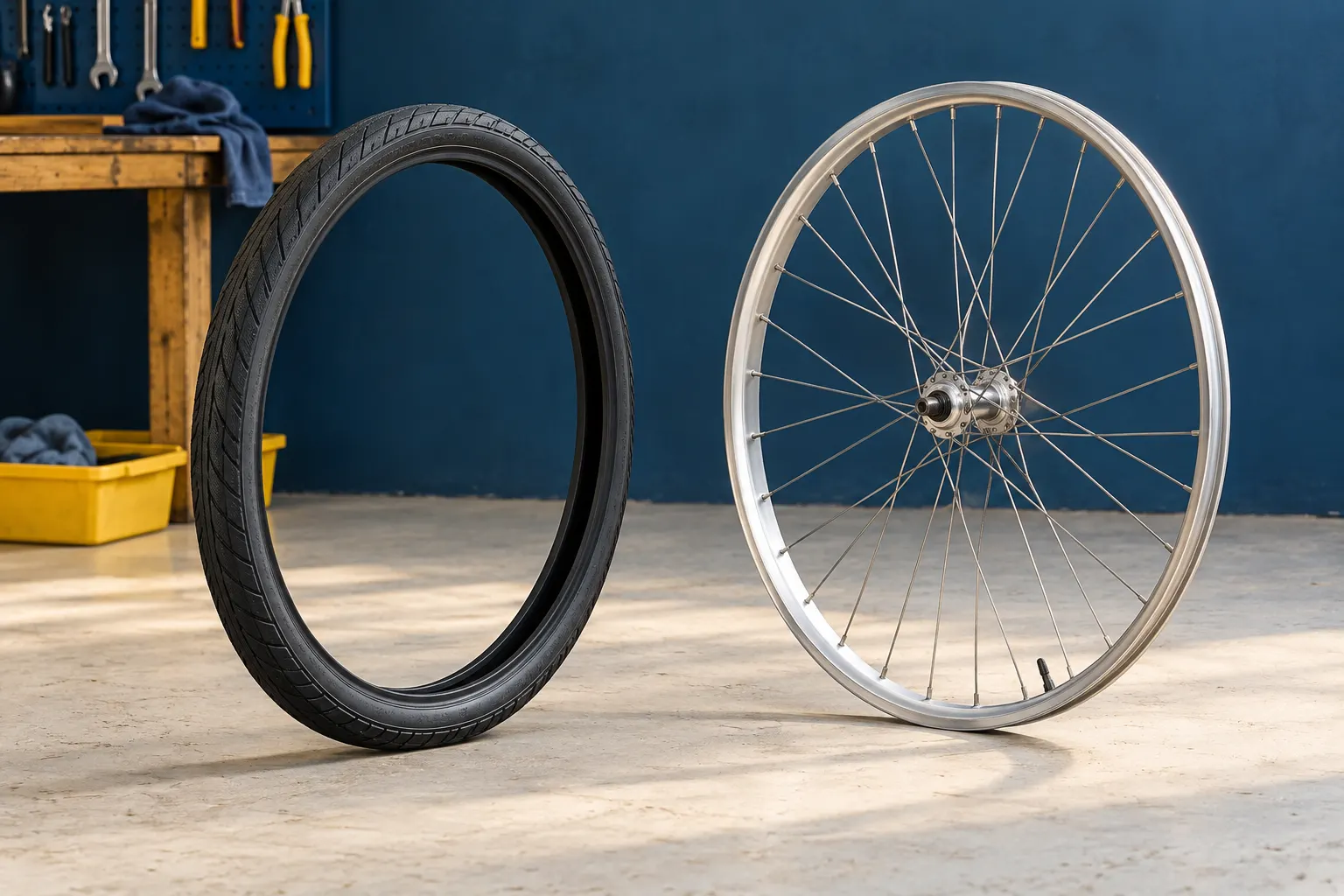
Check diameter, width and rim construction as separate compatibility questions before ordering a bicycle tyre.
Read the guide
Create a reusable bicycle measurement file that separates product labels, measured dimensions and fit questions.
Read the guide
Keep Australian helmet supply information, local road-use requirements and individual fit as separate purchase checks.
Read the guide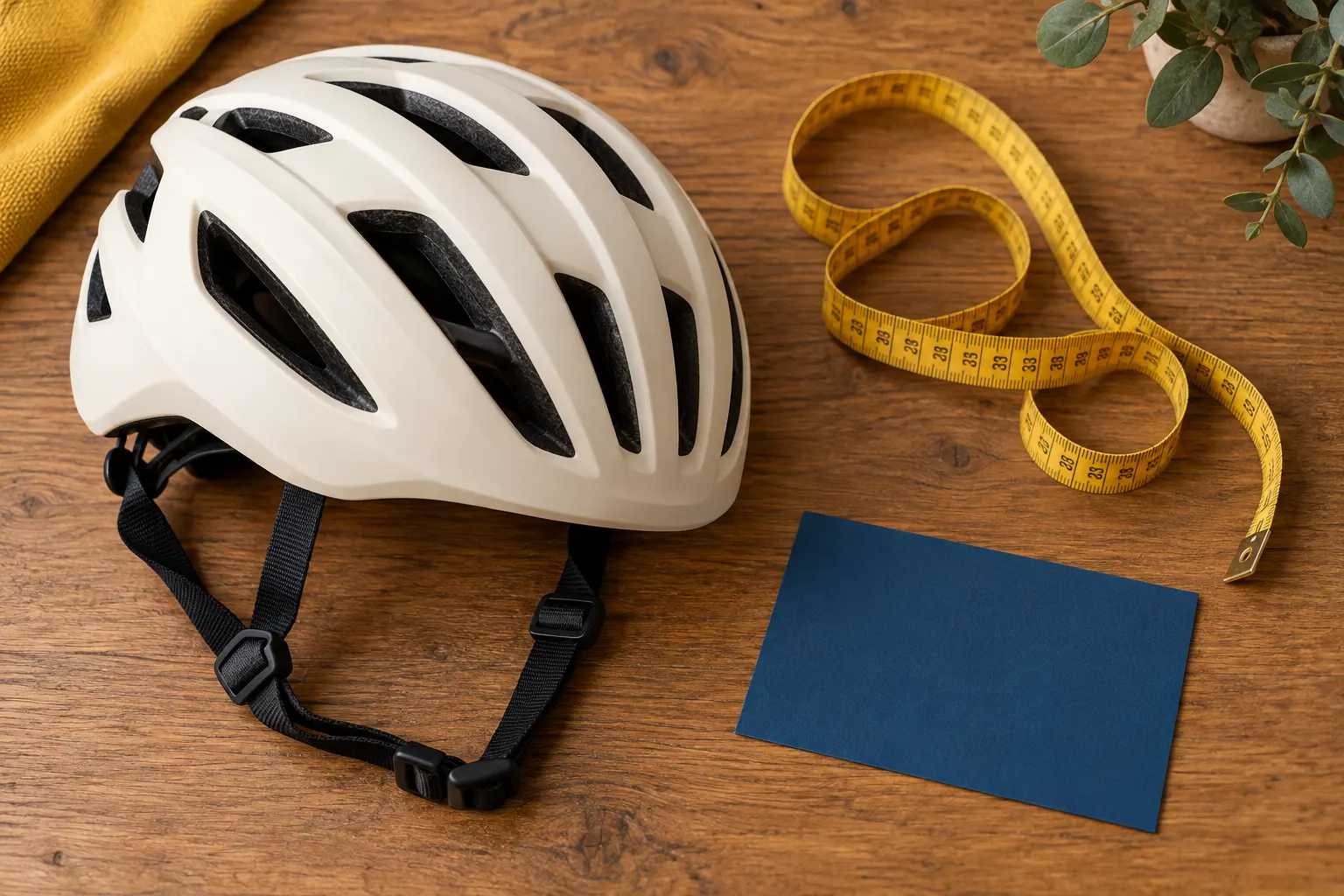
Keep the exact helmet chart, measured head circumference and fitting instructions together without treating a size label as a fit guarantee.
Read the guide
Keep model instructions and condition concerns in a helmet record without inventing a universal replacement deadline.
Read the guide
Compare steady and flashing bike-light runtime figures without mixing modes or treating manufacturer ceilings as tested endurance.
Read the guide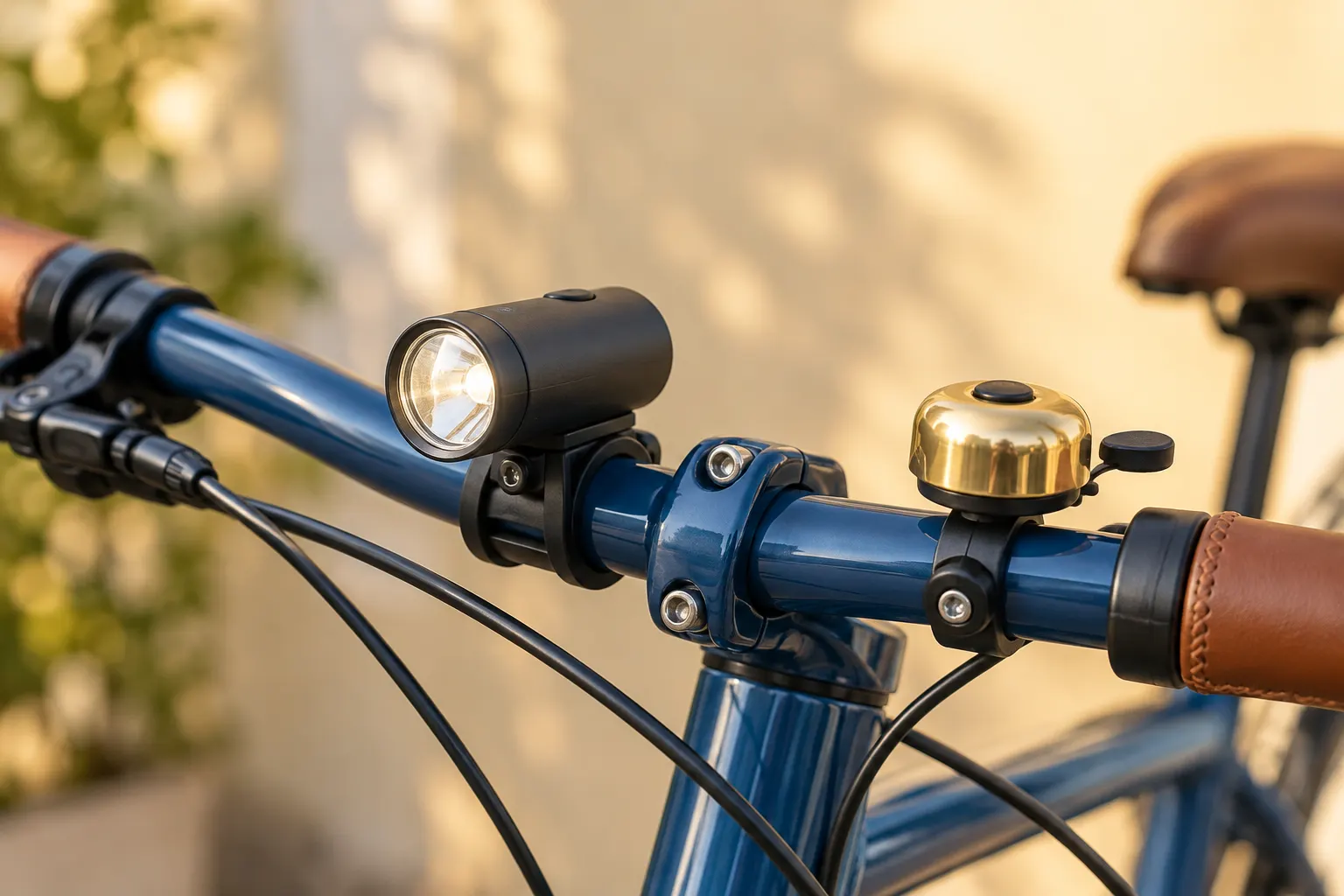
Check a bicycle light's dimensions, supplied bracket and the actual handlebar setup before assuming everything will fit.
Read the guide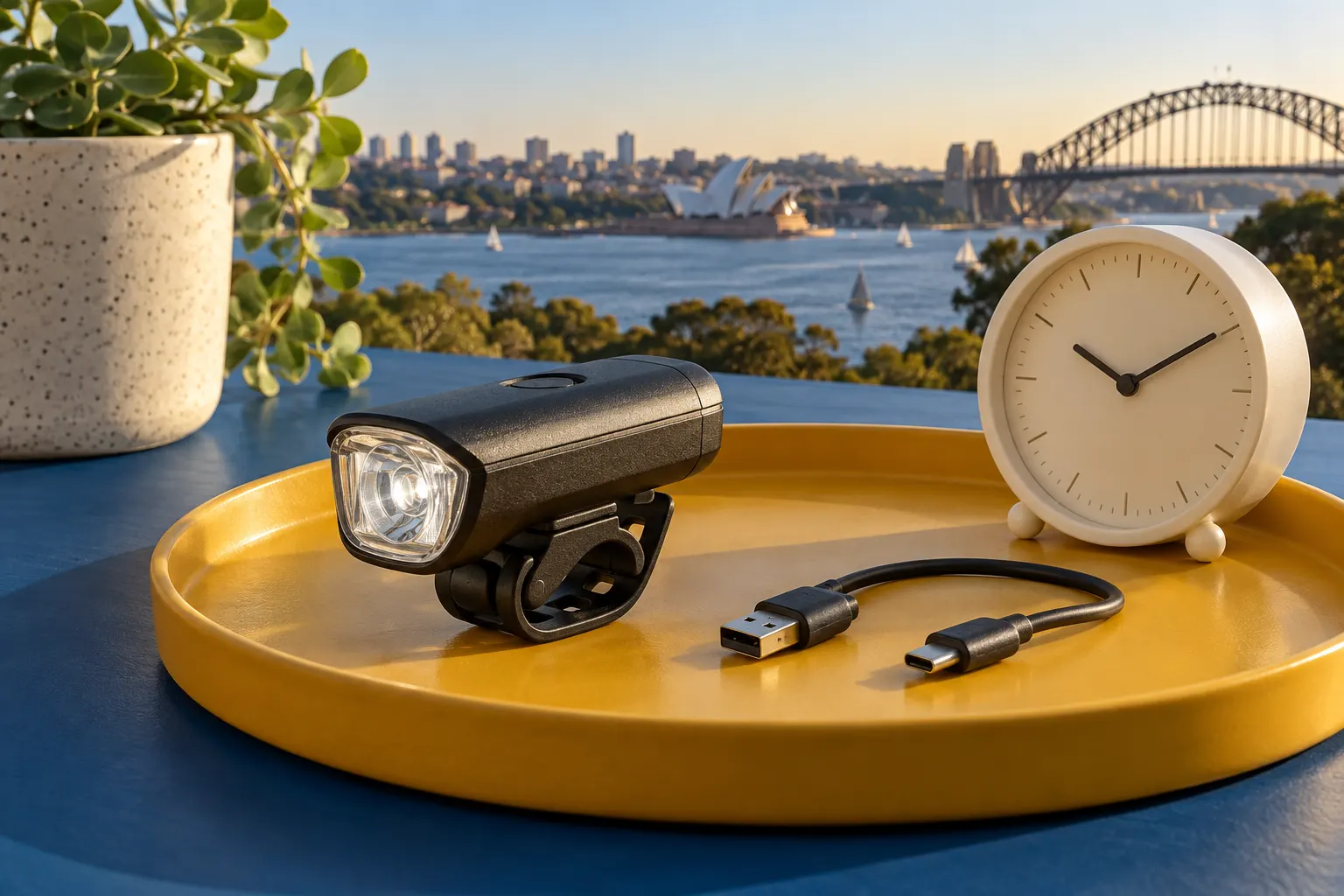
Separate a bicycle light's charge-time specification from runtime claims and your own observed charging record.
Read the guide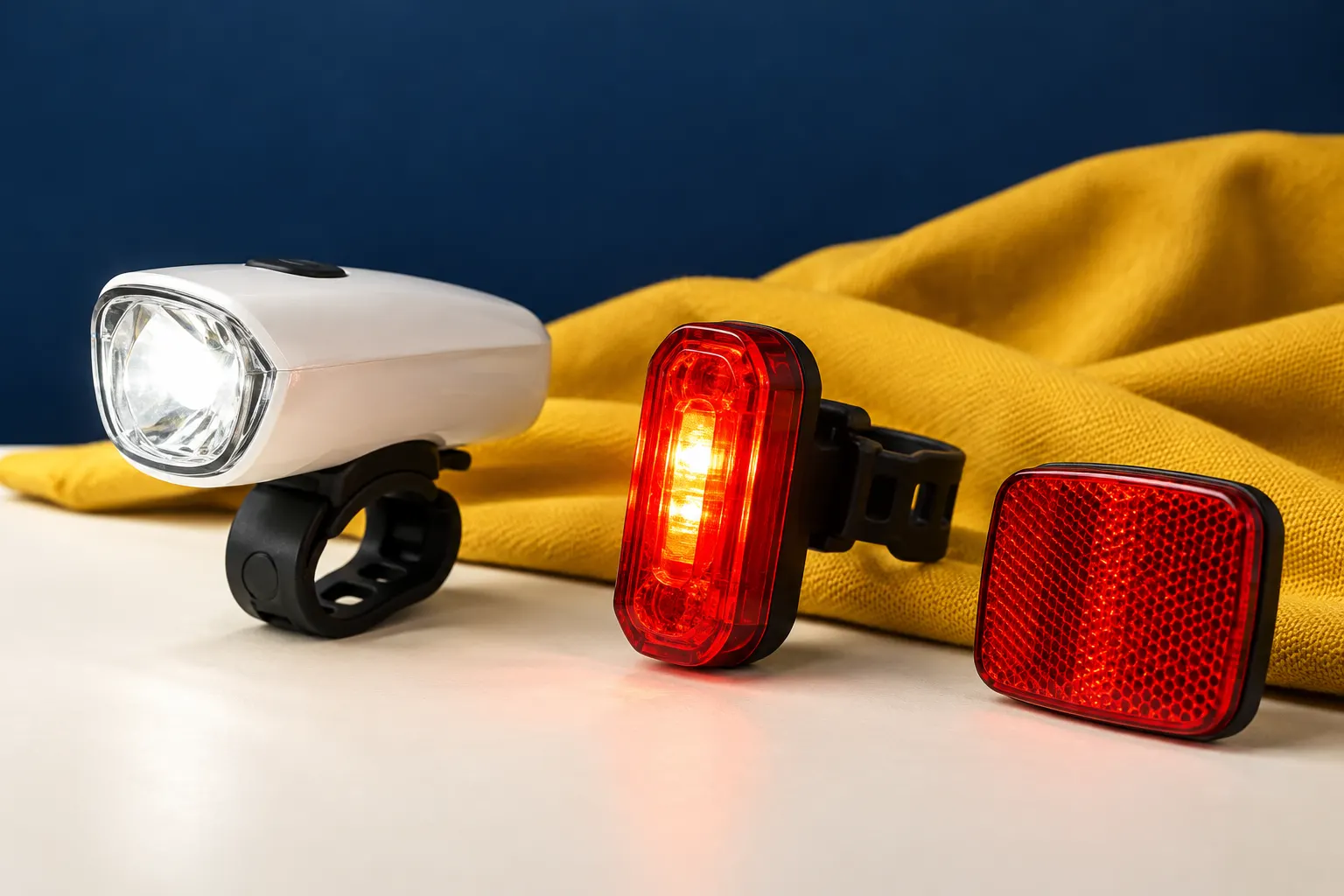
Use NSW's official night-riding equipment requirements to frame questions without equating a lumen rating with legal visibility.
Read the guide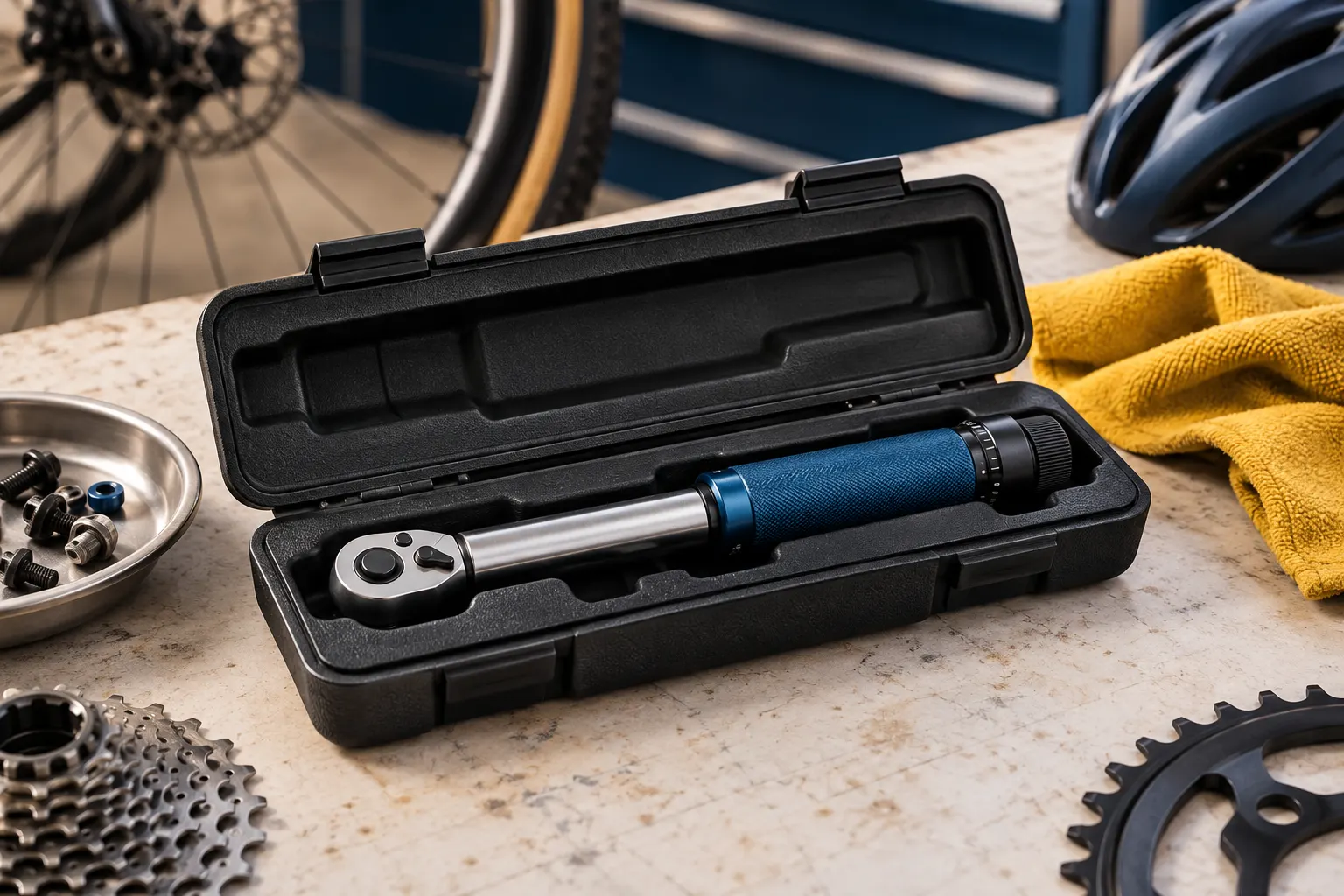
Compare a torque wrench's documented range with the exact component requirement before selecting a tool.
Read the guide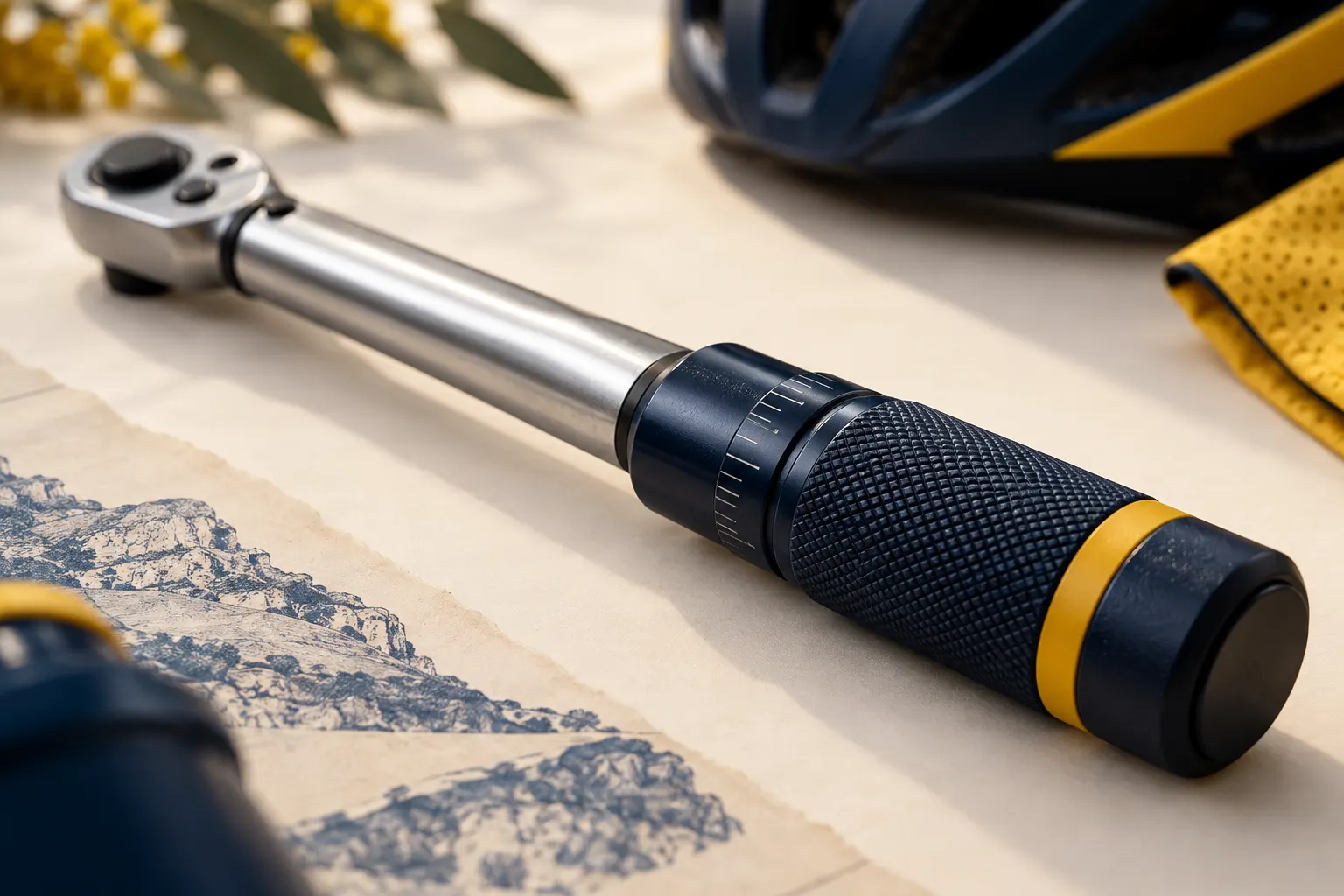
Distinguish a torque wrench's range, adjustment increment and accuracy claim without rounding a component requirement to suit the tool.
Read the guide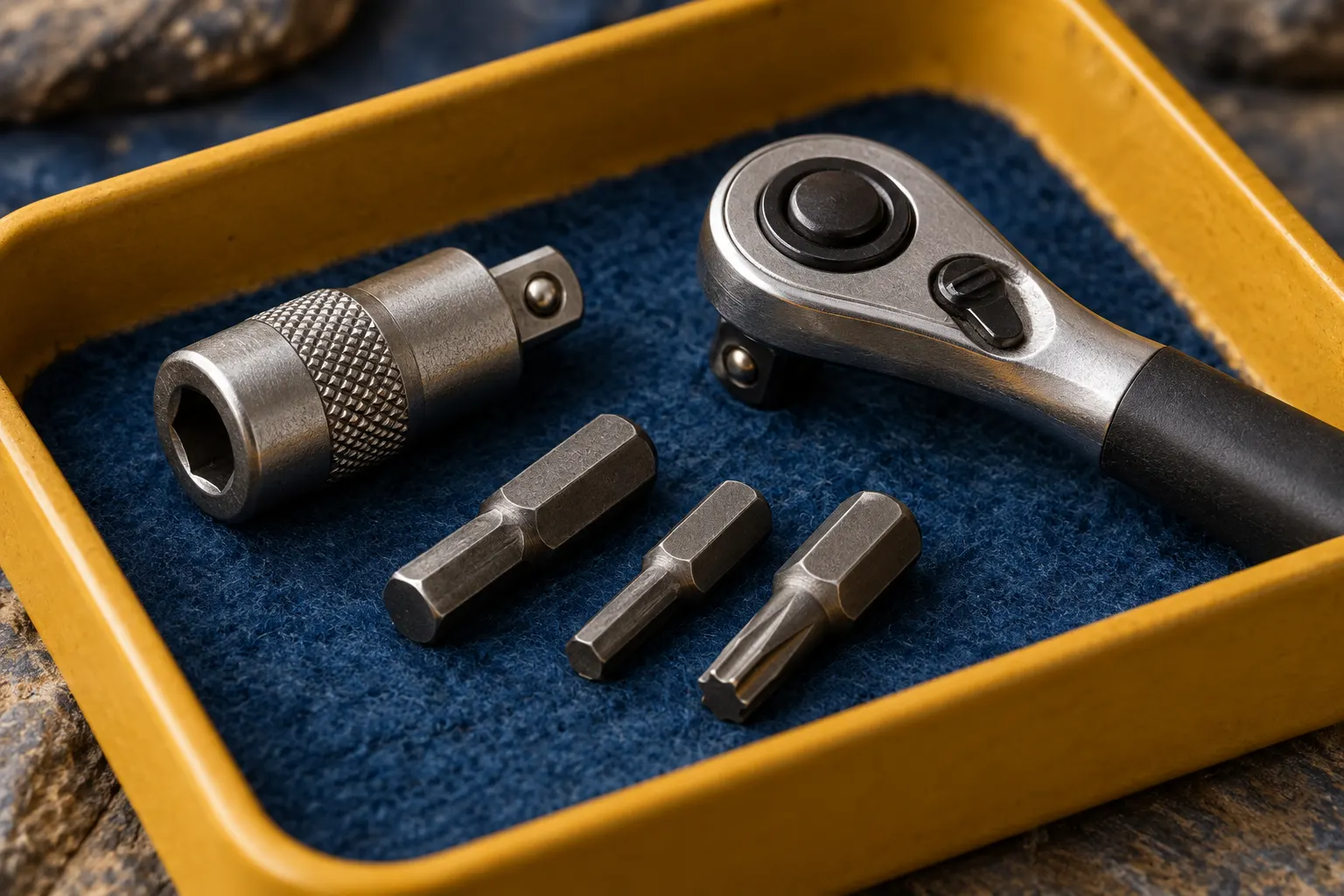
Check the wrench drive, the fastener interface and physical access as separate questions before ordering workshop accessories.
Read the guide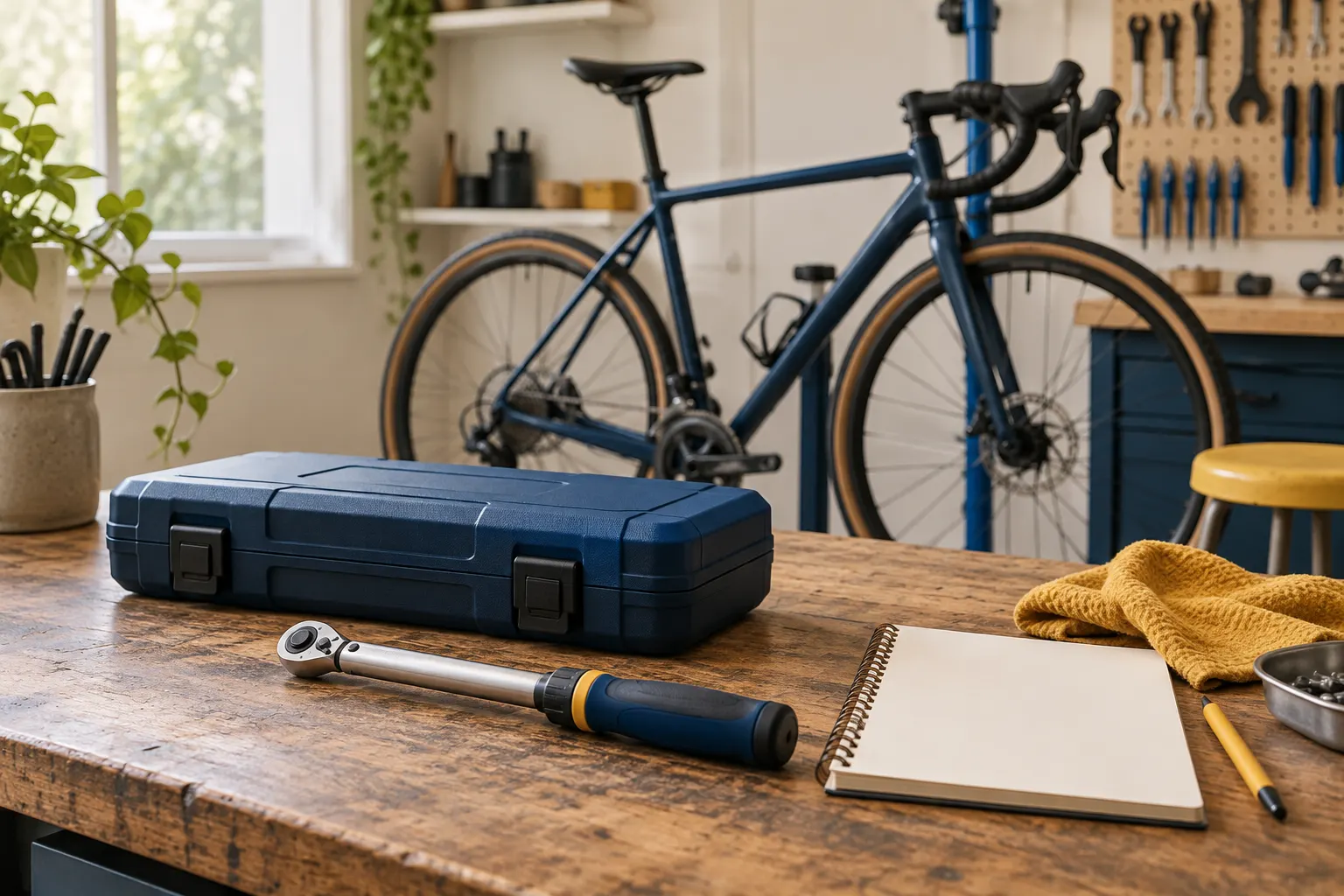
Keep the measuring tool's instructions, history and service record separate from the bicycle work performed with it.
Read the guide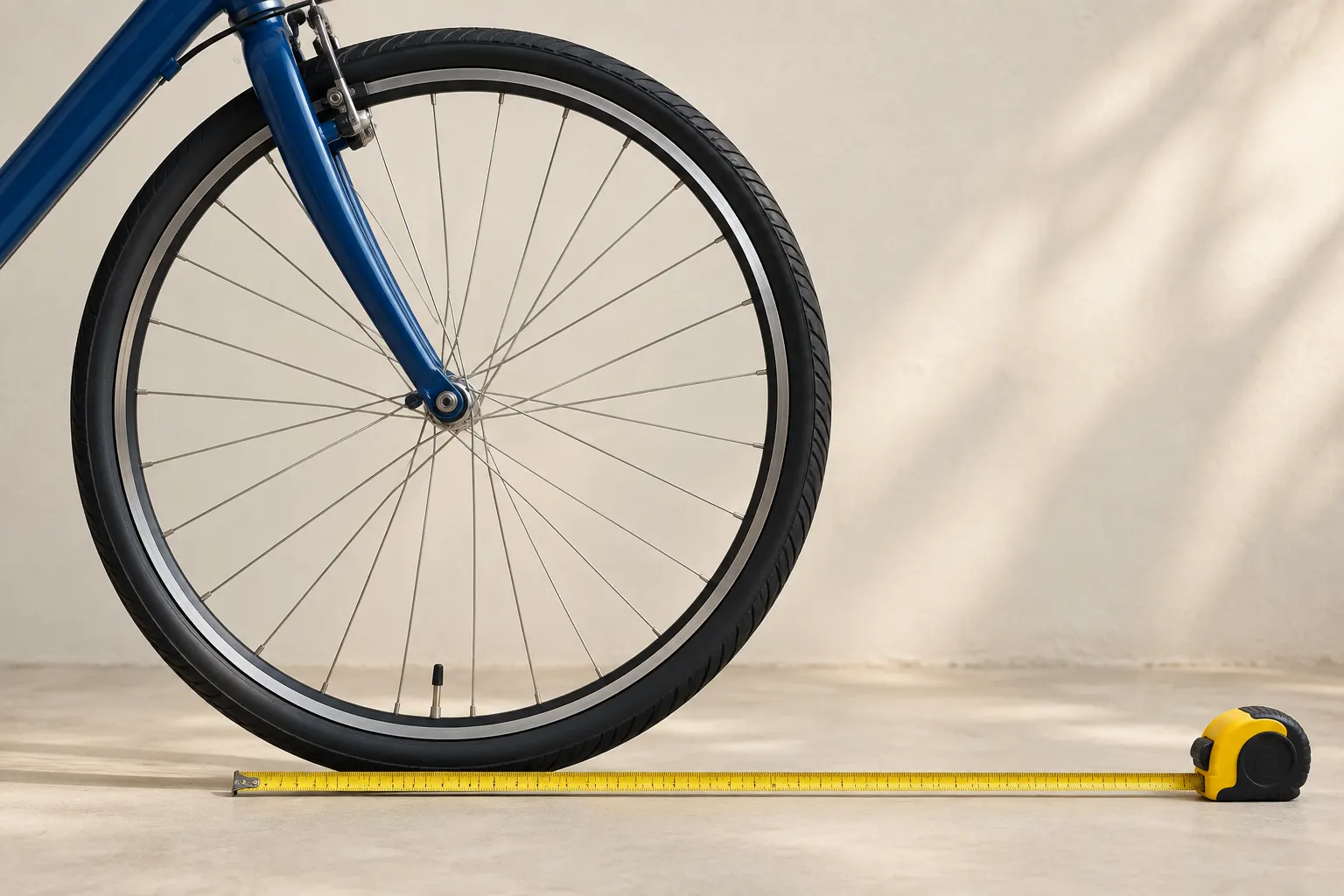
Keep a measured wheel circumference record for a bicycle computer without treating a nominal tyre label as an exact distance.
Read the guide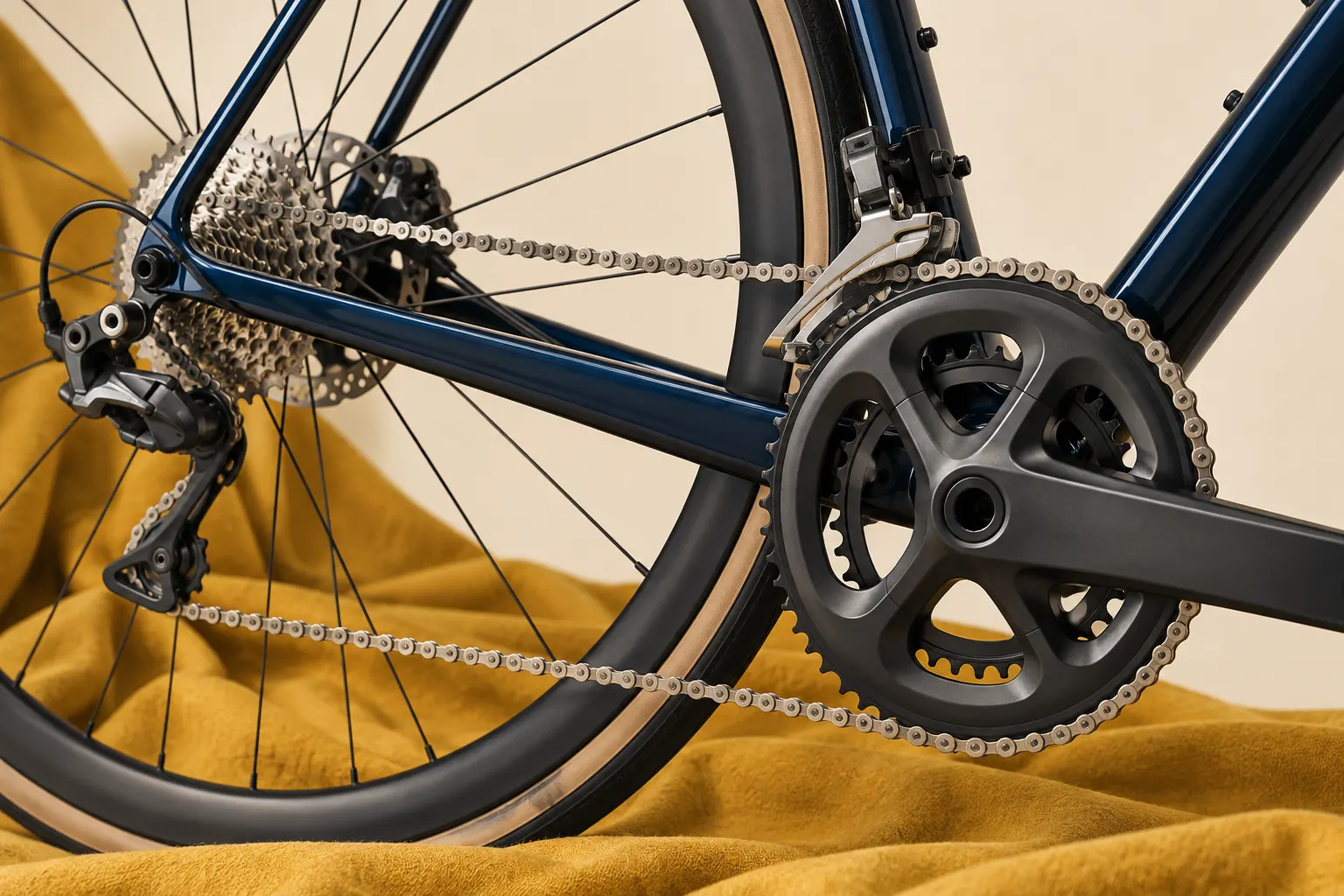
Calculate theoretical metres per crank turn from actual tooth counts and a measured wheel circumference, without prescribing riding effort.
Read the guide
Build a bicycle distance record that distinguishes device readings, missing information and component changes without inventing maintenance thresholds.
Read the guide
Compare bicycle quotes with the same included equipment, assembly and delivery scope, using clearly identified AUD amounts.
Read the guide
Connect bicycle and accessory identities with seller records, instructions and source dates in a practical purchase file.
Read the guide