Read the tyre diameter before ordering a replacement
Decode ETRTO and traditional tyre labels before you compare replacement options for an Australian bicycle.
Updated:
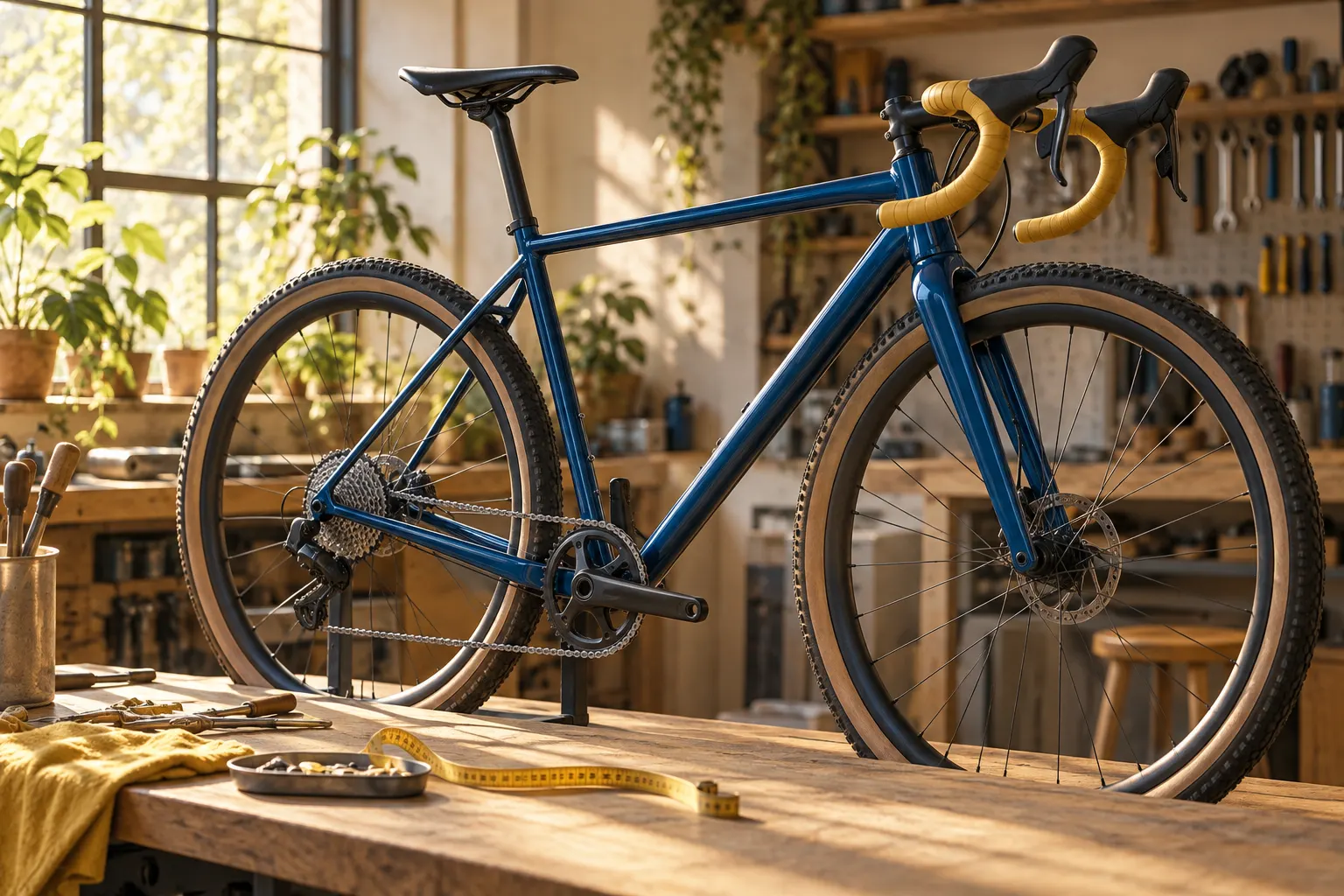
Start with the markings on your own wheel
Before ordering a replacement bicycle tyre, photograph the complete markings on the fitted tyre and record the wheel or rim model. Copy the characters exactly, including the hyphen and any letters. A shop filter labelled city, touring or mountain bike is useful for browsing, but it does not identify the diameter your wheel requires. Keep the photograph beside your shopping note so an abbreviated listing cannot quietly replace the information you started with. If the existing combination is undocumented or questionable, ask the wheel manufacturer or a qualified bicycle mechanic to identify it before treating it as a reliable reference.
Schwalbe size designation ? Schwalbe dimensions and wheel measurement ?
Separate width from inner diameter
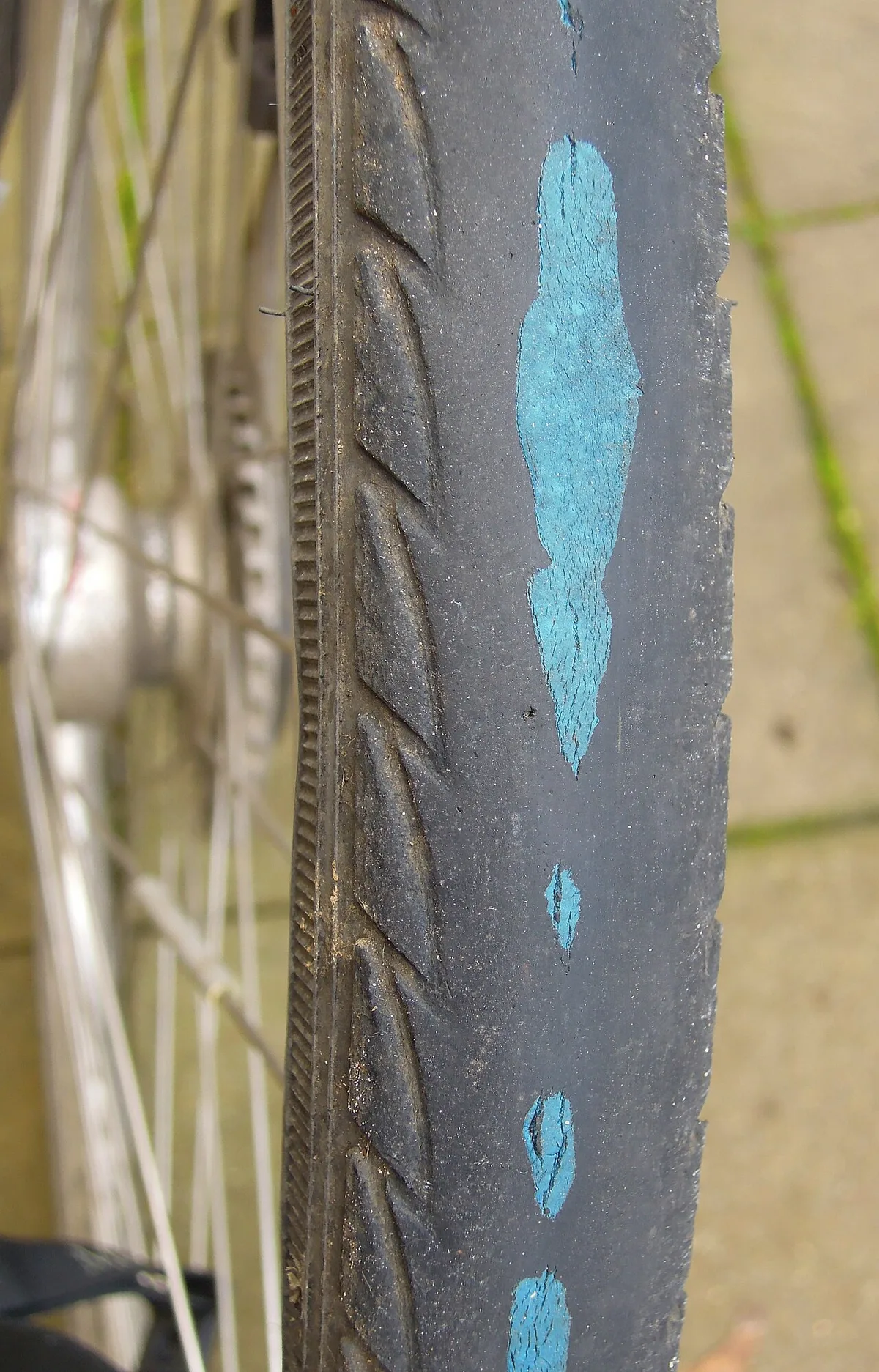
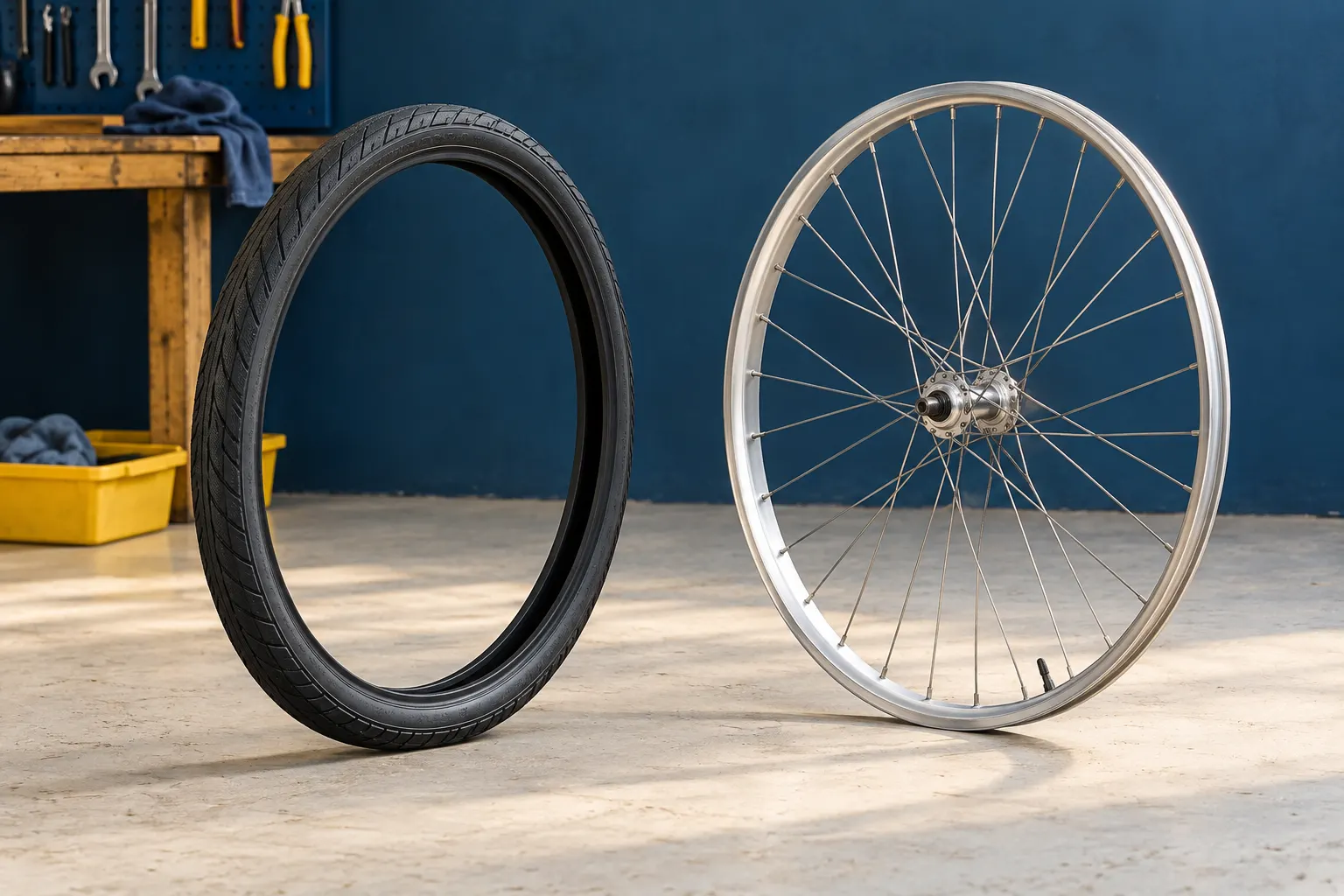
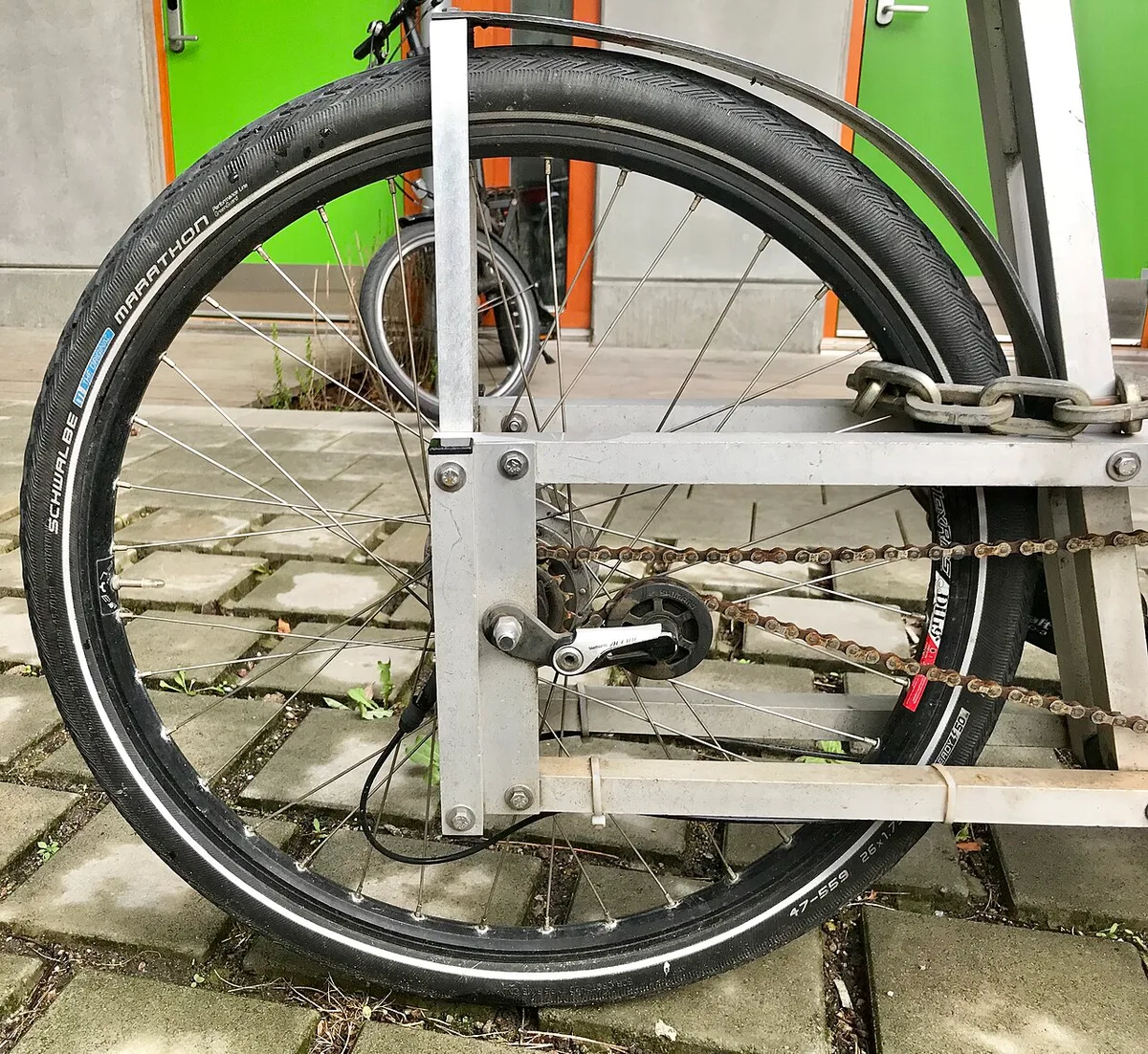
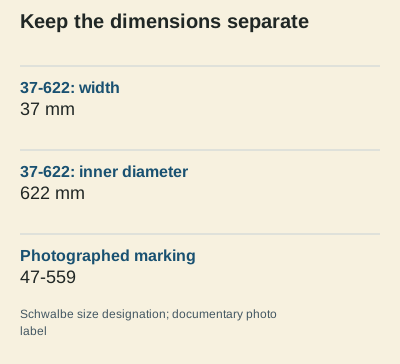
Schwalbe explains the ETRTO example 37-622 as a nominal width of 37 mm and an inner tyre diameter of 622 mm. Those numbers describe different dimensions. The width belongs in one column of your comparison, and the diameter belongs in another. Do not turn the pair into a single approximate wheel size. The documentary photograph shows a different marked tyre, 47-559, which is useful for recognising the format rather than selecting the example in this guide. Its visible label is evidence of that photographed item, not proof that it matches your own bicycle.
Treat the inch name as a clue
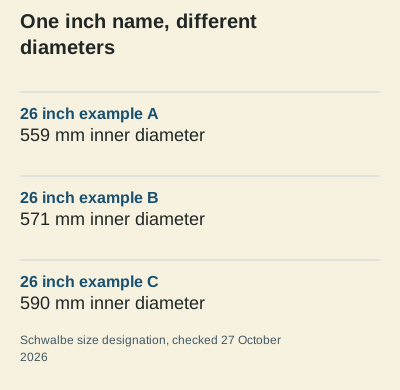
Traditional names can conceal a meaningful difference. Schwalbe lists 559 mm, 571 mm and 590 mm inner diameters among tyres described as 26 inch. A matching inch name therefore cannot resolve the purchase. When a retailer gives only that name, request the full ETRTO designation and the exact product variant. Save the response with the listing rather than remembering a verbal assurance. The table below deliberately compares the diameter values without ranking them. None is better in isolation; the relevant question is which documented assembly each belongs to.
Check the rest of the assembly
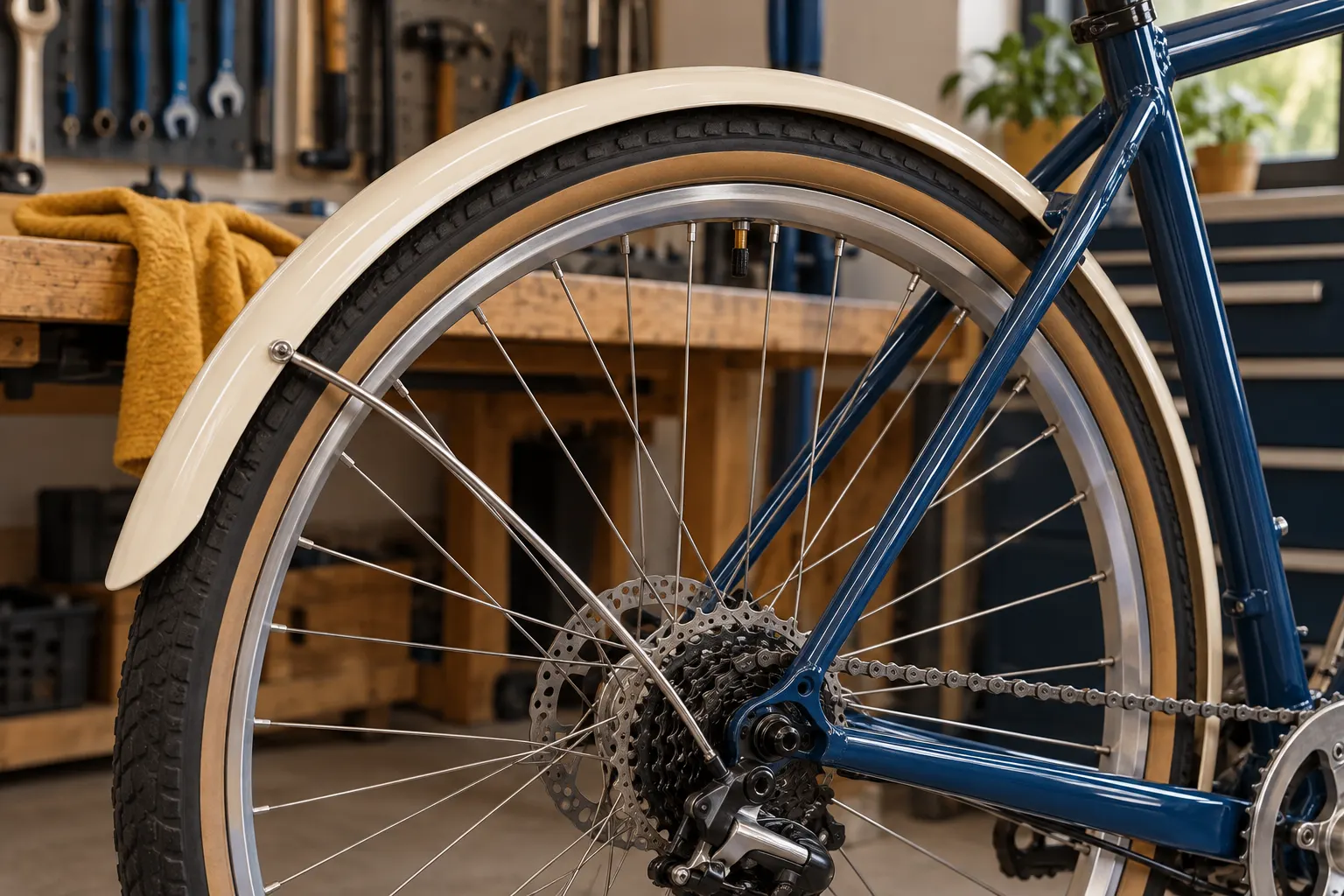
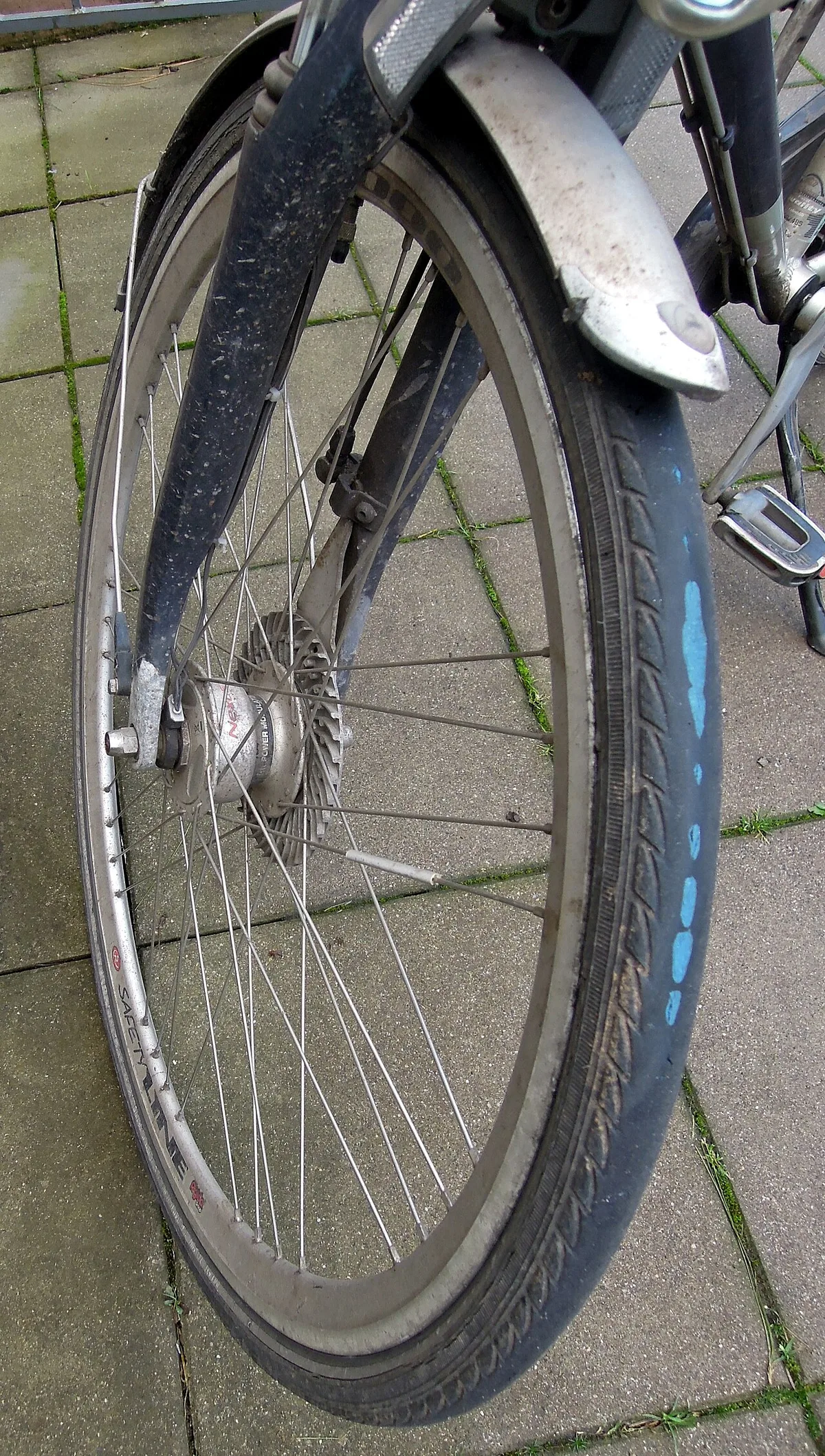
A diameter match is only the beginning. Consult the tyre and rim manufacturers about permitted widths, construction and pressure limits, and check the bicycle documentation for clearance requirements. Do not infer permission from a photograph that looks spacious. Mudguards, frame details and the actual mounted tyre all belong in the conversation. The accompanying worn-tyre photographs show why appearance and identity are separate records: they document used equipment and are not examples of an approved condition or a recommendation to continue riding. We have not inspected or tested any of these pictured bicycles.
Turn the answer into an order record
Create a short note with the old tyre markings, exact rim model, proposed replacement designation and the source used to confirm the combination. Add the seller name and the date of the response. If any field remains unknown, leave it marked unknown instead of filling it from a similar bicycle on a forum. Ask the seller to put the precise variant on the quote, then compare the delivered AUD total and included items. This sequence gives you a traceable purchasing decision. It does not certify installation or roadworthiness; follow the actual equipment instructions and use qualified help where identification or fitting is uncertain.
Open official model documentation ? Open official model documentation ?