Check helmet supply information and road-use rules separately
Keep Australian helmet supply information, local road-use requirements and individual fit as separate purchase checks.
Updated:
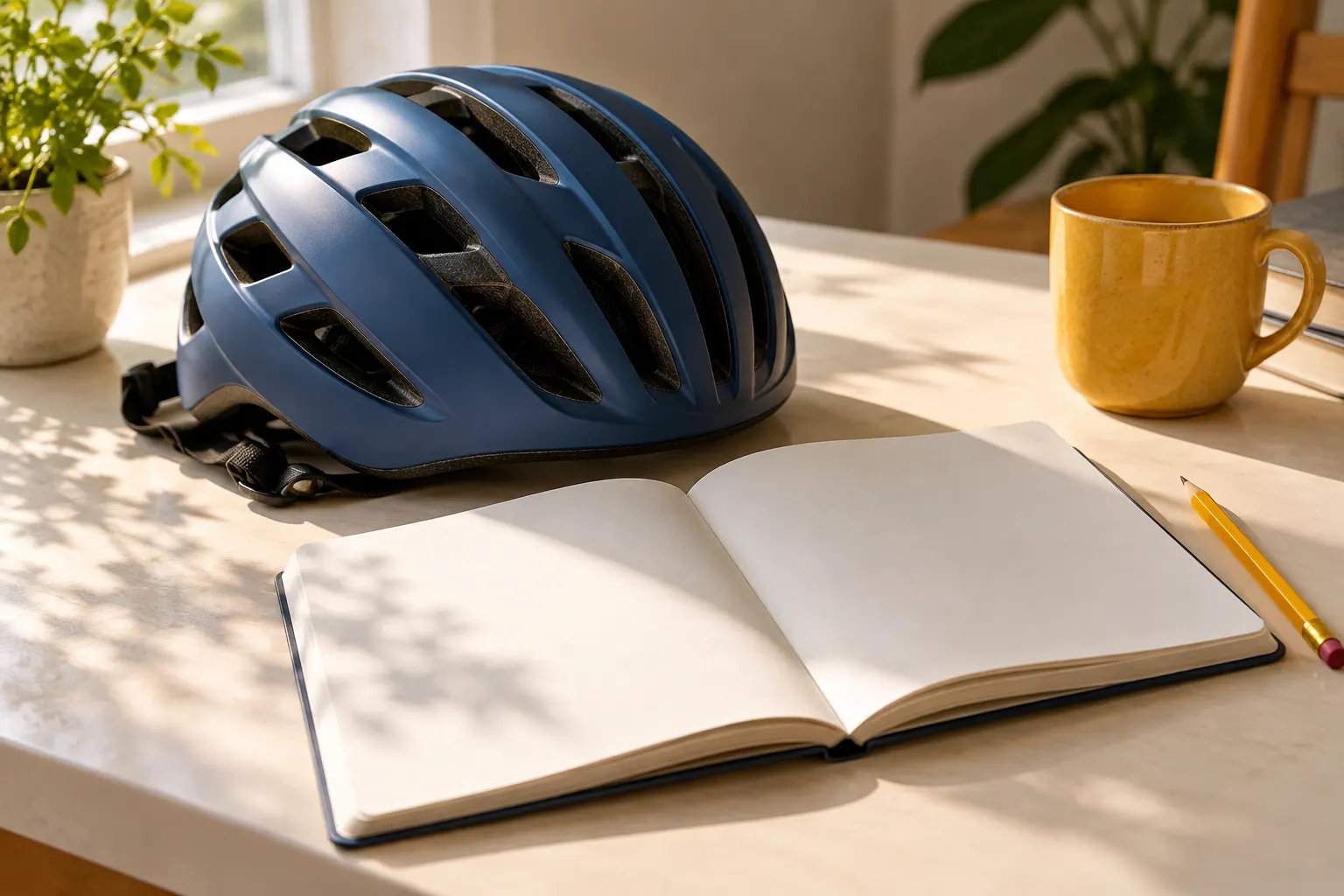
Start with where and how you will ride
When buying a bicycle helmet, tell the seller the intended use and the state or territory where you plan to ride. Keep that statement in the written enquiry. A product description that says certified without identifying the standard, market and exact variant leaves a question unanswered. Do not try to resolve that question from a familiar brand logo or a photograph of a similar helmet. The useful purchase record connects the actual item being supplied to the applicable documentation and intended use.
ACCC bicycle helmet supply standard ? NSW bicycle equipment rules ? Bell Stratus Mips US size chart ?
Separate the two legal scopes
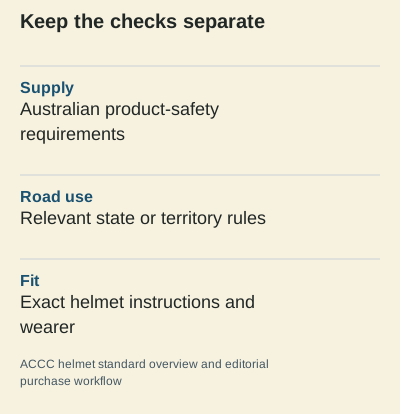
The ACCC explains that the national bicycle-helmet mandatory standard concerns supply into the Australian market, while state and territory road-use laws determine the helmet types allowed on public roads. These are distinct checks. The national overview is also not a complete compliance manual for suppliers. Follow its links to the current requirements and consult the road authority for the place you will ride. This article does not certify any product, interpret every jurisdiction or turn a general standard reference into permission for a particular use.
A size chart answers another question
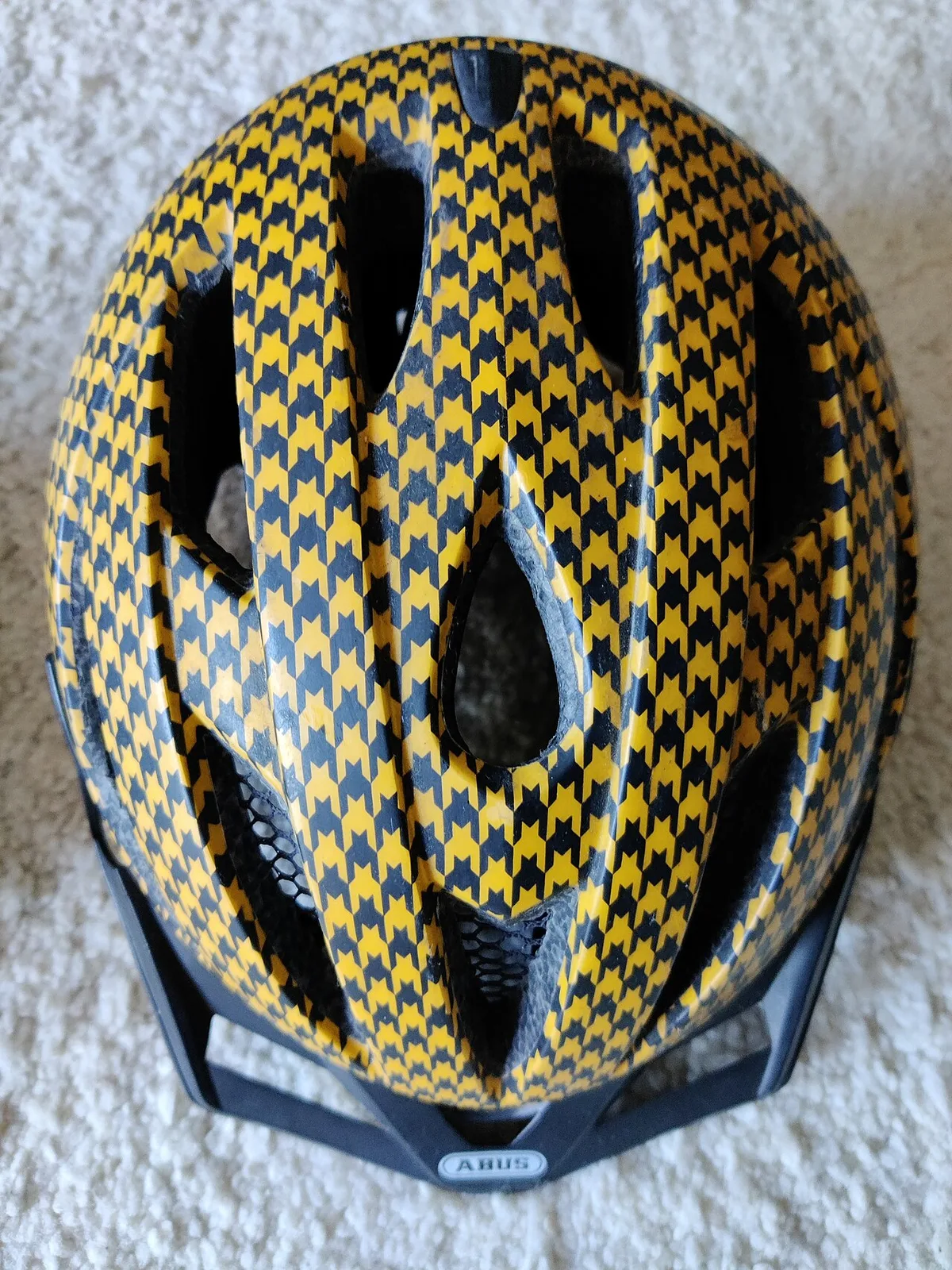
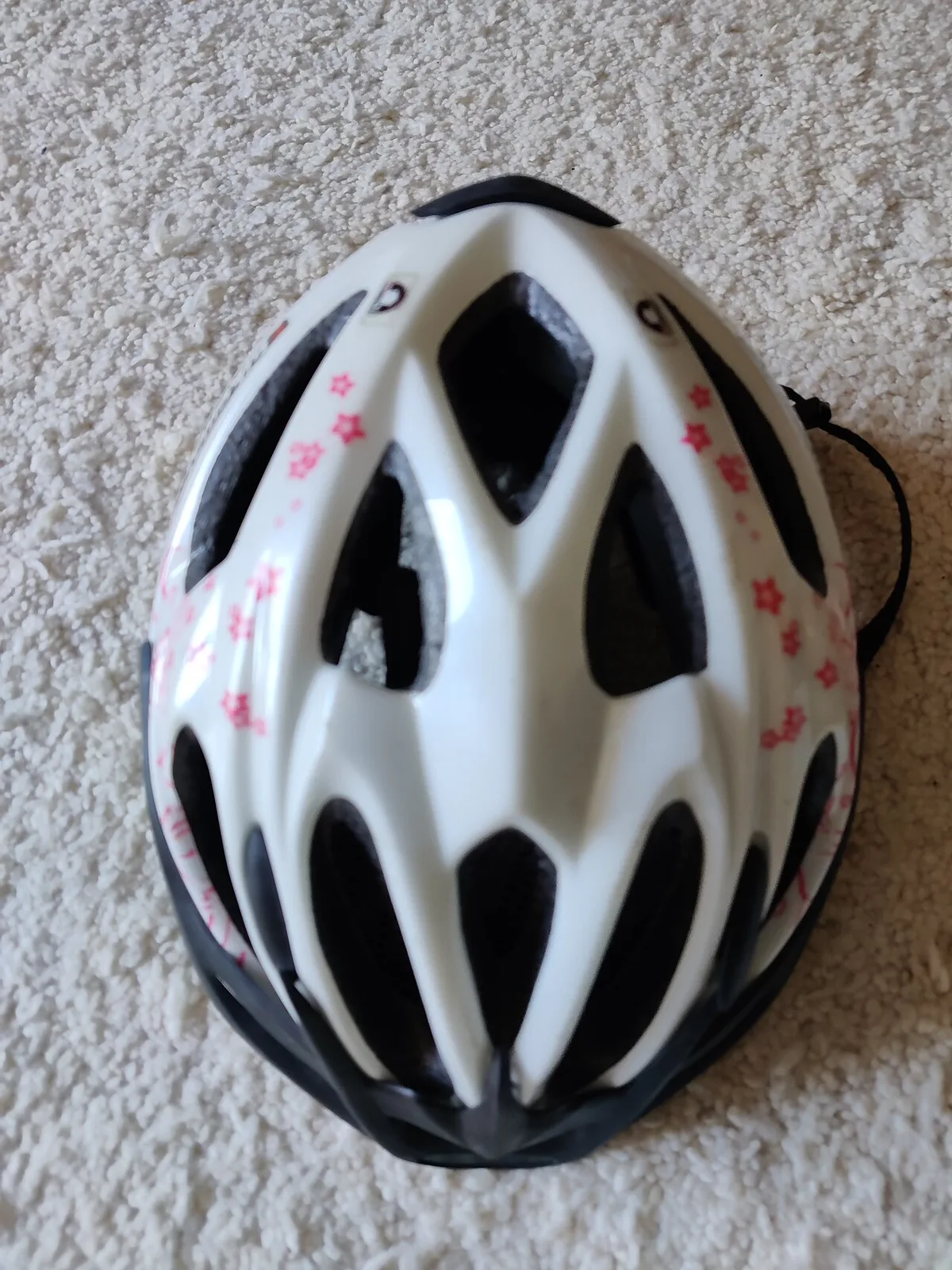
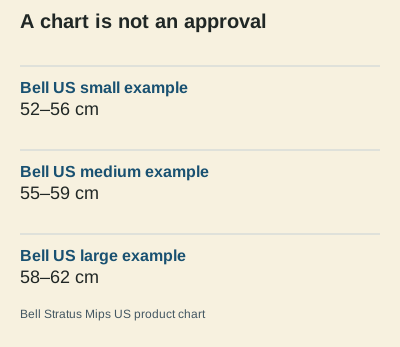
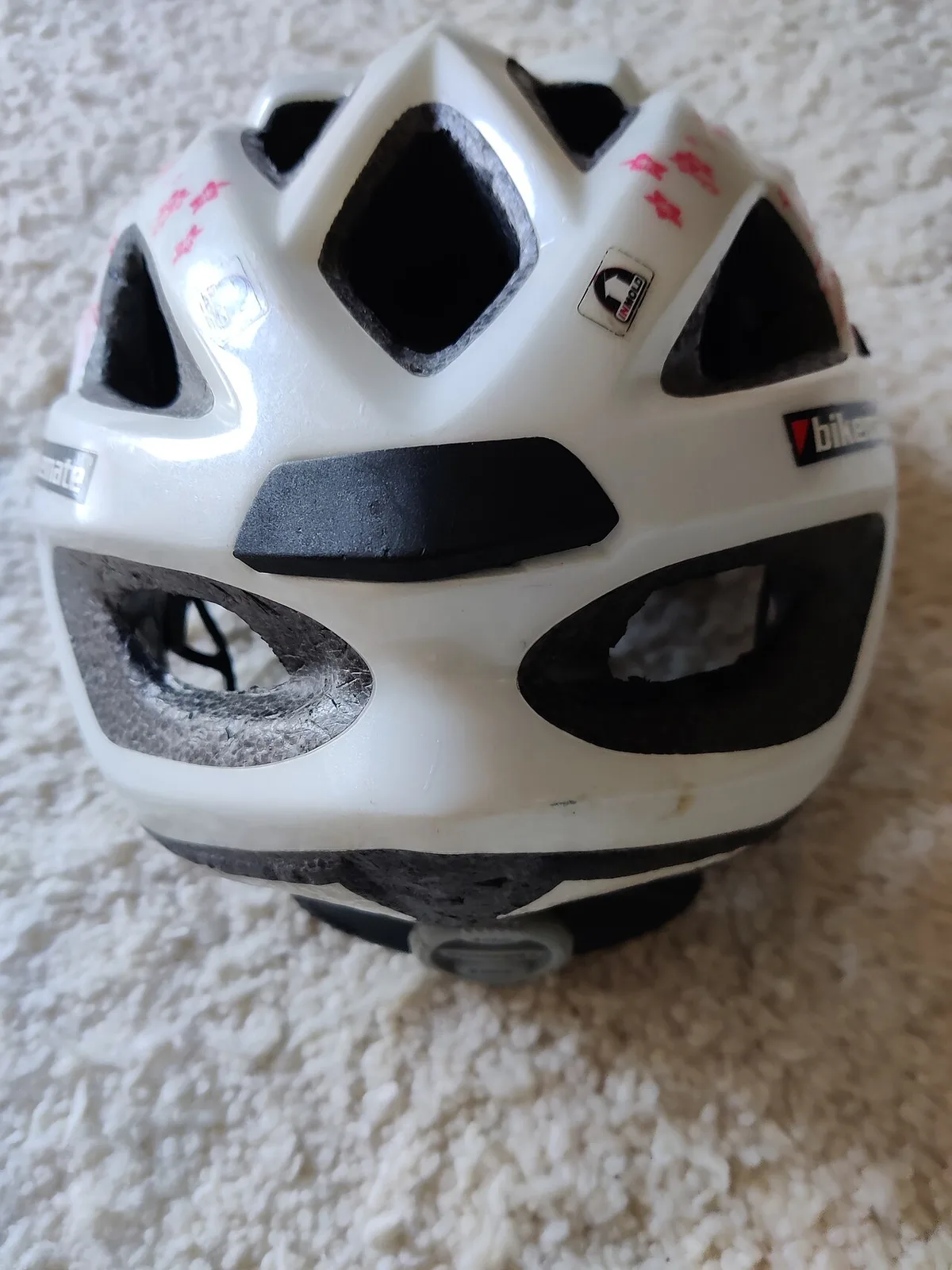
Sizing information is separate again. As a clearly identified overseas example, Bell's Stratus Mips US chart lists small at 52–56 cm, medium at 55–59 cm and large at 58–62 cm. Bell also warns that certification and other product details can vary by region. A chart match therefore does not establish Australian approval, and a certification statement does not establish fit. Keep the chart source and exact local variant together. The documentary helmets pictured here are different products; they are not the Bell example and have not been assessed by this publication.
Ask for evidence tied to the actual item
Before ordering, ask the seller to identify the exact model, size and relevant label or instructions for the supplied version. Save the response with the listing date and intended-use statement. If the answer links a different country's page, ask whether it describes the same item and what local documentation applies. Do not fill the gap with a review or a visually similar package. For interstate travel, check the destination requirements as well; an earlier answer for your home location is not automatically an answer for every place you may ride.
Keep the result useful after delivery
Compare the delivered model and markings with the written purchase record, and retain the supplied fitting instructions. Resolve any discrepancy with the seller before relying on the helmet. Follow the manufacturer and local road-authority guidance for fitting and fastening, with qualified assistance if needed. A tidy file cannot substitute for the actual helmet or an individual fit check, but it makes the remaining questions visible. It also keeps supply evidence, local road-use requirements and fit from being collapsed into one vague approved label. Check official information again when the product, intended use or jurisdiction changes. Keep downloaded instructions labelled with the model and market they describe.
Open official model documentation ? Open official model documentation ? Open official model documentation ?