Build a bicycle dimension file before comparing sizes
Create a reusable bicycle measurement file that separates product labels, measured dimensions and fit questions.
Updated:
Write down what the measurement describes
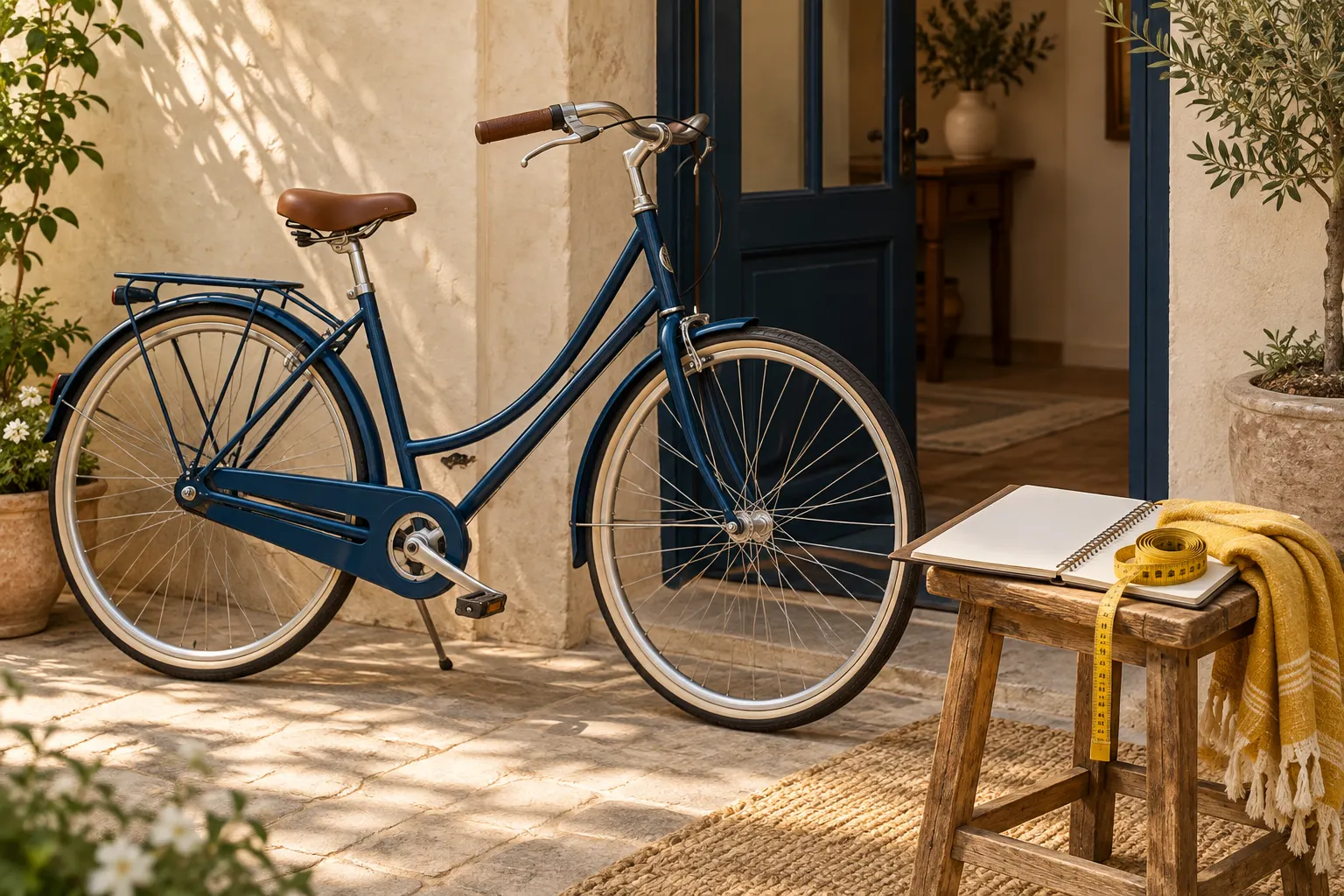
A bicycle comparison becomes easier to revisit when every dimension has a name, unit and source. Start with the exact bicycle model, model year if known, frame-size label and wheel information. Then decide which question the record needs to answer: identifying a replacement tyre, comparing a storage opening or preparing a fit discussion. Those tasks use different measurements. A list of numbers copied from several product pages can look precise while concealing that the values describe different parts or were measured in different ways.
Schwalbe dimensions and wheel measurement ? Schwalbe size designation ?
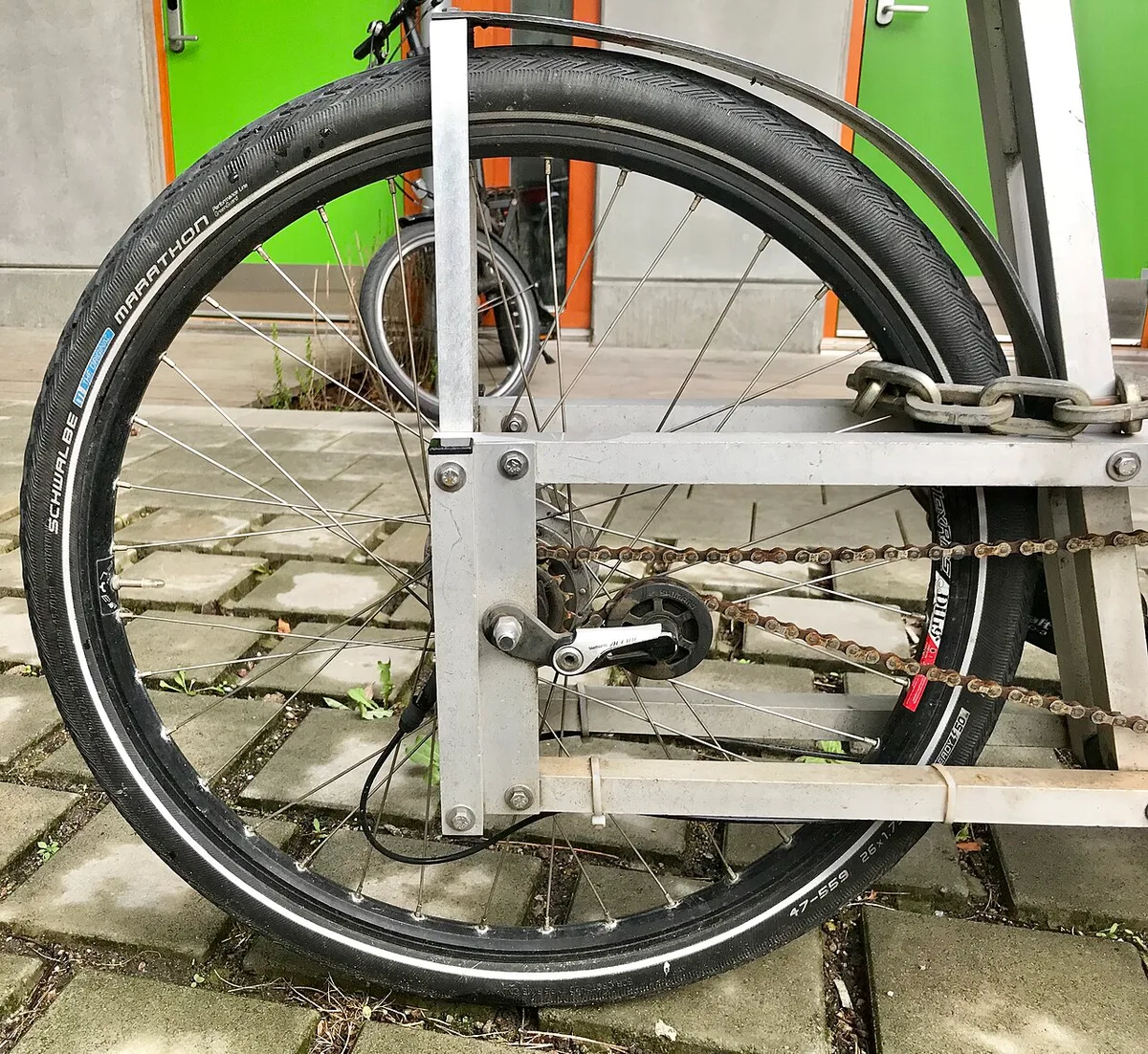
Separate the label from the measured result
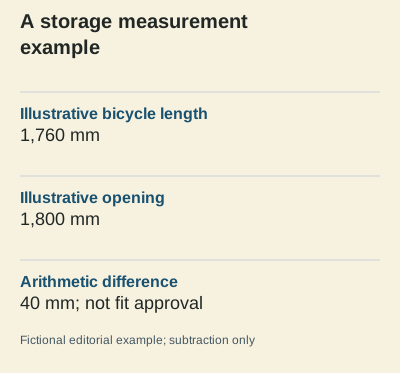
A tyre designation belongs in an identification field. Its observed mounted dimensions belong elsewhere. Schwalbe explains why a tyre's mounted result can vary with the assembly and conditions, so avoid silently replacing one with the other. For a fictional storage exercise, suppose a bicycle is measured at 1,760 mm long and an opening is 1,800 mm wide. The arithmetic difference is 40 mm. That number does not account for the movement needed to pass through the opening, the handlebar position or anything projecting into the route. It is an initial record, not a promise that the bicycle will fit.
Use one method consistently
When comparing alternatives, record how each measurement was obtained. A manufacturer's geometry drawing, your own tape measurement and a retailer's general description are different evidence types. Preserve the original unit and document any conversion separately. Avoid treating a frame size letter as a universal physical dimension. If a drawing does not define the field you need, ask the manufacturer rather than borrowing a definition from another brand. A useful file makes uncertainty visible and gives a specialist enough context to explain what should be measured next.
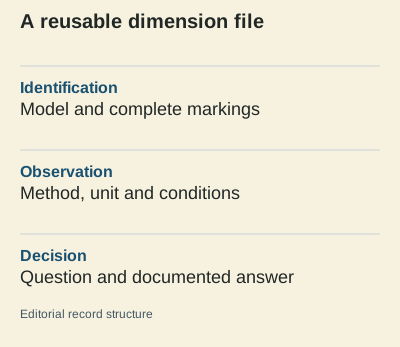
Attach photographs for identification
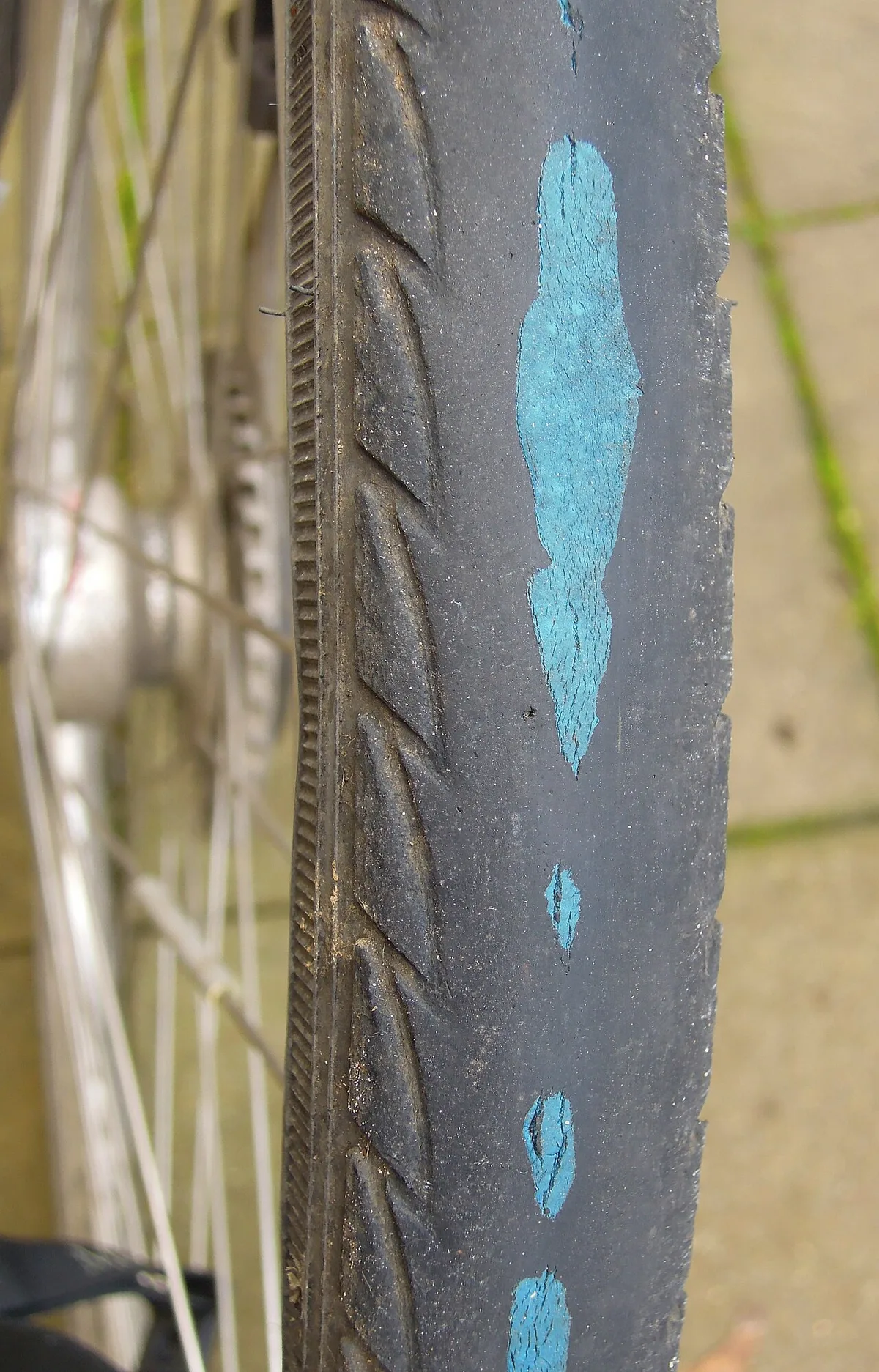
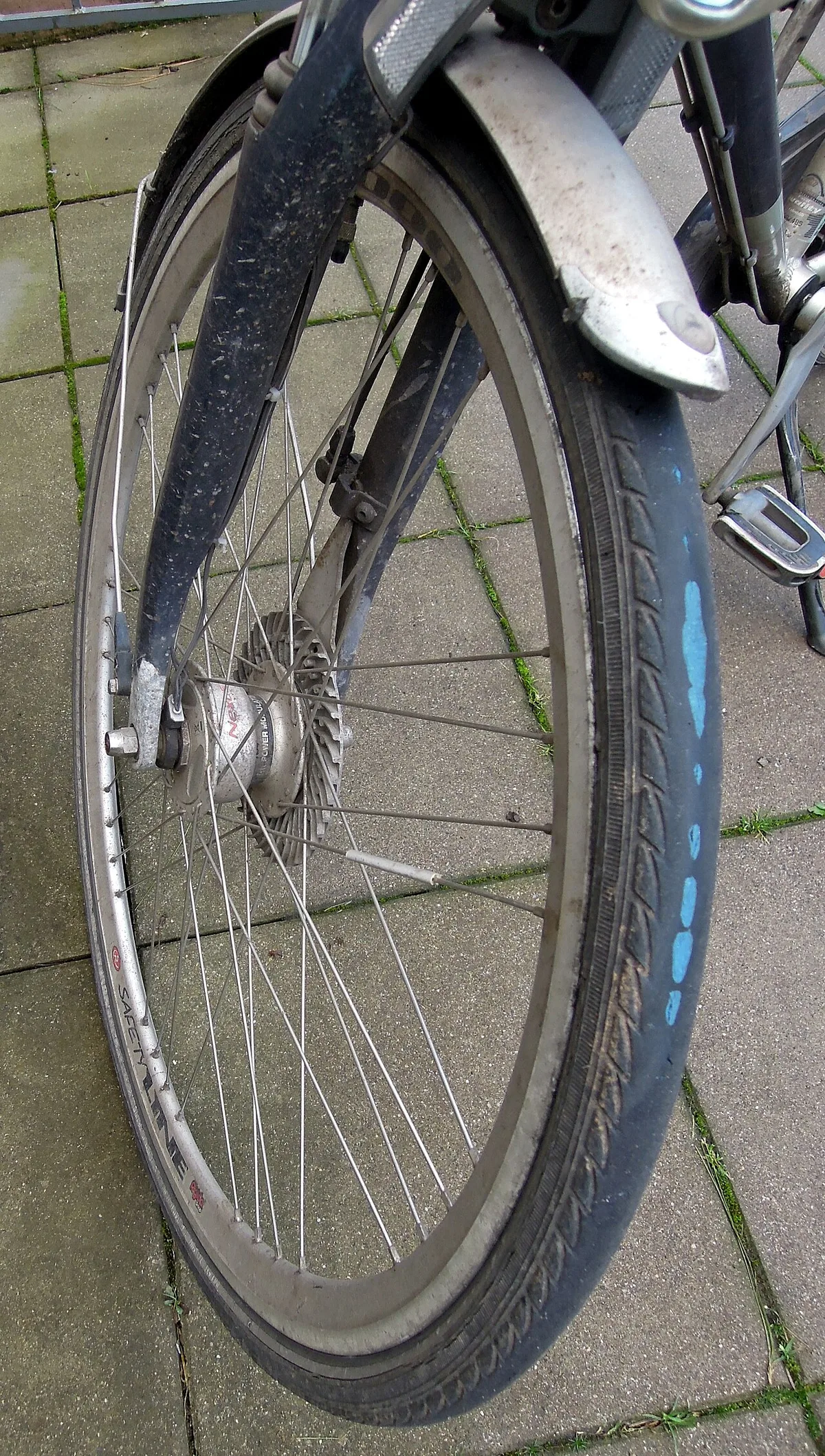
Photograph the model identifiers and the relevant parts of your own bicycle. Include enough context to show where a close-up belongs, and avoid obscuring the markings with a measuring tool. The archive images here demonstrate labels, wheel surroundings and visible wear on other equipment. They are not a geometry survey or a condition report for your bicycle. Keep the actual photographs linked to the date and measurement record. If components change, make a new version instead of leaving an old picture beside new numbers without explanation.
Turn the file into a focused conversation
Bring the record to the seller or qualified fitter with a specific question. Ask whether the published dimension answers that question and what other information is necessary. For an online purchase, retain the exact variant and the response rather than relying on a generic recommendation. The file can also help explain a later accessory enquiry because the wheel and bicycle identities are already recorded. It cannot determine individual comfort, riding suitability or mechanical safety by itself. Use it to make the conversation clearer, while following the relevant equipment instructions and obtaining hands-on help when needed.
Open official model documentation ? Open official model documentation ?