Match more than the first number on a wheel listing
Check diameter, width and rim construction as separate compatibility questions before ordering a bicycle tyre.
Updated:
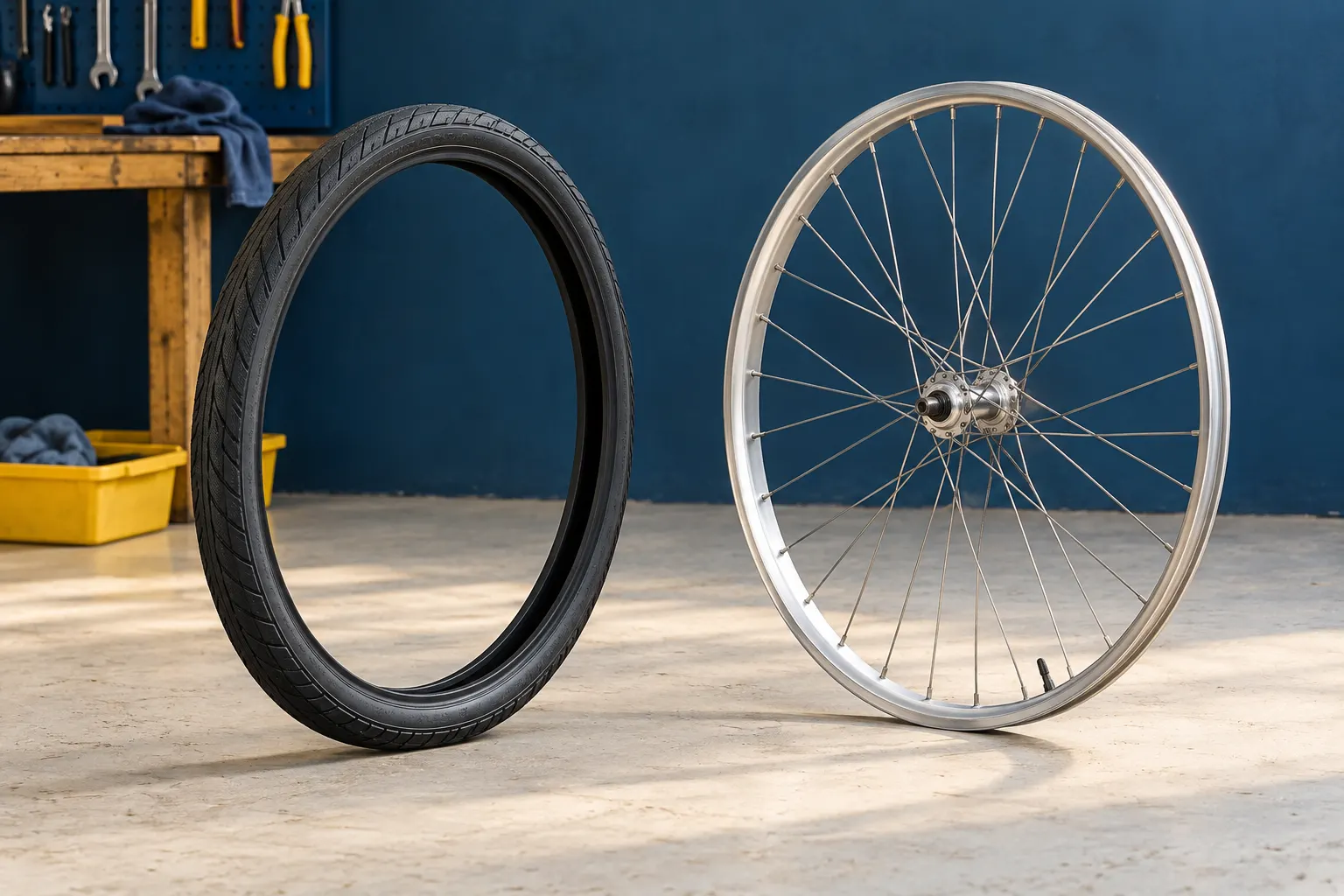
A matching diameter does not finish the enquiry
When a tyre listing and a wheel listing share a number, it is tempting to treat the choice as settled. Instead, use that match to start a structured enquiry. Record the complete tyre designation and exact wheel or rim model, including the version where relevant. Keep a link to both manufacturers rather than relying on a shop category. The intended result is a documented combination with the necessary conditions attached, not simply two product names that sound as though they belong together.
Schwalbe size designation ? Schwalbe dimensions and wheel measurement ?
Read the dimensions as different fields
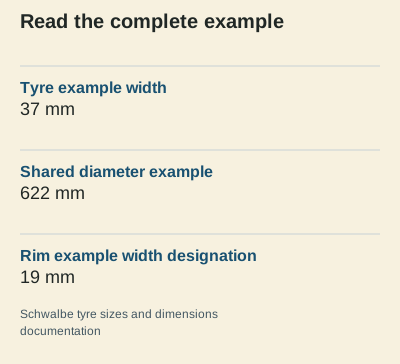
Schwalbe uses a 37-622 tyre and a 622 x 19C rim as an explanatory example. The 37 mm tyre-width value and 622 mm diameter describe different things; the rim example adds a 19 mm width designation. Copy the entire marking before interpreting it. Do not remove the letters because a comparison spreadsheet expects only numbers. The manufacturer explains that tyre width and inner rim width also need to be matched. Its example helps explain the notation; it is not our endorsement of an unspecified tyre on an unspecified wheel with similar dimensions.
Find the construction requirements
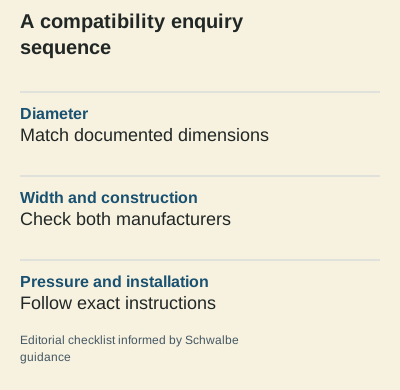
Rim construction introduces another question that cannot be answered from diameter alone. Schwalbe specifically discusses restrictions for hookless or straight-sided rims and points readers to the wheel or rim manufacturer's permitted tyre types, widths and maximum pressure information. Bring those documents into the comparison before ordering. If the retailer cannot identify the rim construction or exact tyre version, mark the proposed combination unresolved. Do not assume that a familiar brand name, a tubeless-related word or a matching nominal wheel size establishes the required compatibility.
Do not use an archive photo as permission
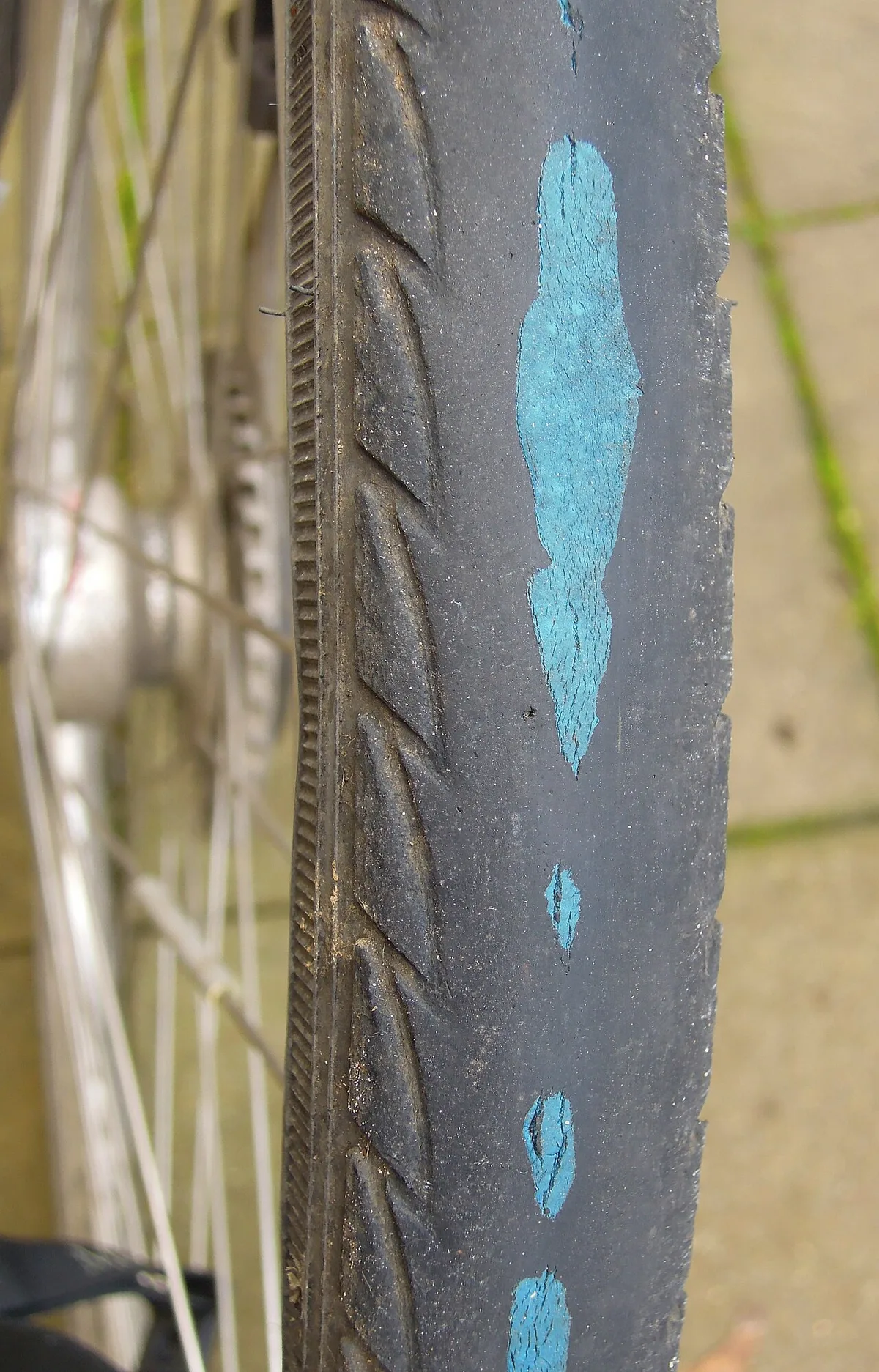
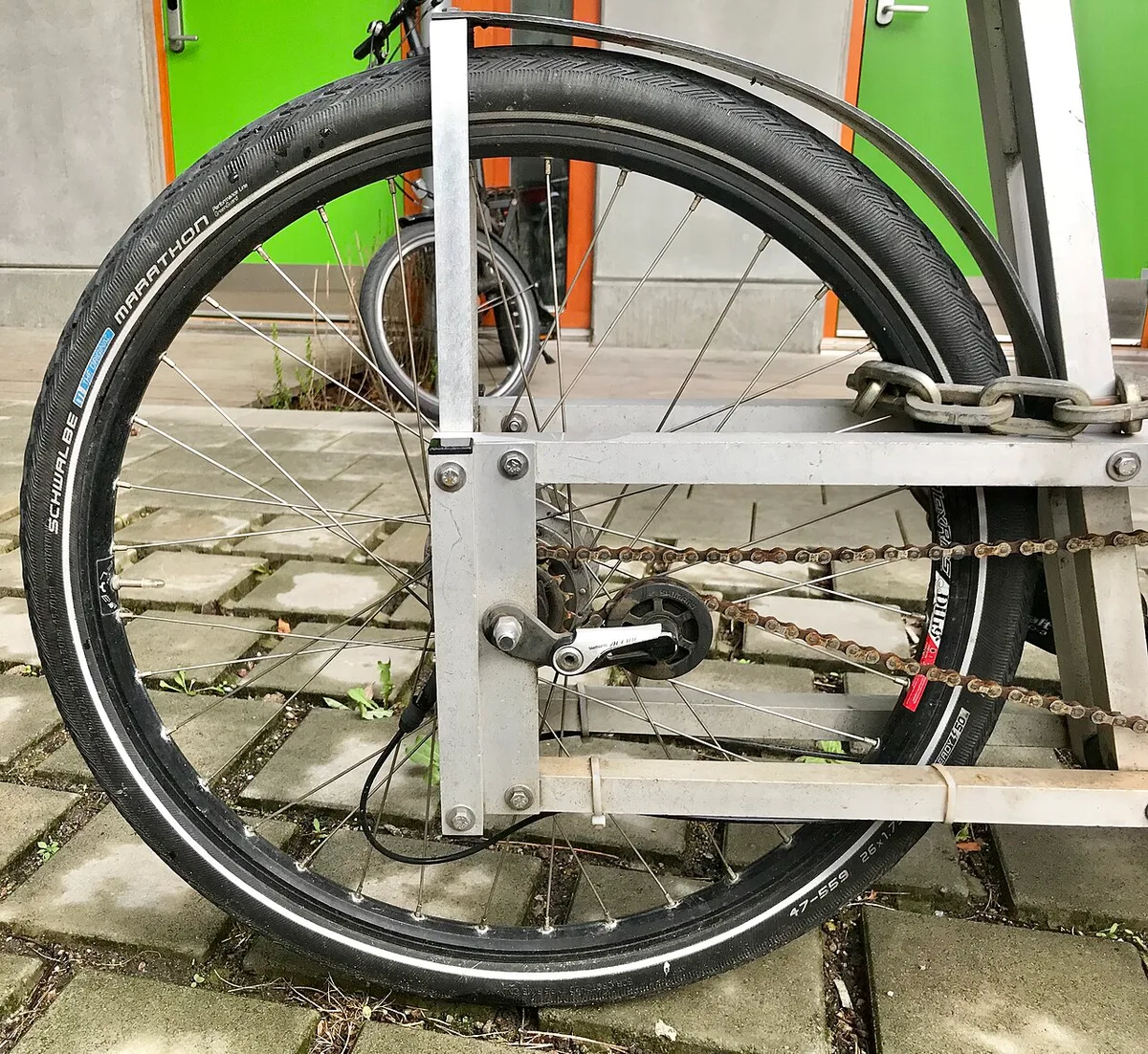
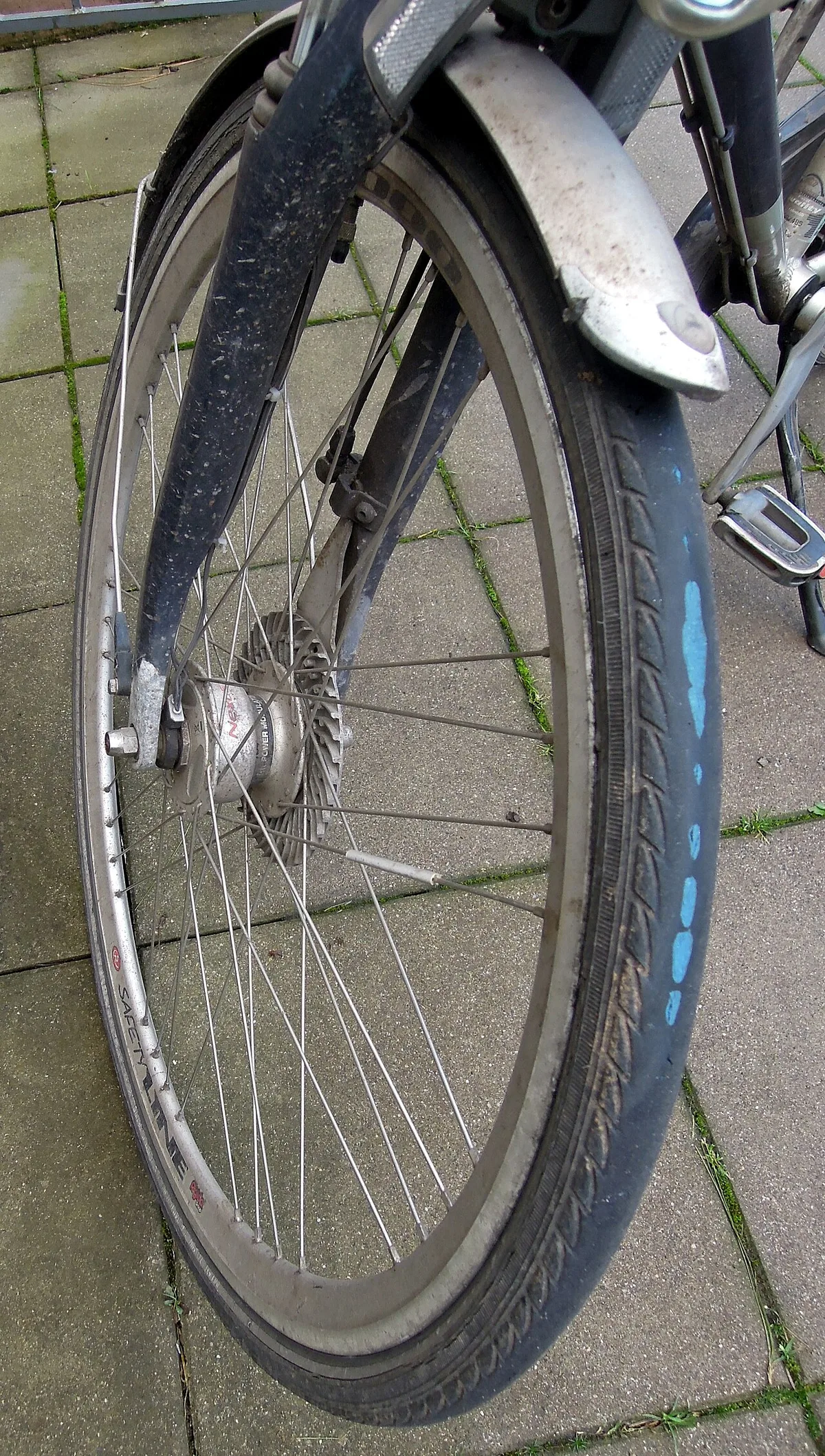
The photographs in this article document particular used tyres and wheels. They help readers see markings and surrounding parts, but their history and installation conditions are not known to this publication. We have not tested their fit or condition. A visually similar wheel on your bicycle could have different requirements. Use photographs of your actual labels to support an enquiry, and keep any manufacturer's written answer attached to the exact model identifiers. Treat condition, installation and compatibility as connected questions that still require their own answers.
Make the order match the confirmed combination
Once the relevant instructions and any qualified advice resolve the enquiry, ask the seller to quote the exact tyre variant and required accompanying items. Save the diameter, width, construction and pressure-document references in the same file. When the delivery arrives, compare the labels with that file before installation rather than assuming the parcel matches the abbreviated order title. If the labels differ, ask for clarification. A careful buying record reduces ambiguity and makes follow-up easier, but it does not replace fitting instructions, mechanical competence or an inspection of the completed bicycle. Keep the packaging label until the variant has been checked, because a shortened invoice description may omit the construction detail you need.
Open official model documentation ? Open official model documentation ?