Keep measured ride distance separate from equipment promises
Build a bicycle distance record that distinguishes device readings, missing information and component changes without inventing maintenance thresholds.
Updated:
Decide what the record is intended to describe
A bicycle distance log can help organise your own activity and equipment history, but it needs a clear scope. Record whether a value comes from a particular device, a manually entered route or another source. Keep that source beside the date and bicycle used. Do not combine several readings from the same ride as though they were separate journeys. If the purpose is to support an equipment enquiry, identify the component and when it was installed rather than assuming every distance in a general activity account belongs to it.
Schwalbe dimensions and wheel measurement ?
Keep the measuring setup identifiable
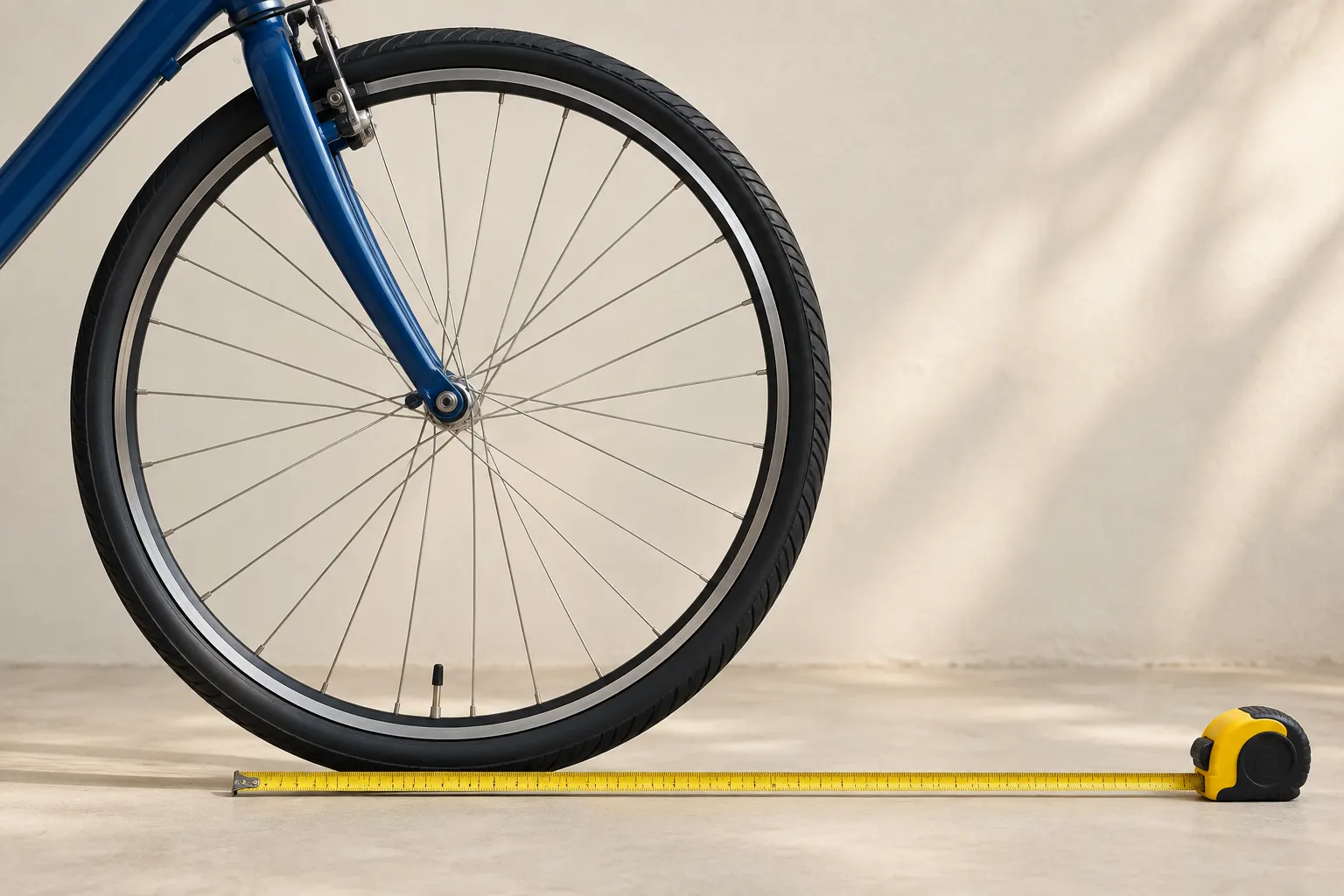
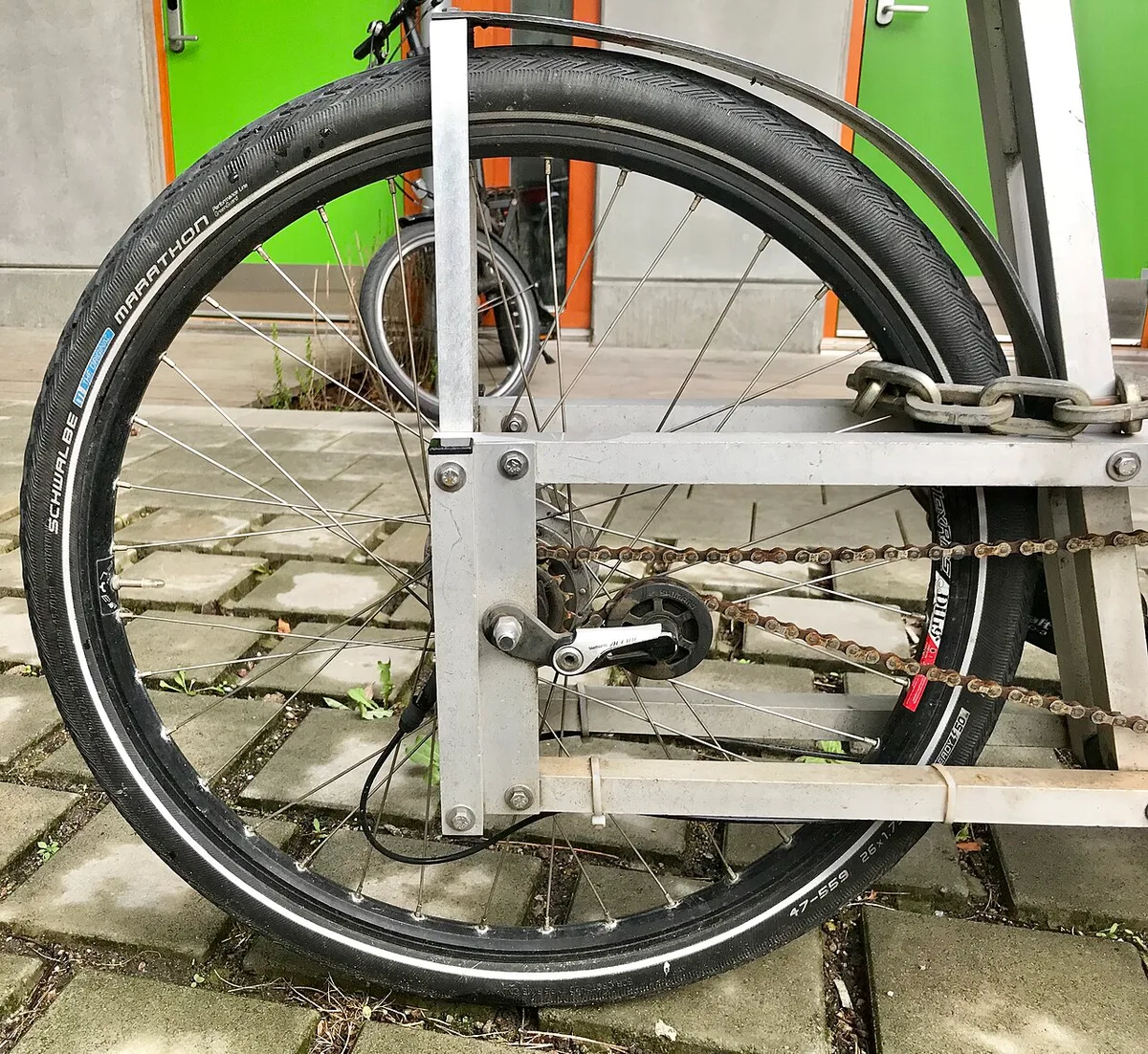
For a wheel-based computer, circumference setup can affect the interpretation of the record. Schwalbe explains why exact rollout depends on the actual assembly and conditions. Keep the relevant computer instructions and configuration note with your log, and mark any change to the wheel or tyre. This does not mean adjusting the device to produce a preferred distance. It means retaining enough information to explain where a value came from. A recorded number with an unknown setup should remain labelled as such rather than acquiring false precision through a spreadsheet format.
Add the records without hiding their scope
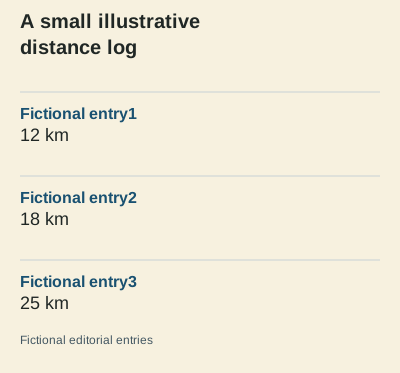
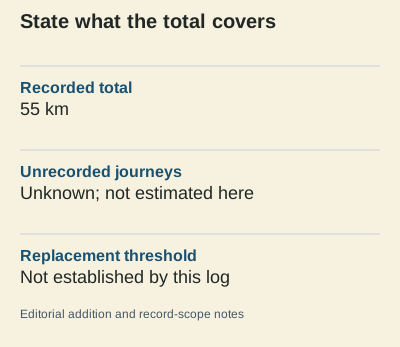
Consider a fictional week with entries of 12 km, 18 km and 25 km. Their sum is 55 km. That total describes the three entries only; it is not evidence of an unrecorded ride or proof that every component covered the same distance. If a light was fitted after the first entry, its associated record has a different start point. Keep the original rows so a later correction can be traced. Rounding for display should not silently replace the stored values, and a missing entry should not be filled by guessing from a typical week.
Do not invent a service or replacement promise
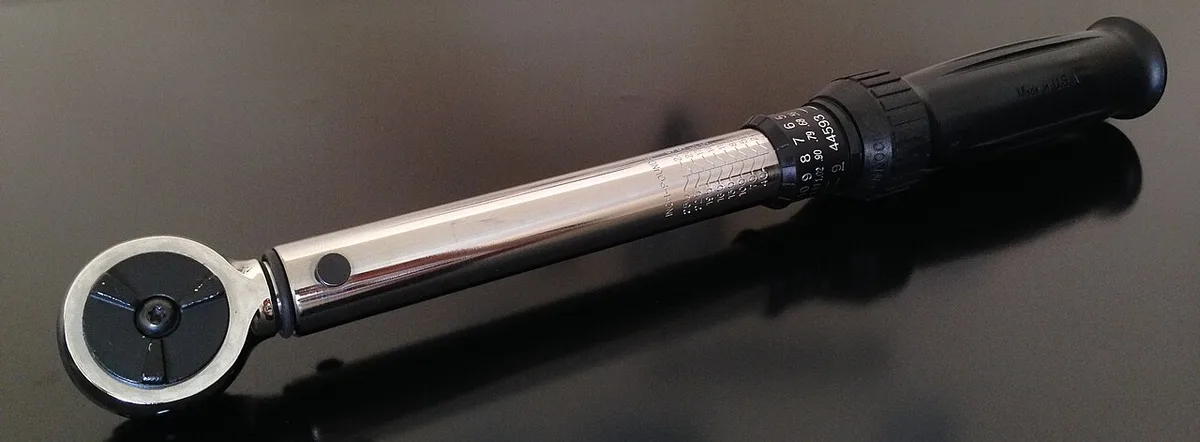
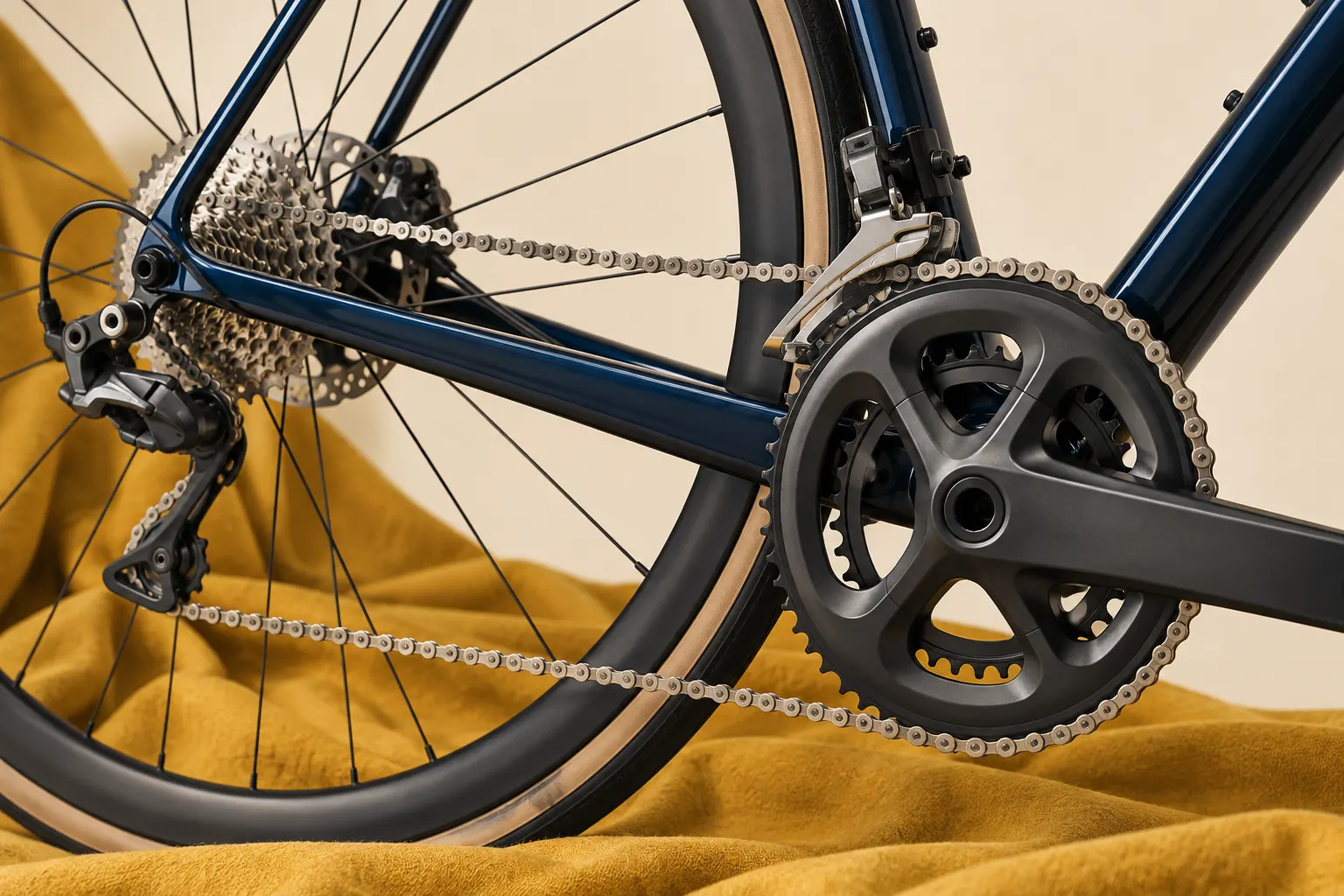
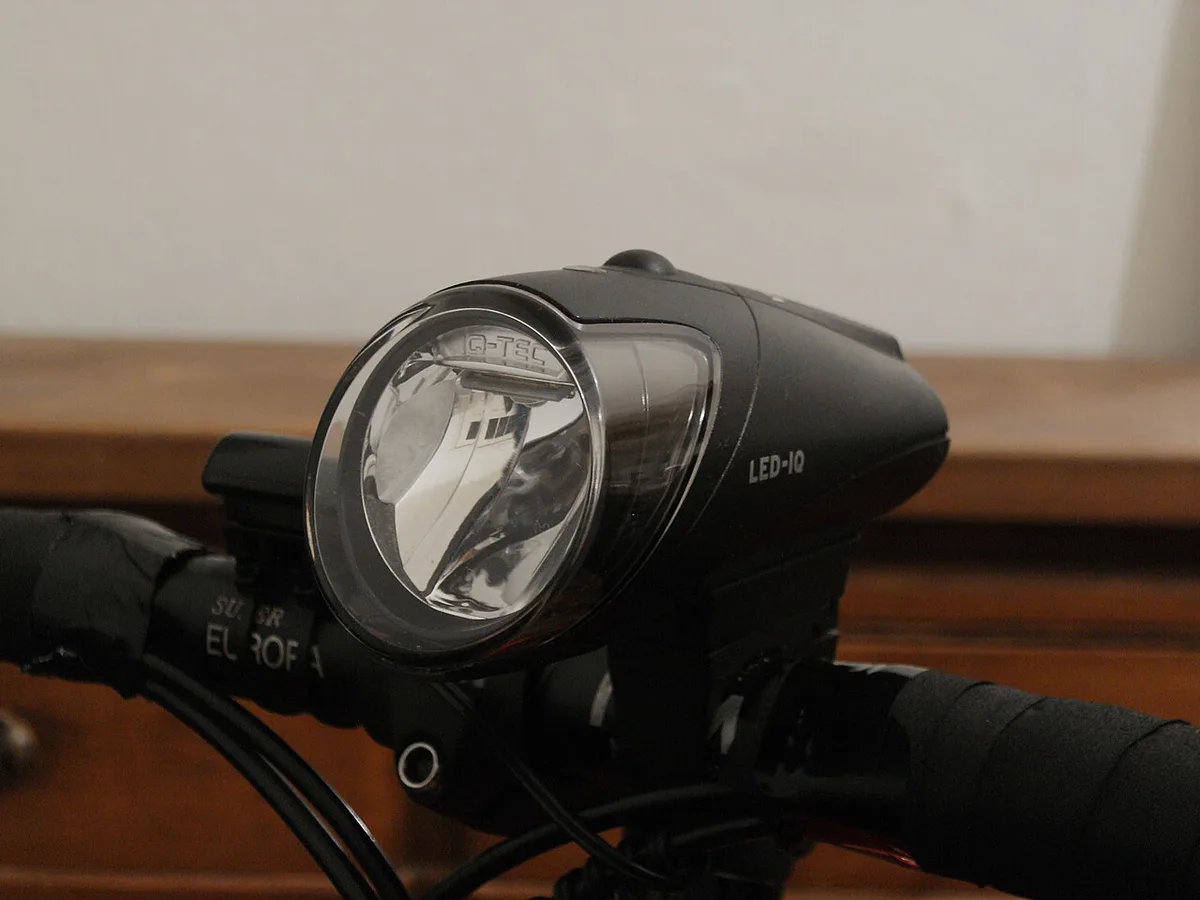
A distance total alone does not determine whether a tyre, chain, brake or another component is safe or due for replacement. Use the actual manufacturer's maintenance instructions and qualified inspection where appropriate. Conditions, damage and the specific equipment can matter in ways that a distance column does not show. The archive photographs in this article illustrate different equipment and visible wear, not components tested for a particular lifespan. This publication does not infer a service interval from those pictures or from the fictional weekly arithmetic.
Make the log useful in a real enquiry
When contacting a manufacturer or mechanic, provide the exact component identity, relevant dates, the distance source and the concern you have observed. Separate confirmed entries from estimates and leave unknown periods visible. Keep the response with the record so future readers can see what information was actually supplied. A clear log can reduce confusion about chronology, but it cannot diagnose a fault or certify continued use. Its value is traceability: it helps you describe the equipment history accurately while leaving the mechanical assessment to the appropriate instructions and qualified expertise. Record corrections with a date so the earlier total can be explained later.
Open official model documentation ?