Measure wheel rollout for a computer setup record
Keep a measured wheel circumference record for a bicycle computer without treating a nominal tyre label as an exact distance.
Updated:
Check what your computer asks for
Before entering a wheel value into a bicycle computer, read the exact device instructions and identify the requested unit and method. Some setups ask for a circumference while others may provide a different configuration process. Do not enter a familiar tyre-size number into a field merely because it accepts digits. Keep the computer model and the wheel arrangement in the same note. If the documentation is unclear, ask the device manufacturer what the field means before attempting to interpret the resulting distance record.
Schwalbe dimensions and wheel measurement ?
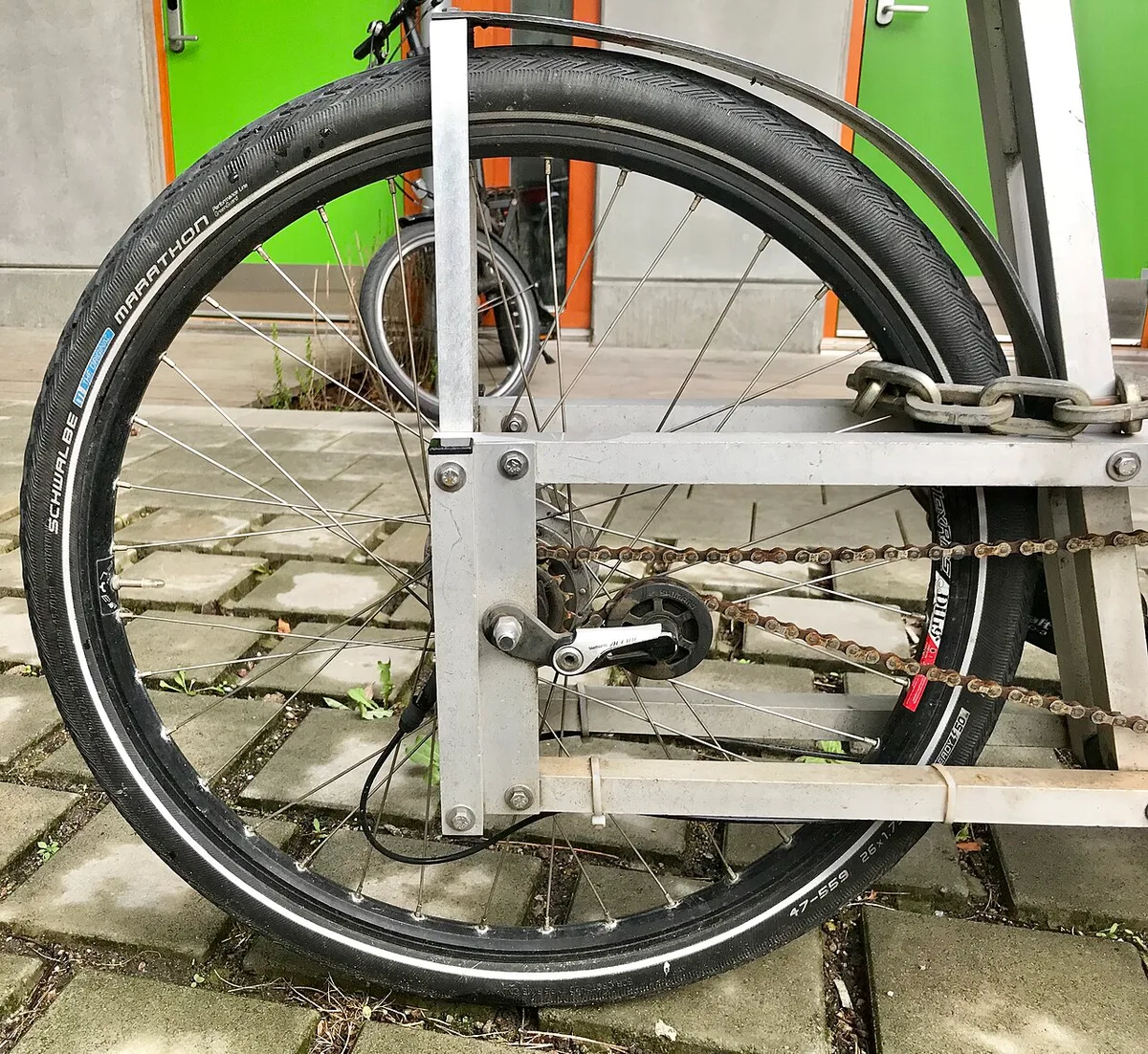
A nominal tyre label is not an exact rollout
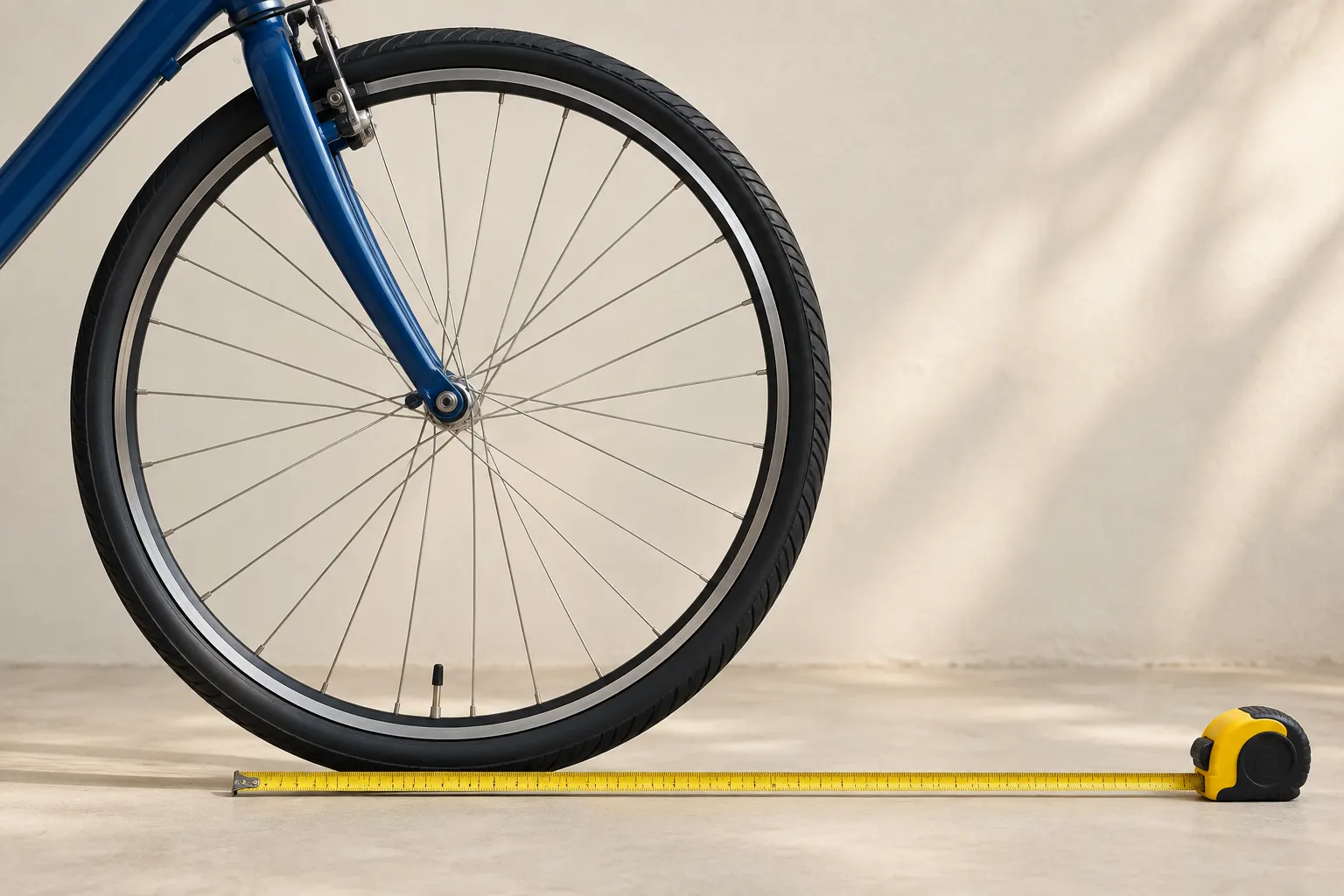
Schwalbe explains that wheel circumference varies with factors including the tyre, inner rim width, pressure and load. Its guidance describes a rolling measurement rather than promising an exact circumference from every size label. Consult that source and the computer instructions for the appropriate method, using a suitable setting and assistance where needed. The marking on a tyre is valuable for identification, but it does not capture every condition of the actual assembly. Record the tyre and rim details alongside the measurement so a later equipment change is not overlooked.
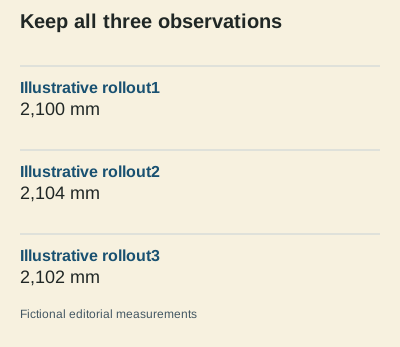
Keep repeated observations visible
As a fictional record example, suppose three measurements are 2,100 mm, 2,104 mm and 2,102 mm. Their mean is 2,102 mm and the spread between largest and smallest is 4 mm. The site's rollout tool performs that arithmetic on your inputs. It does not tell you whether the method was accurate or whether the result is appropriate for the device. Preserve the individual observations rather than only the rounded mean. A large or unexpected difference is a reason to review the method and conditions, not a reason to hide an inconvenient measurement.
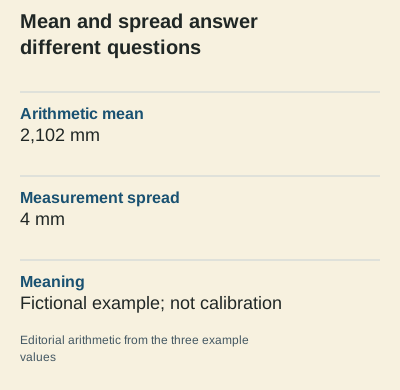
Record the setup and any later change
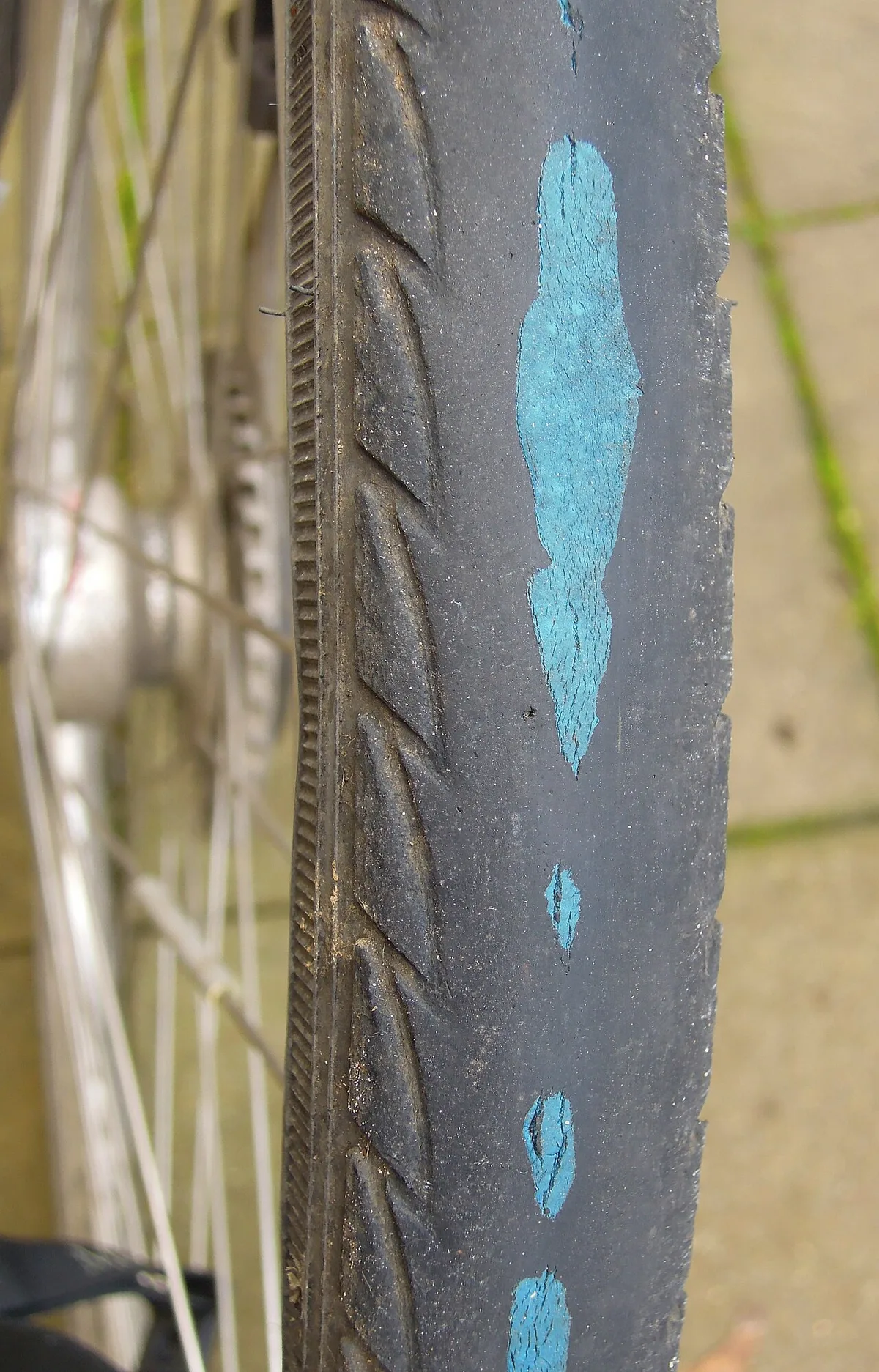
Keep the date, unit, measurement method and relevant setup conditions beside the result. If the tyre, wheel or other relevant circumstances change, revisit the applicable instructions rather than assuming the old value remains suitable. The documentary photographs here show other tyres and wheels, including visible wear. They are identification context, not measured rollout examples or a recommendation to use worn equipment. This publication has not measured those assemblies. Do not copy a value from another bicycle simply because its photograph or nominal tyre marking looks similar.
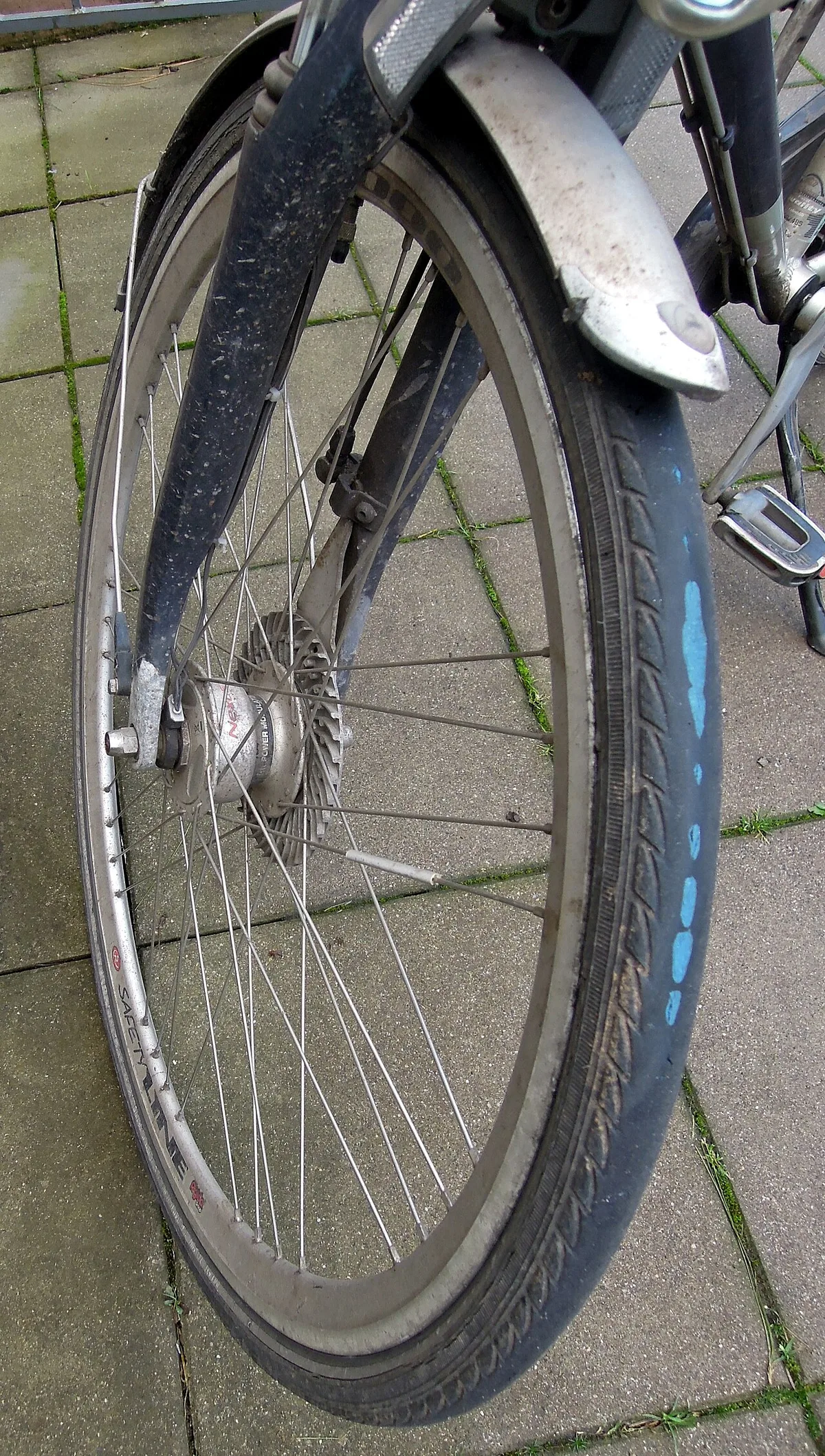
Use the result within its limits
Enter a value only according to the computer's instructions, and retain the original record so a later discrepancy can be investigated. Keep device-reported distance distinct from an independently established route length; neither is automatically a calibration certificate for the other. If the readings are unexpected, check the device setup and seek manufacturer help rather than adjusting the value until a preferred result appears. This guide and its calculator organise observations and arithmetic. They do not certify instrument accuracy, prescribe tyre pressure, recommend a riding distance or determine whether the bicycle is mechanically fit for use. Keep the device instruction revision with the configuration entry for later troubleshooting.
Open official model documentation ?