Build a document file for a bike and its accessories
Connect bicycle and accessory identities with seller records, instructions and source dates in a practical purchase file.
Updated:
Give each item its own identity
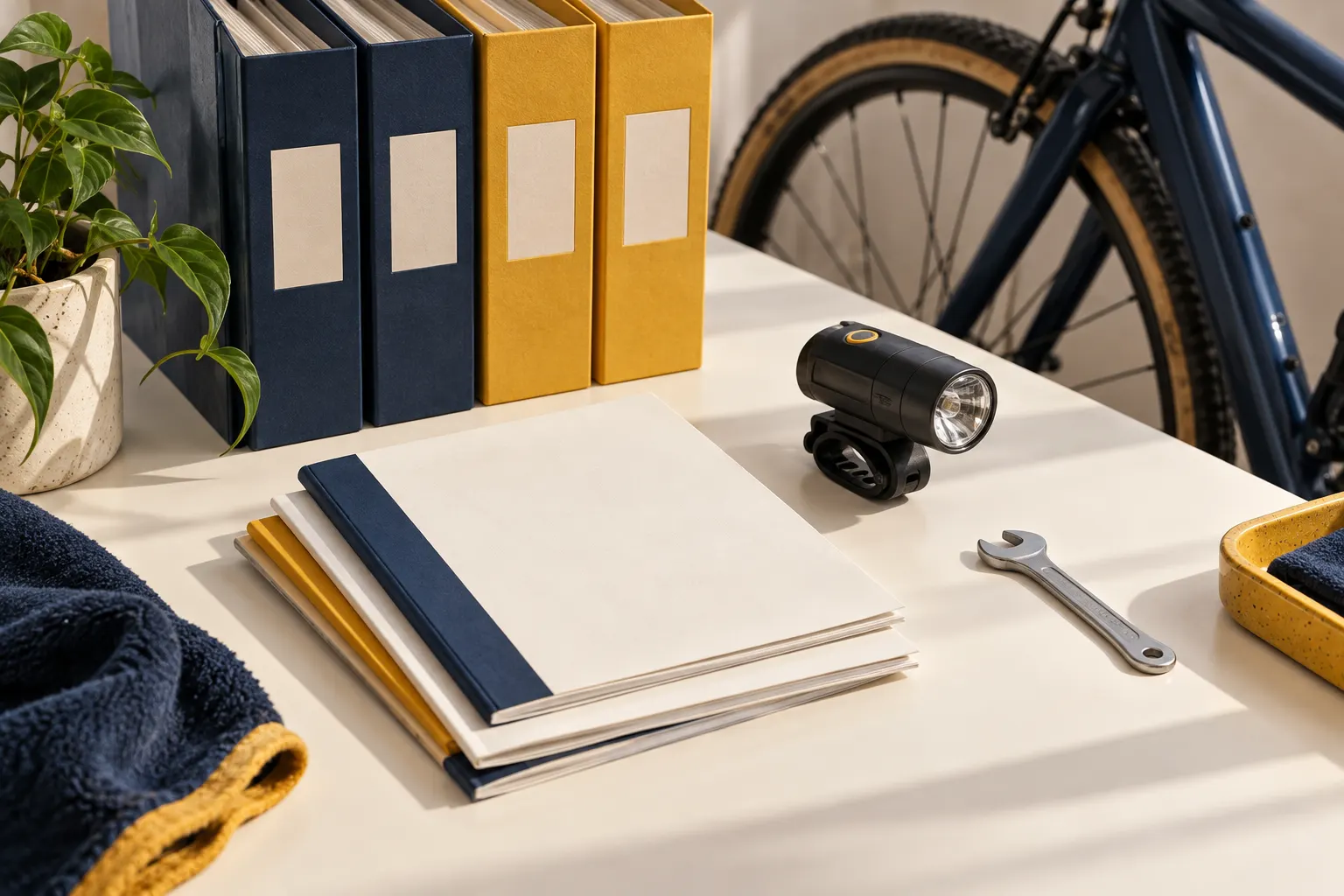
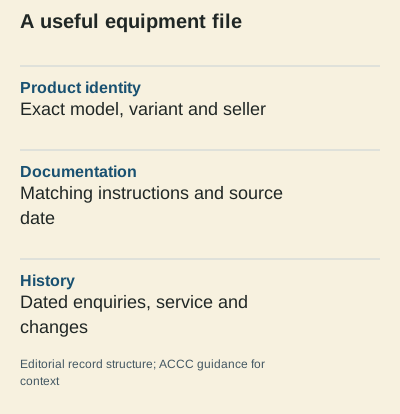
A bicycle and its accessories may come from several sellers, with different instructions and support contacts. Begin a document file with one entry per actual item. Record the model, variant, seller and order identifier before adding general notes. A helmet, light and torque wrench should not share an undifferentiated receipt folder that leaves you guessing which instructions apply. Keep a readable photograph of relevant product identifiers where appropriate, while avoiding publication of personal details. The goal is a file that can answer a specific enquiry without reconstructing the purchase from memory.
ACCC warranties ? ACCC bicycle helmet supply standard ? Park Tool TW5.2 specification ?
Keep specifications attached to their source
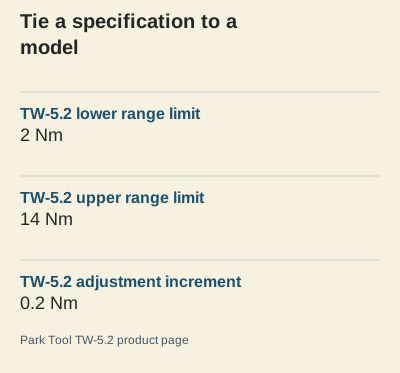
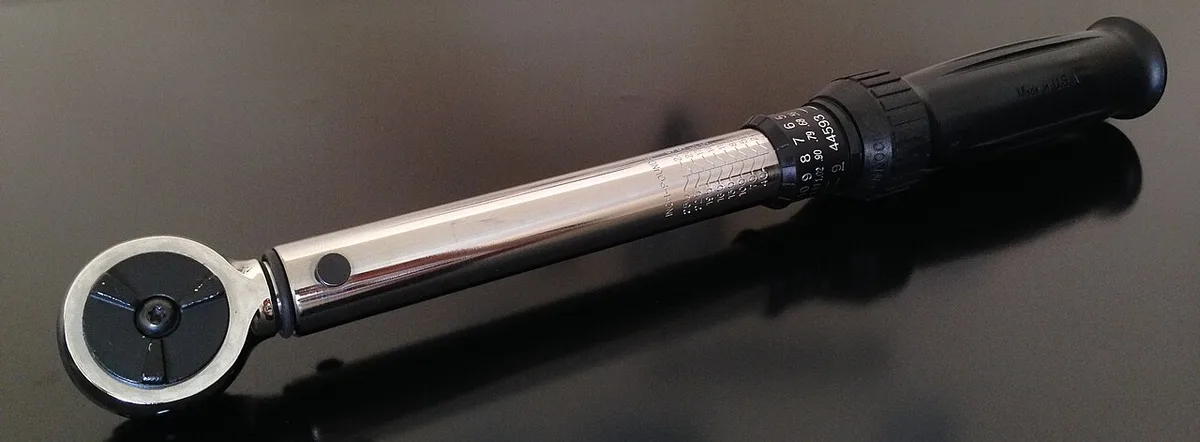
For a torque-tool example, Park Tool lists the TW-5.2 range as 2 Nm to 14 Nm and its adjustment increment as 0.2 Nm. Those figures belong to that model's documented capability, not to every instrument in a workshop or to a bicycle component's required setting. Save the source and checked date with the entry. If a later page changes, retain enough context to explain which document informed the original purchase. Do not overwrite the item identity with the name of a replacement product that happens to appear at the old shop link.
Keep instructions where they can be found
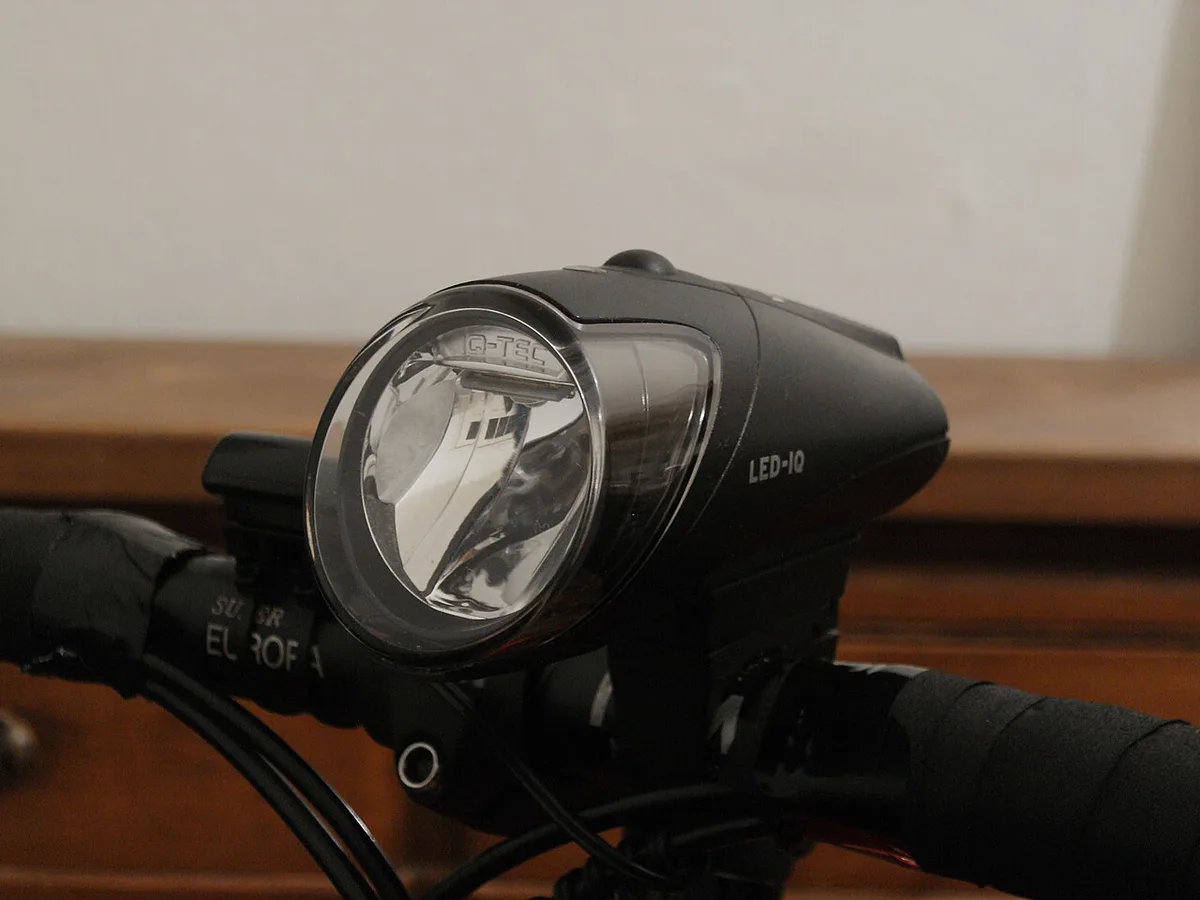
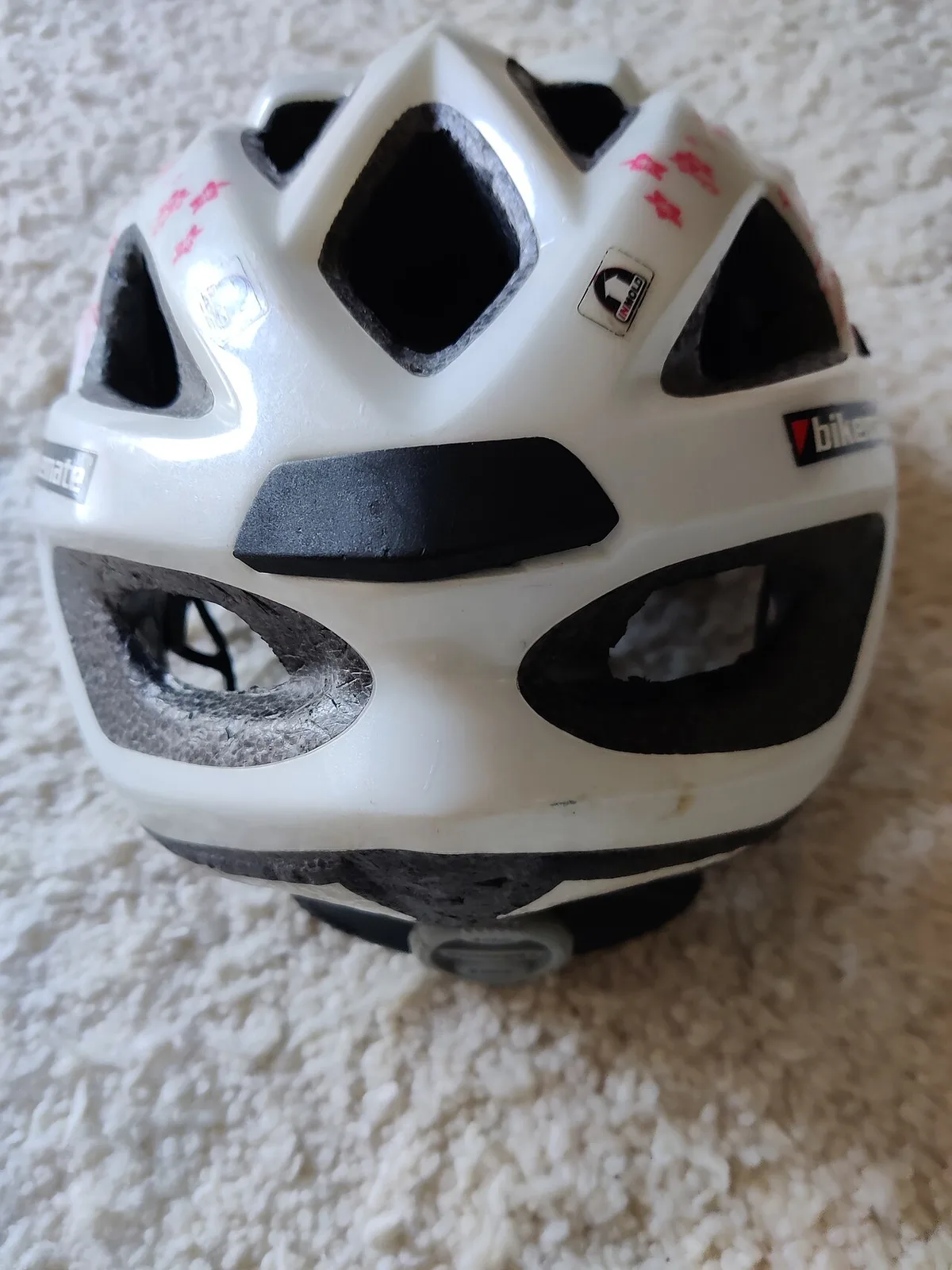
The ACCC's helmet standard overview includes the provision of fitting and positioning instructions. Store the instructions supplied with the actual helmet, or the manufacturer's matching version, alongside its identity and purchase record. Apply the same organisational principle to other equipment without assuming the helmet rule defines every product category. A document for another market or model may be useful background but should be labelled accordingly. The archive photographs here show other equipment, not a complete package inspected by this publication. They do not establish local approval, tool calibration or a particular item's condition.
Distinguish warranty paperwork from other rights
The ACCC explains that warranties are additional promises alongside consumer guarantees. Keep any warranty terms with the purchase record, but do not treat the document's stated period as a complete statement of all consumer rights. Consult the current ACCC guidance and the relevant seller when an issue arises. This article does not decide an individual claim or promise a remedy. A factual file should describe what was bought, from whom, when and what concern occurred, without embellishing the evidence or converting a general website statement into a personalised legal conclusion.
Make changes and enquiries traceable
Add service correspondence, replacement identifiers and any important instruction updates as dated entries. When contacting a seller or manufacturer, keep the question and response together so a later reader can see the circumstances described. If the equipment changes hands, separate transferable product information from your private transaction details. Maintain a backup in a place you can access when the original device is unavailable. The file does not certify safety or guarantee support, but it reduces ambiguity about the actual item and evidence. That is more useful than a collection of screenshots with no model, date or explanation of what each one was intended to show.
Open official model documentation ? Open official model documentation ? Open official model documentation ?