Compare bike-light runtime in the mode you will use
Compare steady and flashing bike-light runtime figures without mixing modes or treating manufacturer ceilings as tested endurance.
Updated:
Choose a mode before comparing the hours
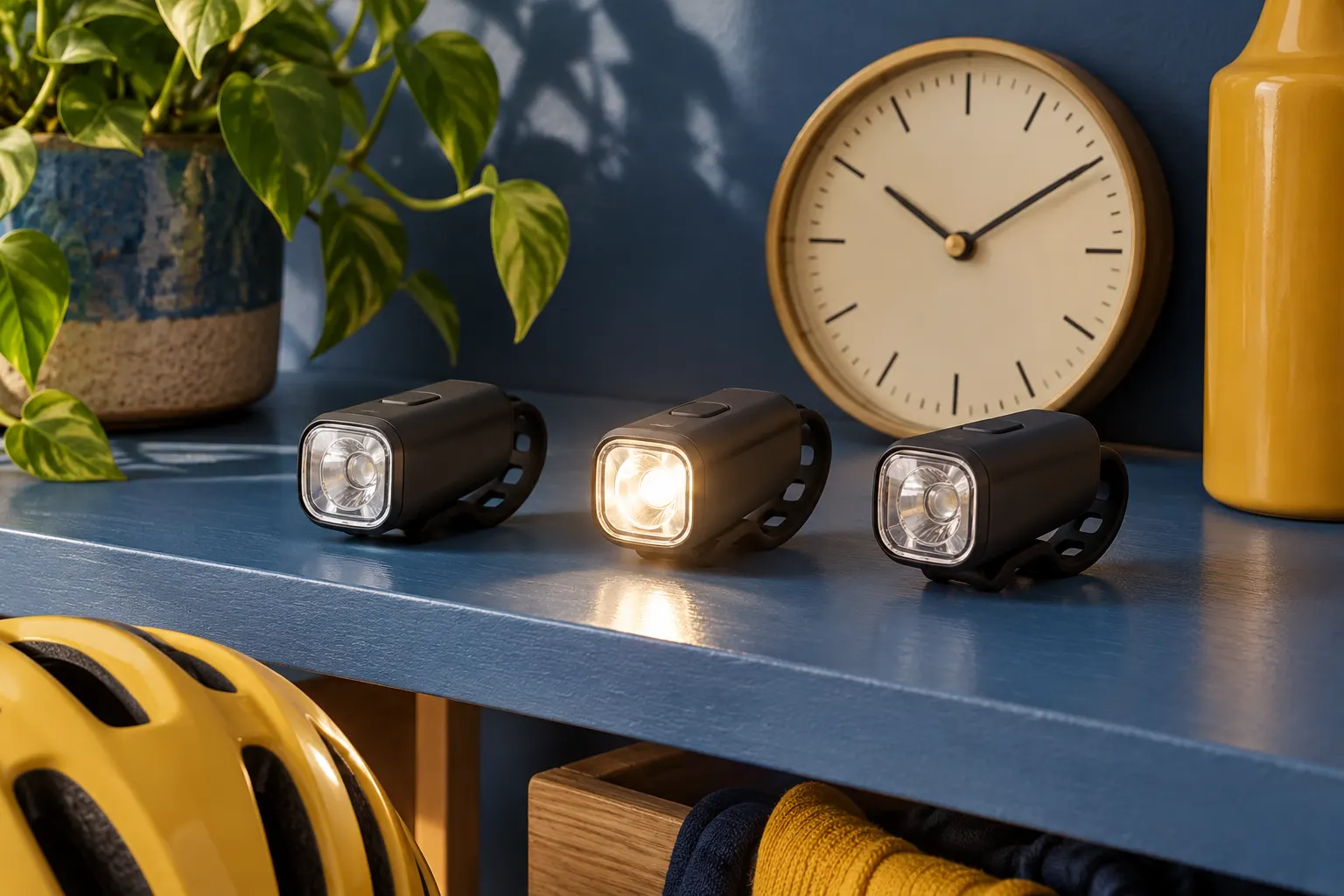
A long battery-life headline is not a complete description of how a bicycle light will operate. Start with the exact mode you intend to compare, then record the manufacturer's output and runtime figures together. Keep steady and flashing modes in separate rows. This is particularly useful when a product page advertises its longest runtime prominently but gives a shorter figure for continuous illumination. A comparison that preserves the mode makes the trade-off visible without pretending that every advertised hour represents the same kind of use.
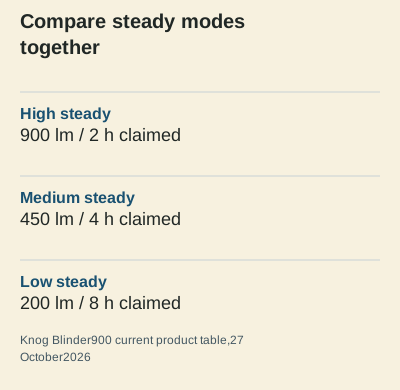
Knog Blinder900 current mode table ?
Read the current mode table
Knog's current Blinder900 product table lists high steady at 900 lumens for 2 hours, medium steady at 450 lumens for 4 hours and low steady at 200 lumens for 8 hours. It separately lists an eco-flash figure of 120 hours. These are manufacturer specifications, not measurements by Spoke & Span. Record the page and date with the values. If another document shows different figures, check the model revision and ask the manufacturer which document applies to the item being supplied instead of selecting whichever number looks most attractive.
Do the comparison without extending the claim
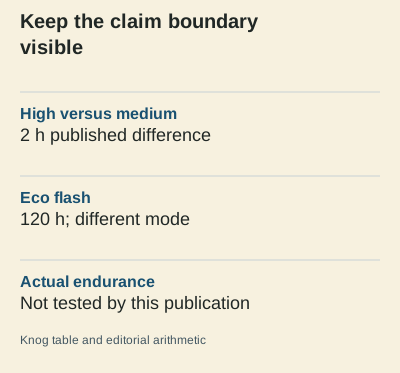
The difference between the listed high and medium steady runtimes is 2 hours. That is arithmetic on the published table, not a guarantee that changing modes during a ride will produce a proportional increase. Do not calculate a blended runtime unless the manufacturer provides a basis for doing so, and do not infer battery health from the headline. Your own usage record should identify the mode, charging state, conditions and any observed interruption. Keep that observation labelled as your record rather than replacing the manufacturer's specification with a broader claim.
Ask the questions the table cannot answer
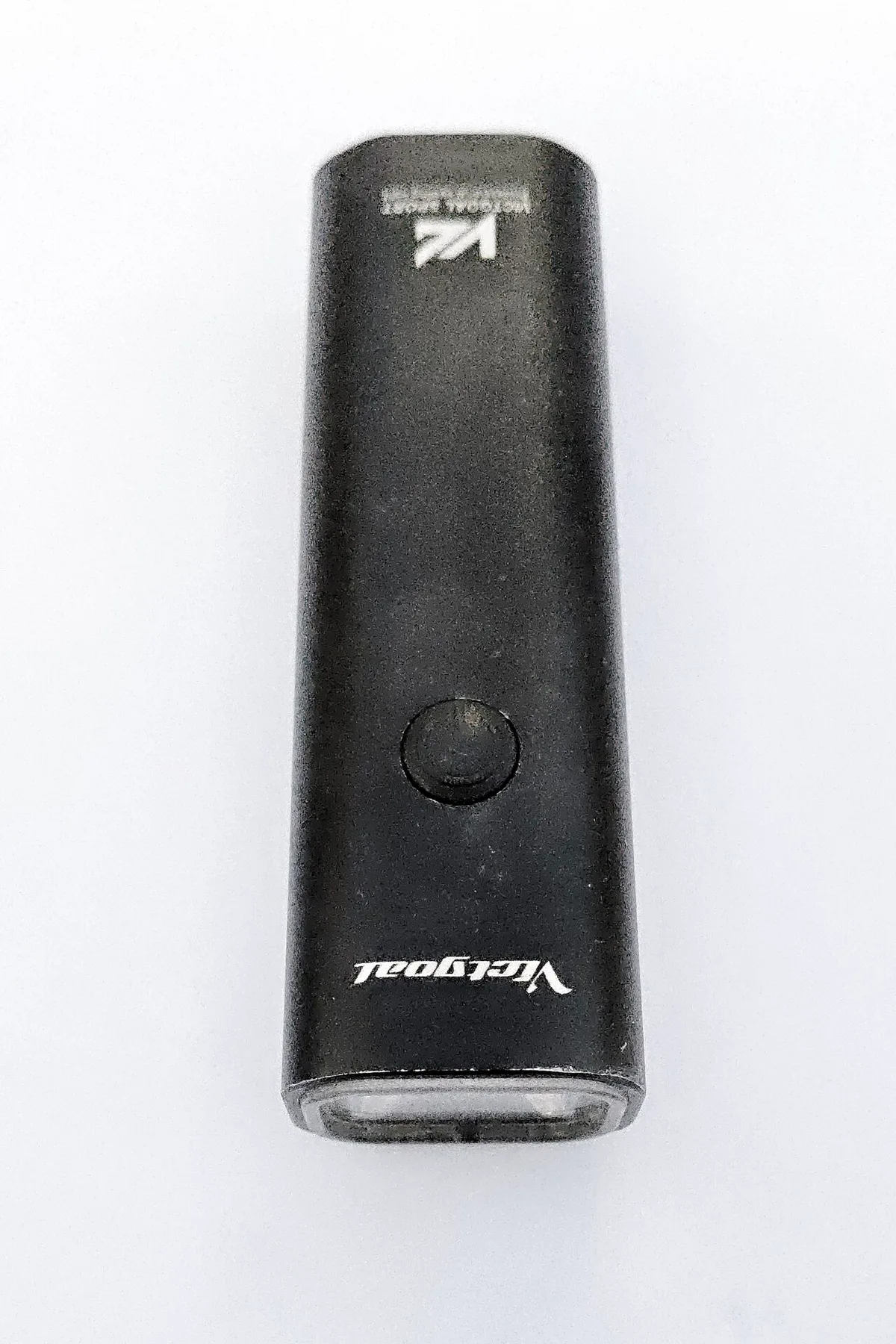
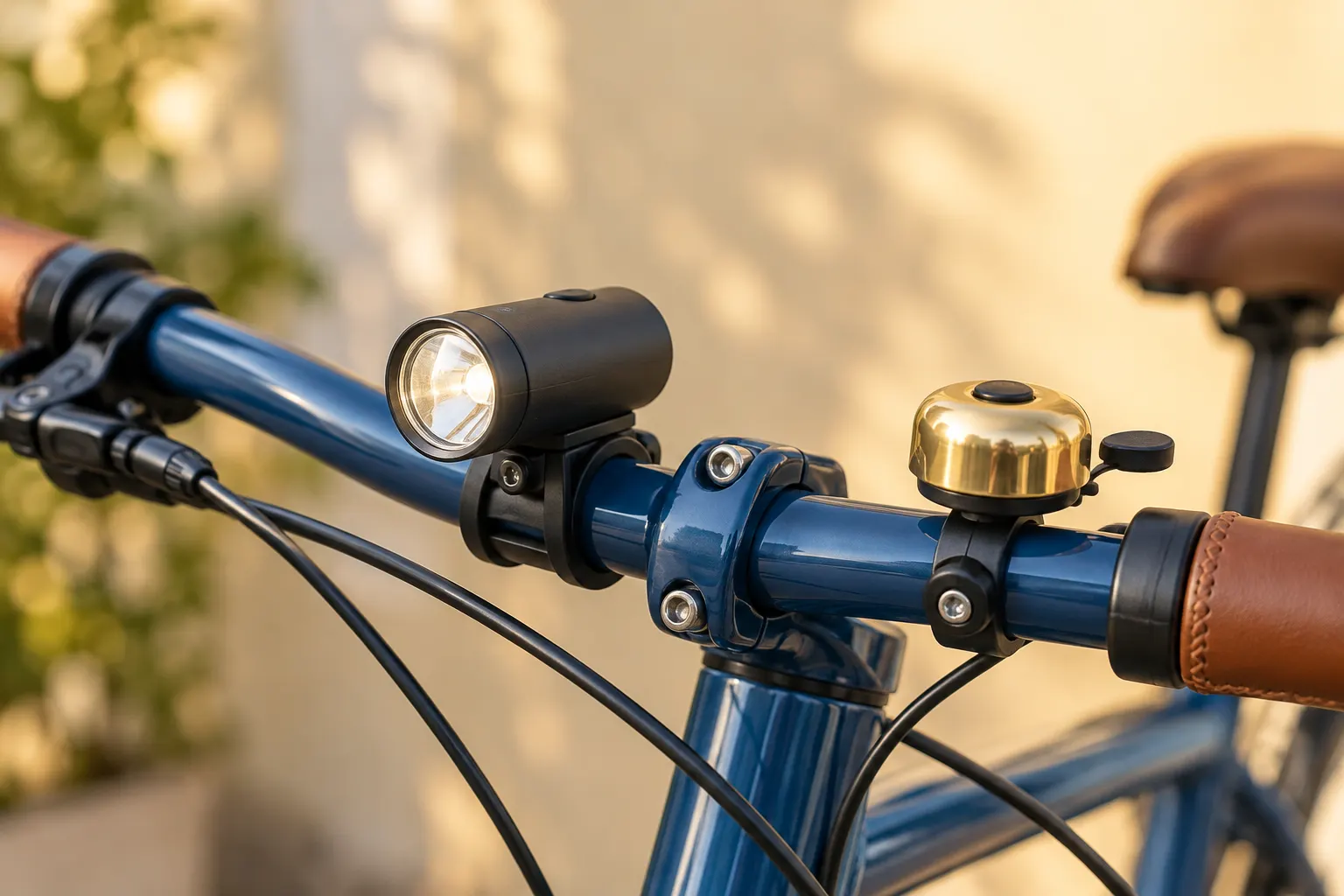
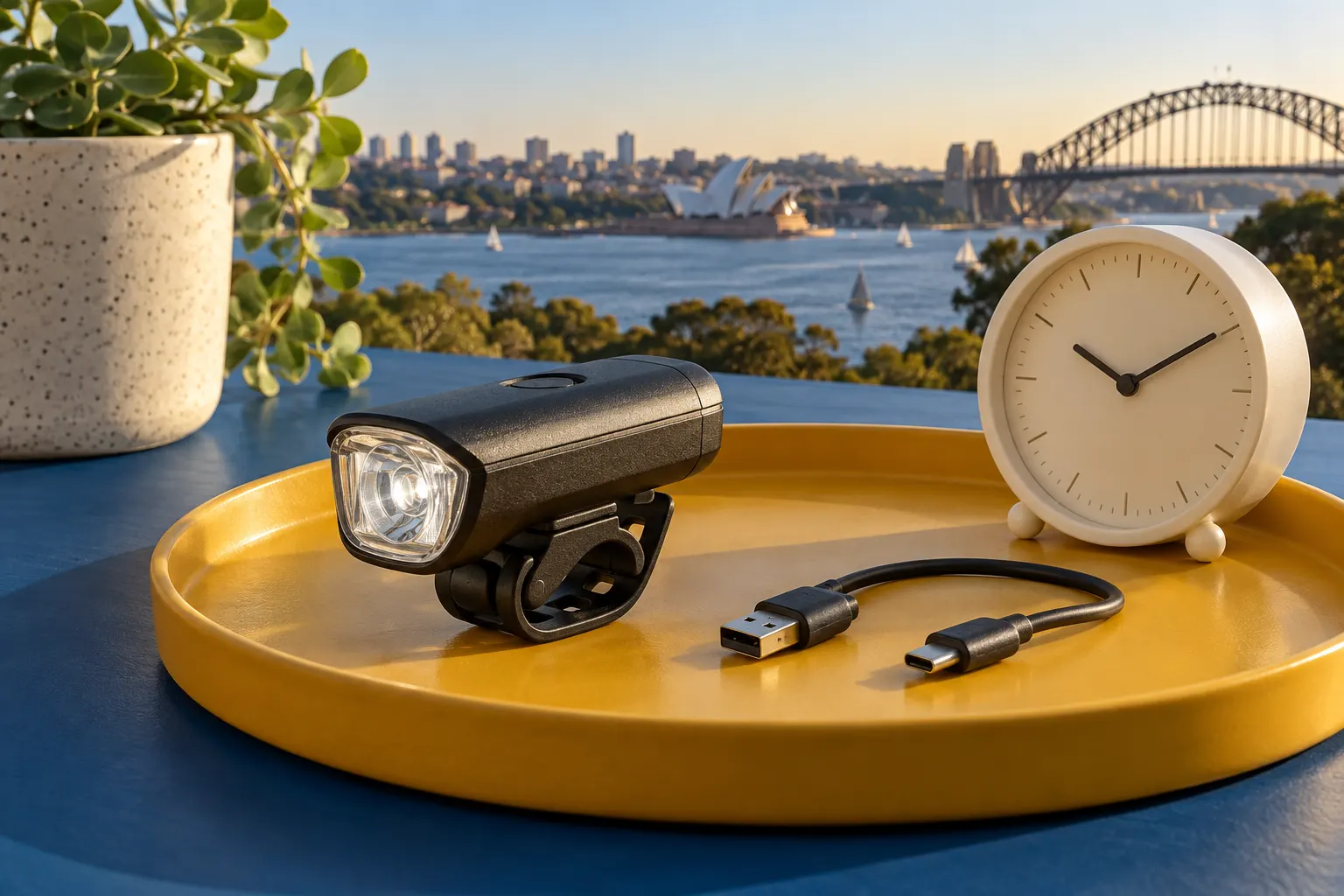
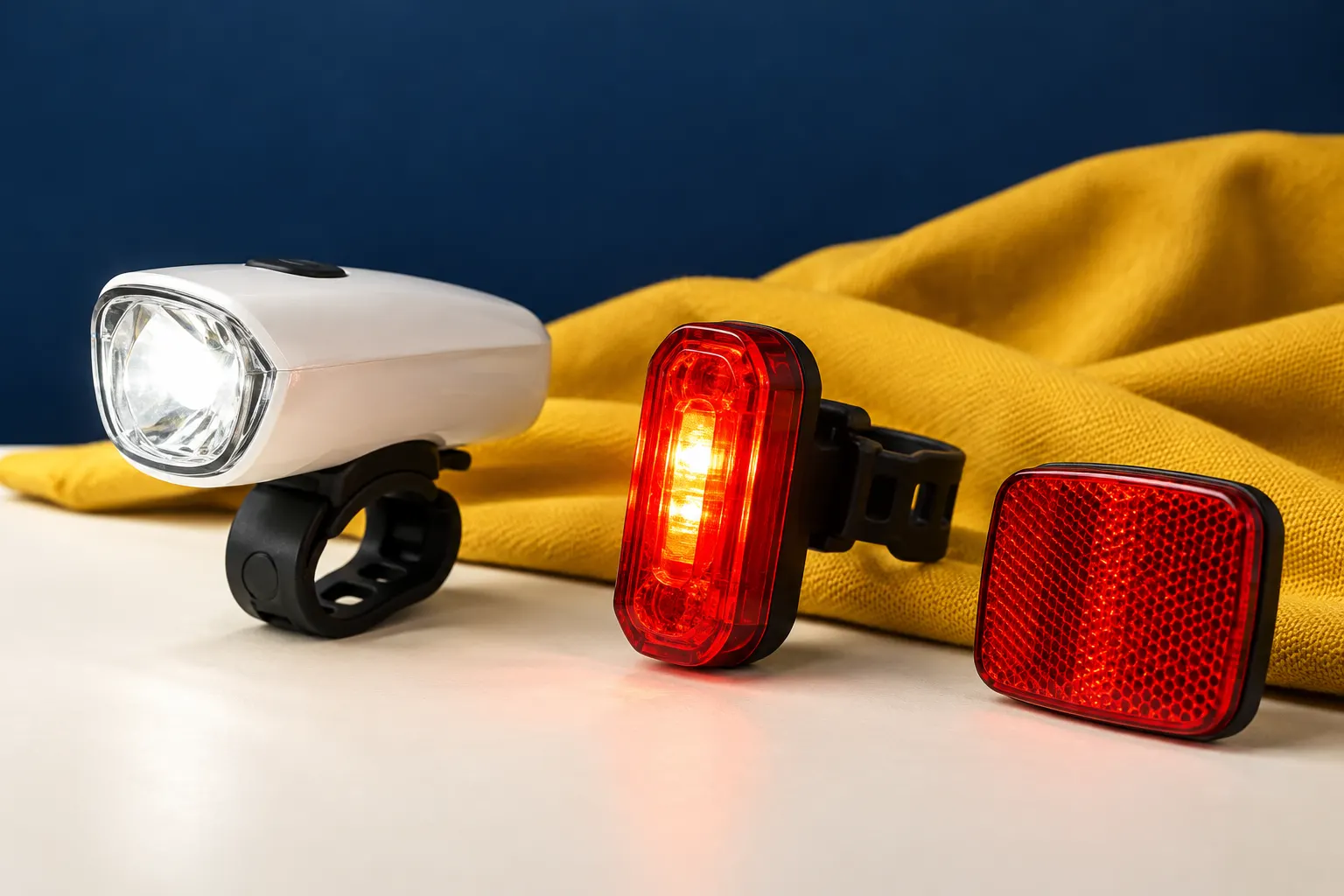
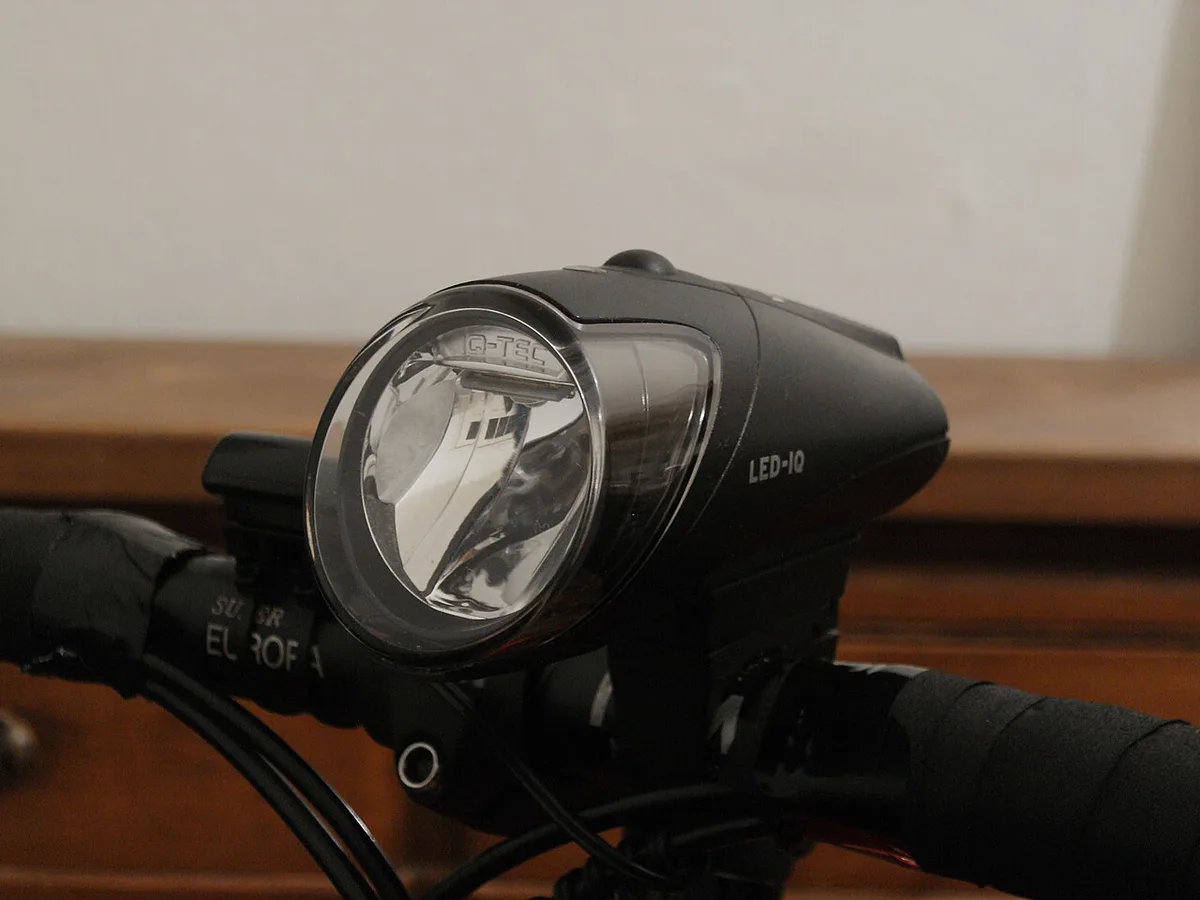
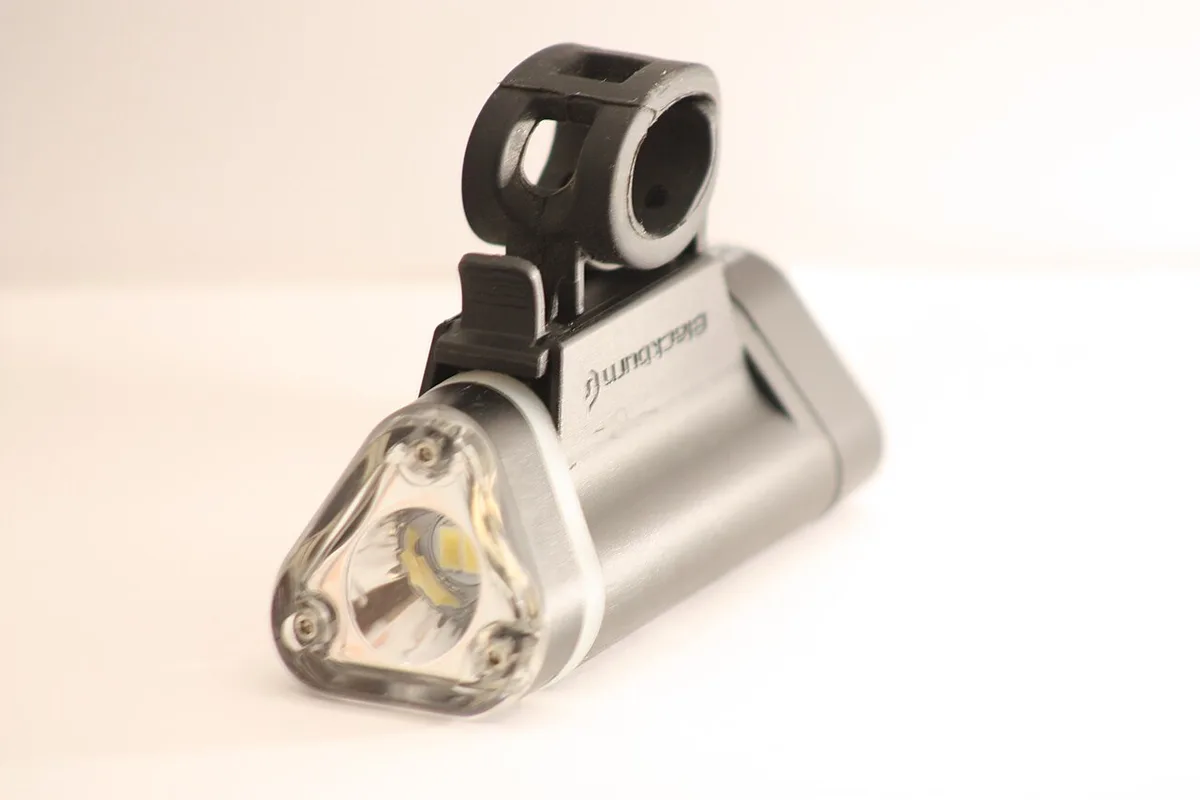
Runtime does not establish beam suitability, mounting compatibility or compliance with local visibility requirements. Those questions need their own evidence. The photographs in this article show other lights as documentary examples of housings and mounts; they are not the Knog product used for the numerical comparison. We have not tested the pictured equipment. Before buying, confirm the exact light and included mount, read the operating instructions and consider how the mode selection will be checked on the actual unit. A long duration in a flashing mode does not answer every lighting question.
Keep a practical comparison record
Make one row per candidate mode with the exact model, stated output, claimed duration and source date. Add a separate column for unresolved questions and any actual observations after purchase. Leave missing values blank rather than borrowing from a related product. Compare delivered AUD quotes only after the included equipment and relevant modes are clear. For use on a particular road or path, check the applicable official requirements and the manufacturer's instructions. This method supports an informed comparison, but it does not predict a guaranteed ride duration, validate a beam or recommend relying on a light until its advertised battery limit.
Open official model documentation ?