Check the drive and access before ordering a socket
Check the wrench drive, the fastener interface and physical access as separate questions before ordering workshop accessories.
Updated:
Name both ends of the accessory
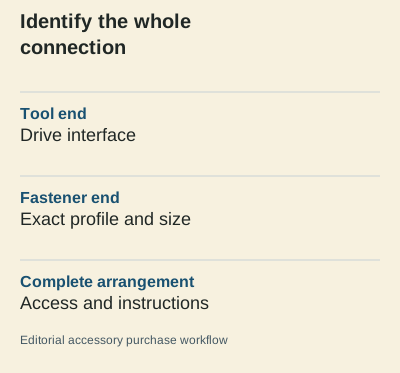
A socket or bit connects a tool to a fastener, and each end has its own specification. Start an accessory enquiry with the exact wrench and the exact fastener requirement from the component documentation. Record the drive interface separately from the bit profile and size. A photograph of a similar-looking accessory is not enough to establish the combination. If the required profile is unclear or the fastener is damaged, seek qualified help rather than experimenting with a tool that appears close.
Park Tool TW5.2 specification ?
Keep the wrench details together
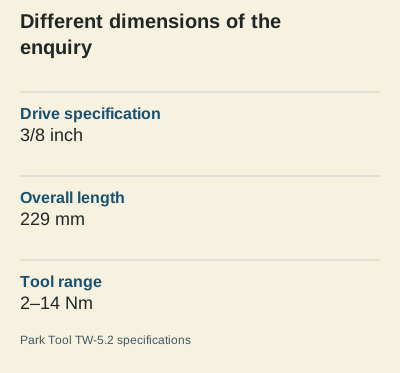
Park Tool's TW-5.2 page lists a 3/8 inch ratcheting drive, a 229 mm overall length and a stated torque range from 2 Nm to 14 Nm. These describe different aspects of the instrument. The drive size is not the size of the fastener interface, and the overall length is not a guarantee of clearance in a particular bicycle assembly. Record the values without merging them into a general suitable-for-bikes claim. Check the exact accessory and tool instructions for the proposed setup, including any restrictions that apply to the operation.
Consider access before filling the basket
A compatible interface can still leave a physical-access question. The surrounding component, cable routing or the shape of the tool may prevent the documented approach. Ask a qualified mechanic or the relevant manufacturer to assess an uncertain arrangement with the actual equipment available. Do not infer clearance from a product photograph with no scale, and do not improvise an extension arrangement from an unrelated online example. Some accessories can change how a measuring tool is used, so the complete setup needs to be considered rather than only the part that fits into the drive.
Use the photographs for identification only
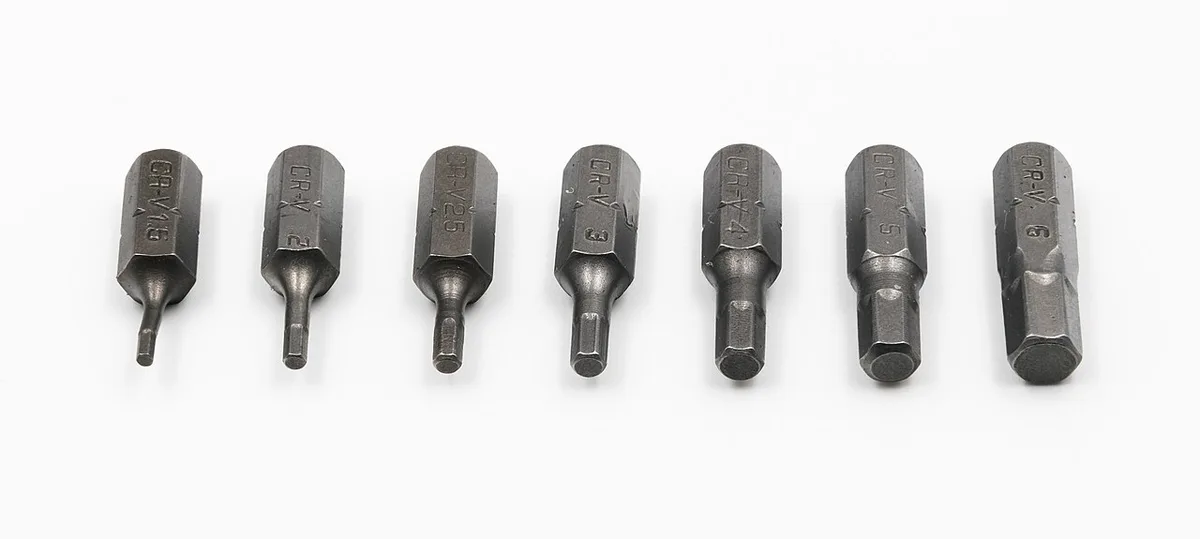
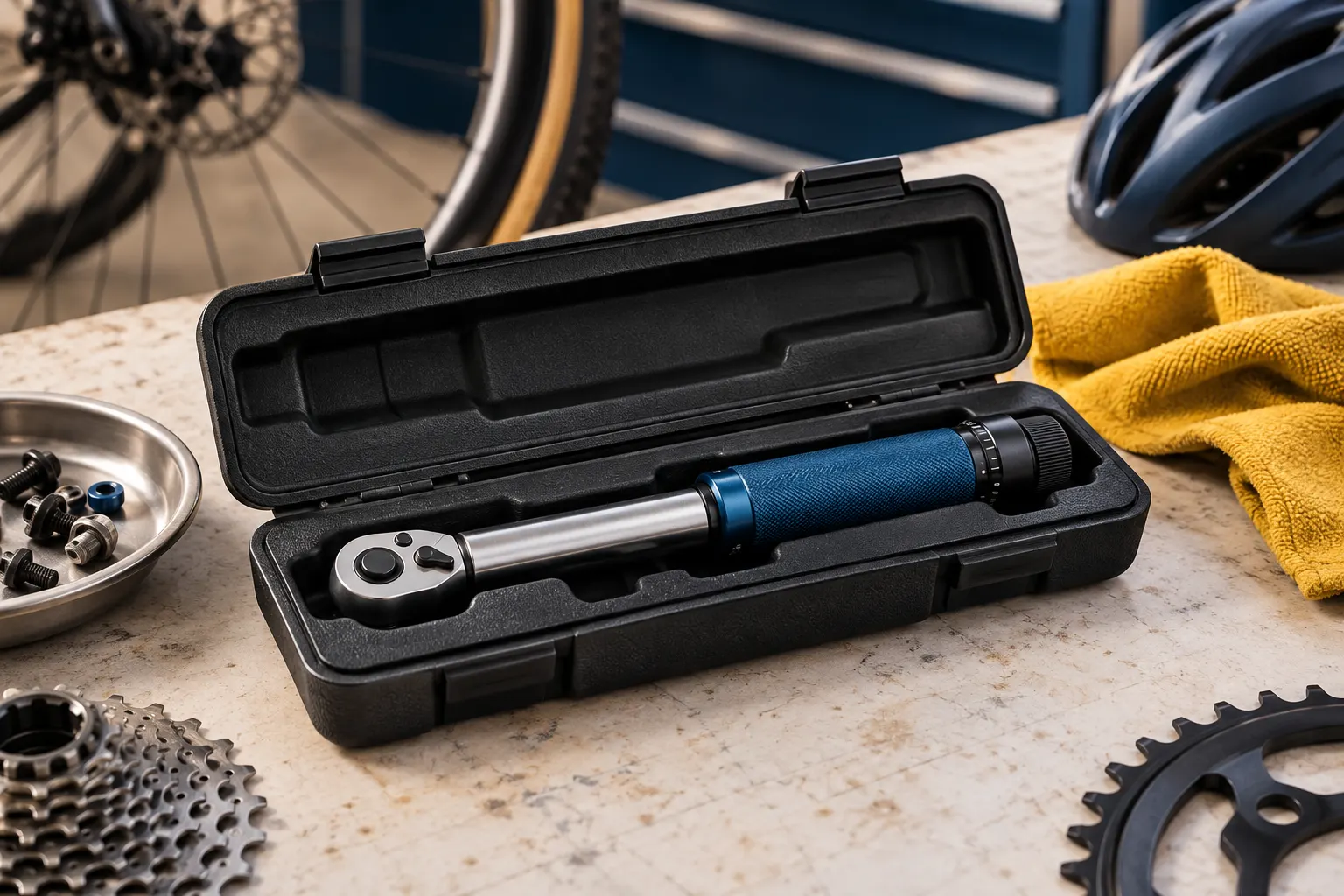
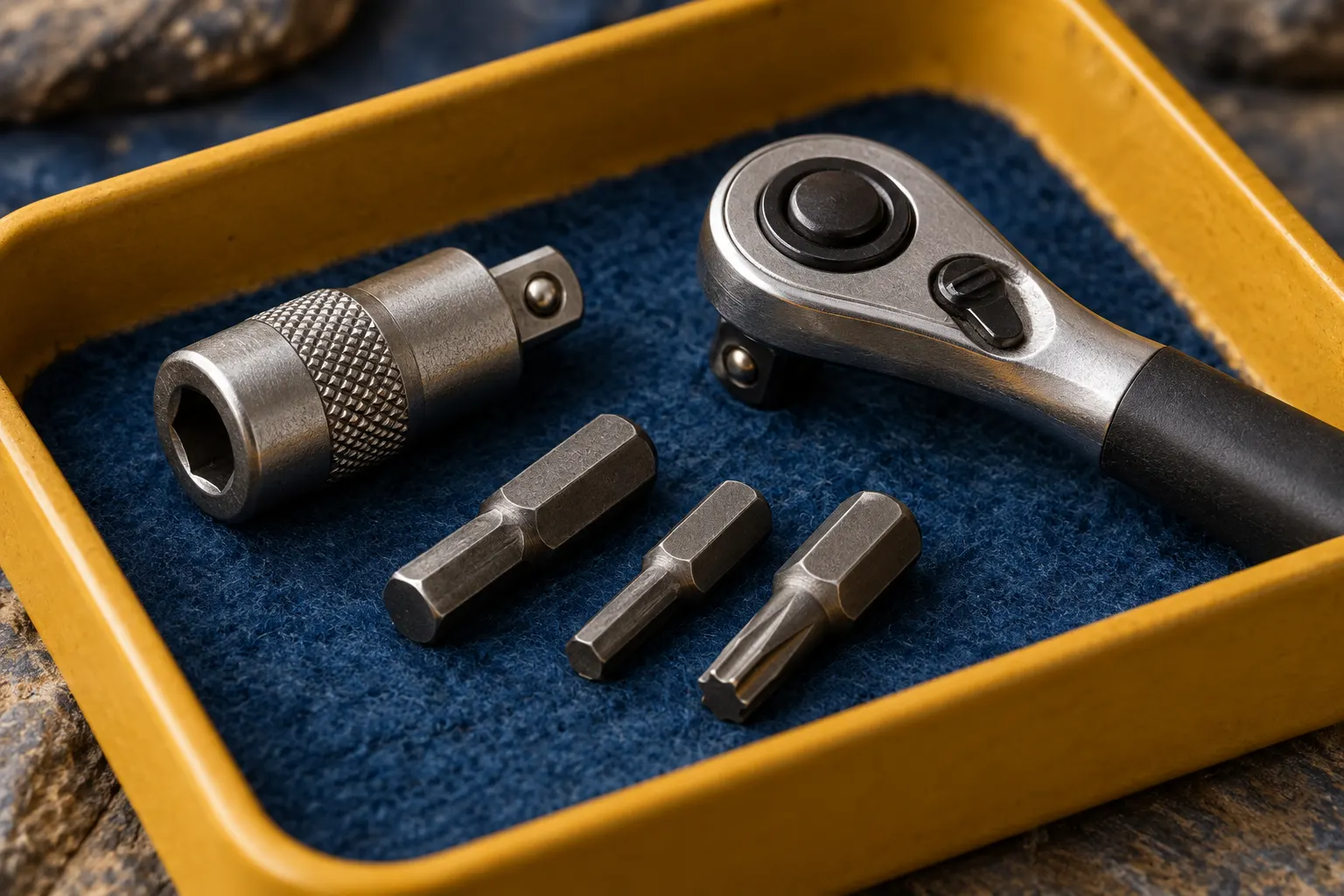
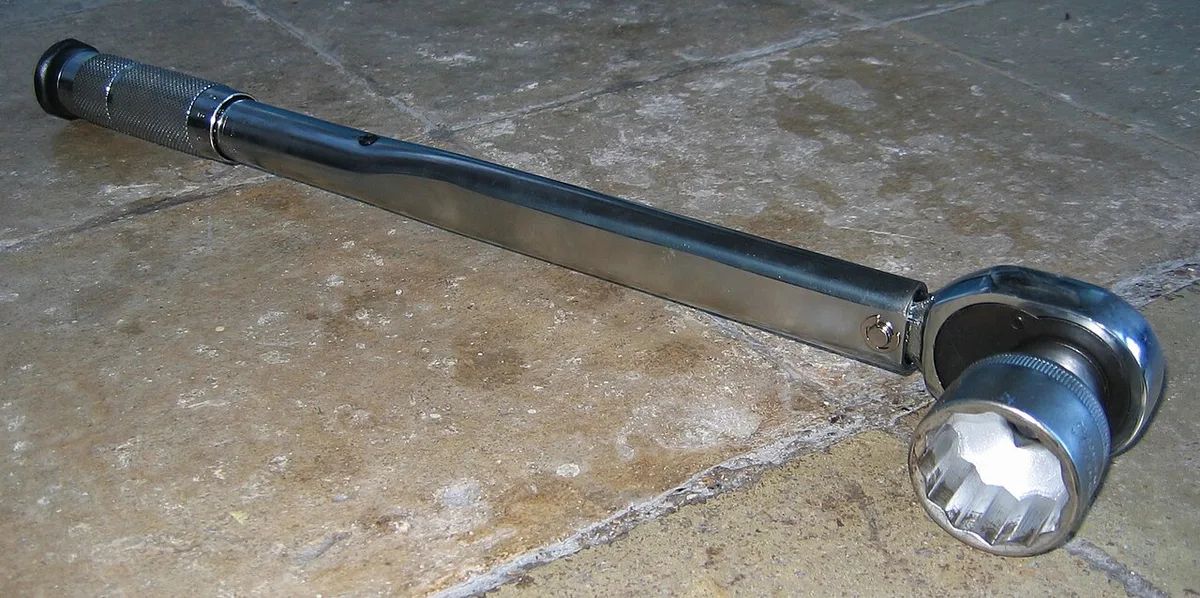
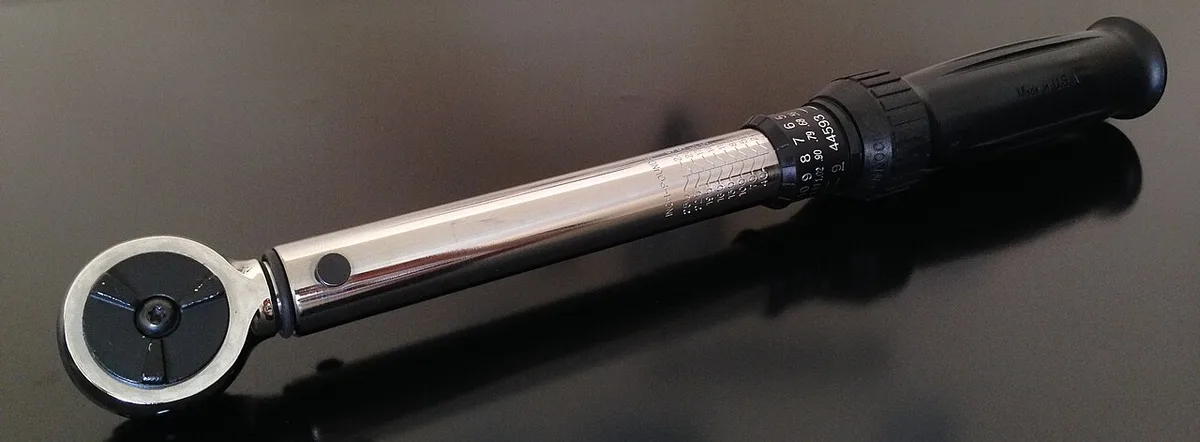
The documentary images show different torque wrenches and a row of hex driver bits. They illustrate why an accessory has its own shape and identity, but they are not a compatible kit selected or tested by this publication. None of the photographs establishes that the pictured bits fit the TW-5.2 or any particular bicycle fastener. Keep actual model numbers and specifications in your purchase file. When an enquiry uses a picture, include the written identifiers as well so the response does not depend on visual resemblance.
Compare the complete tool package
Once the requirements are clear, ask the seller to list the exact compatible accessories included with the wrench or sold separately. Keep the response and compare the delivered AUD total for the same package. Check the delivered items against the order before use, retaining packaging identifiers where the invoice is abbreviated. An accessory set with more pieces is not automatically more useful if it omits the documented interface you need. This workflow supports an accurate order; it does not verify calibration, prescribe a fastening method or replace the component instructions and the competence required for safety-critical bicycle work. Retain the accessory specification sheet alongside the invoice for future identification.
Open official model documentation ?