Read torque increments without rounding a component requirement
Distinguish a torque wrench's range, adjustment increment and accuracy claim without rounding a component requirement to suit the tool.
Updated:
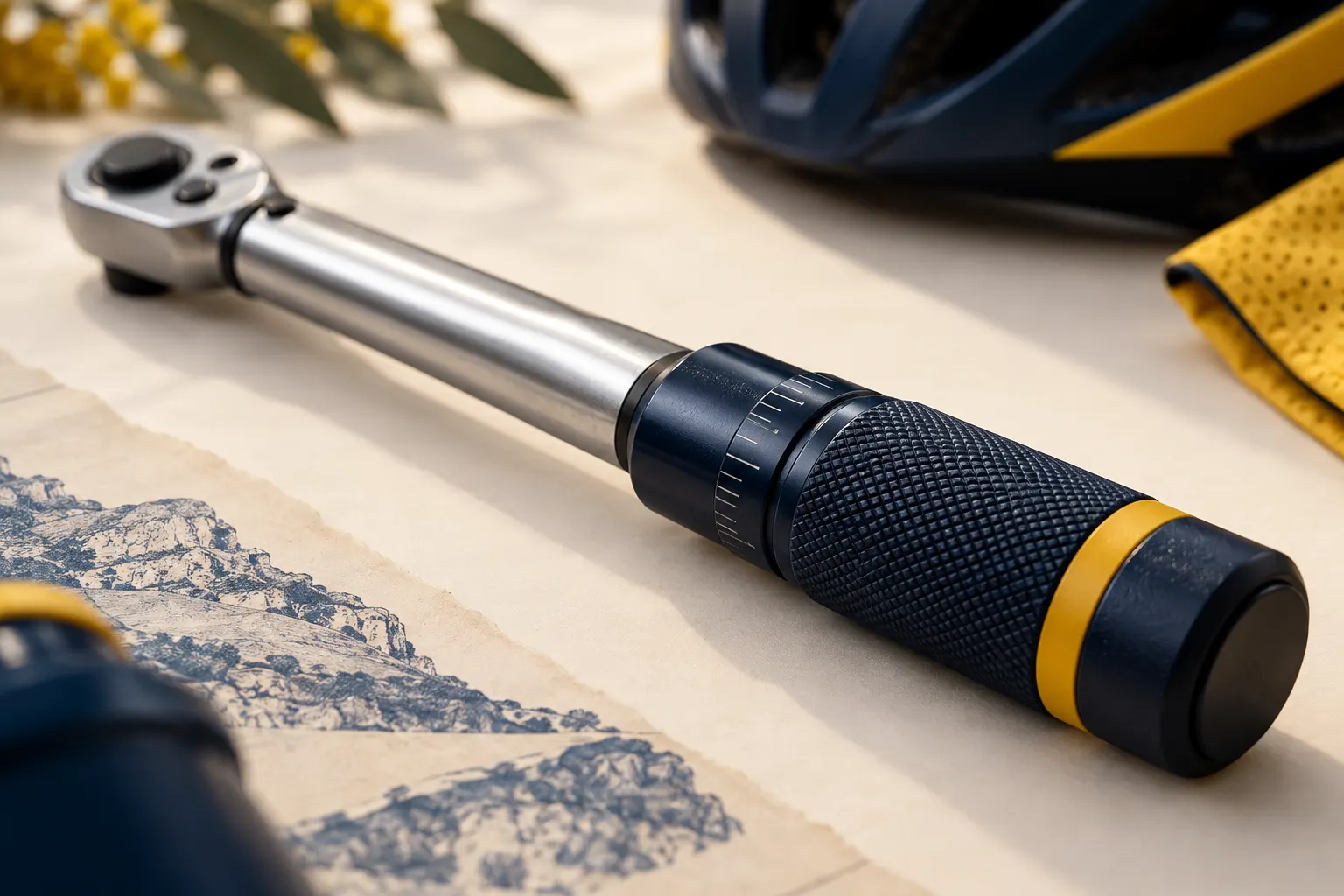
Do not let the scale choose the requirement
When selecting a torque wrench, begin with the component manufacturer's documented requirement and the exact operation. Keep the original unit and wording. A scale that is easy to read does not decide which setting is appropriate, and the existence of a nearby mark is not permission to round. If the required setting cannot be resolved with the tool and instructions under consideration, ask the manufacturer or a qualified mechanic. Treat that as a tool-selection question rather than adjusting the component requirement to fit your shopping choice.
Park Tool TW5.2 specification ?
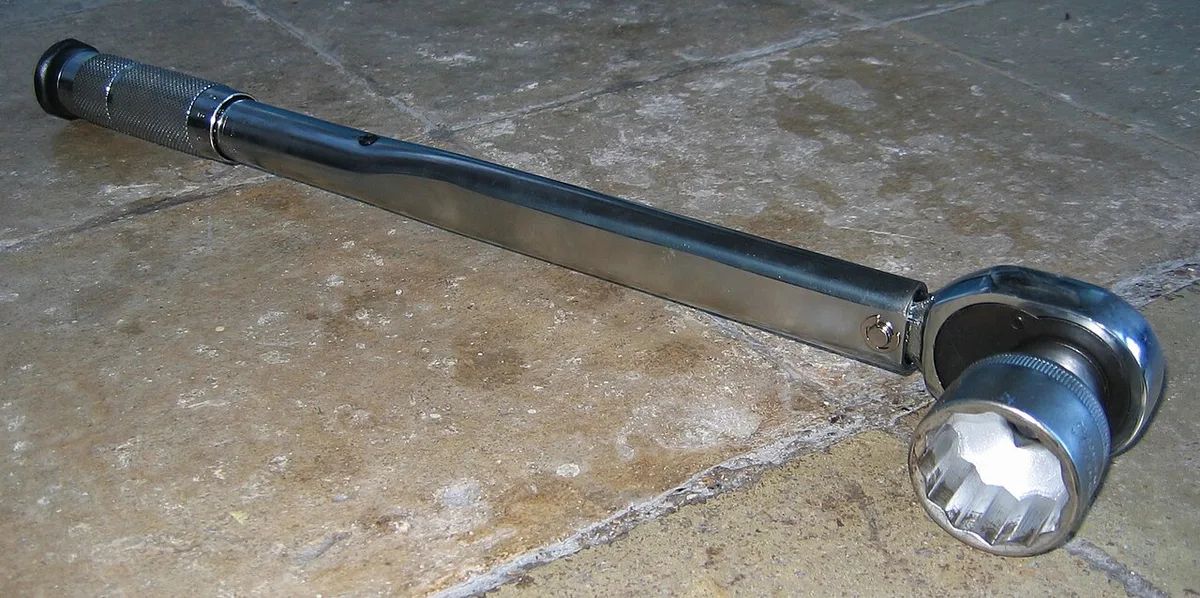
Separate three different specifications
Park Tool lists the TW-5.2 with a 2 Nm lower range limit, a 14 Nm upper limit and 0.2 Nm adjustment increments. It also publishes an accuracy claim of plus or minus 4%. Range, increment and accuracy are different concepts. The range describes the stated operating span; the increment describes adjustment steps; the accuracy claim has its own manufacturer context. A fine-looking scale is not evidence of perfect accuracy. This publication has not calibrated or tested the instrument and does not turn the specification into an individual tool certificate.
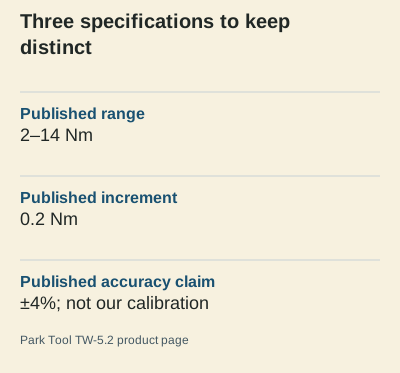
Use arithmetic only to explain the scale
For an illustrative reading exercise, the difference between 4.0 Nm and 4.2 Nm is 0.2 Nm. That demonstrates the stated step size without identifying either value as appropriate for a bicycle component. Do not use this example as a fastening instruction. Likewise, avoid constructing an acceptable tightening interval from the percentage claim and assuming that the component permits every value inside it. The component requirement and the instrument's measurement behaviour remain separate. Any uncertainty about how to satisfy the actual instructions needs an answer from the appropriate manufacturer or a qualified professional.
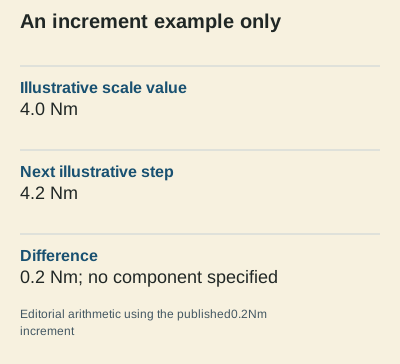
Check the exact instrument and its condition
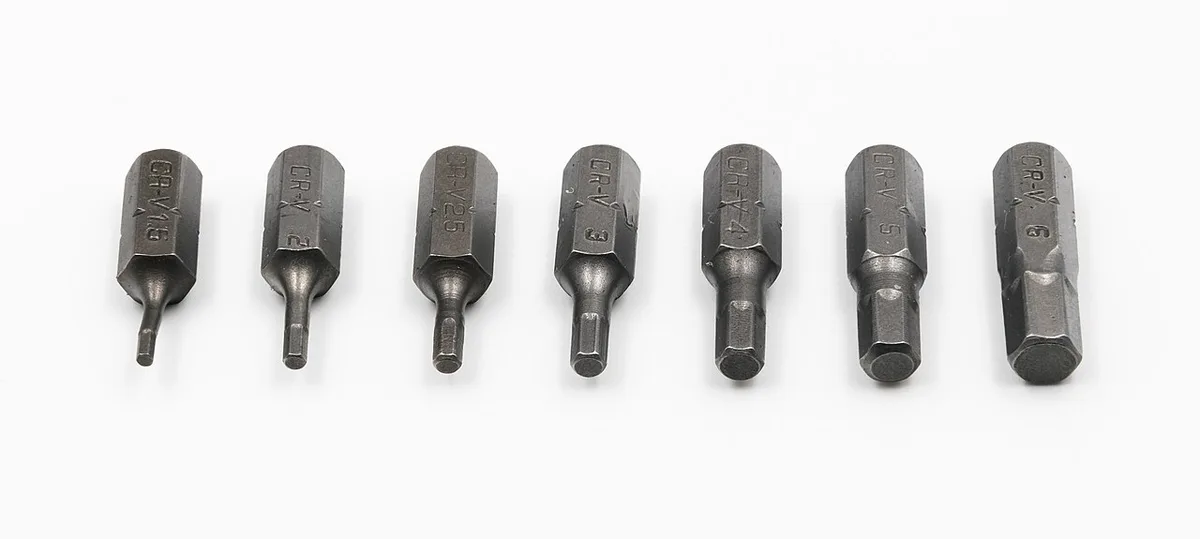
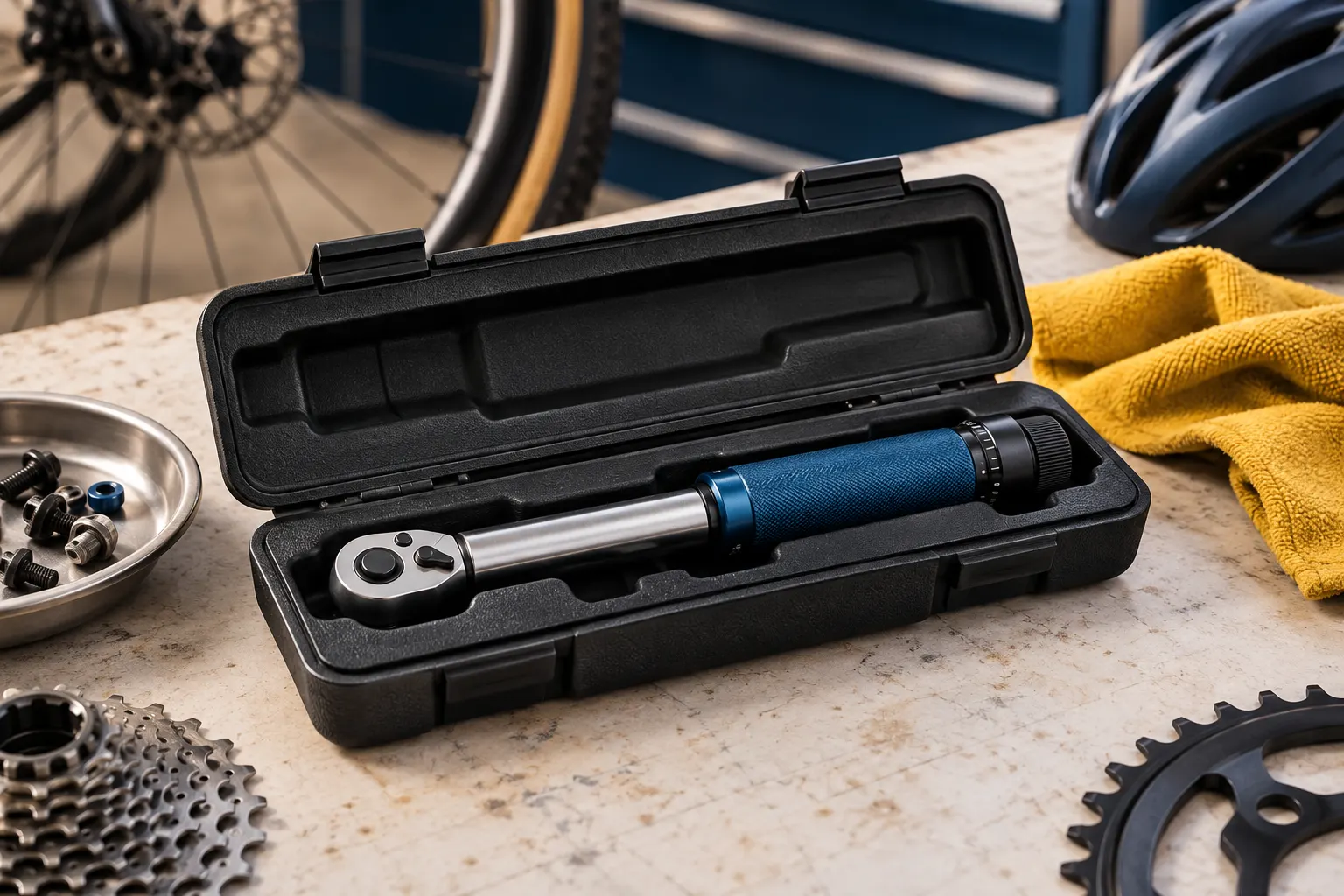
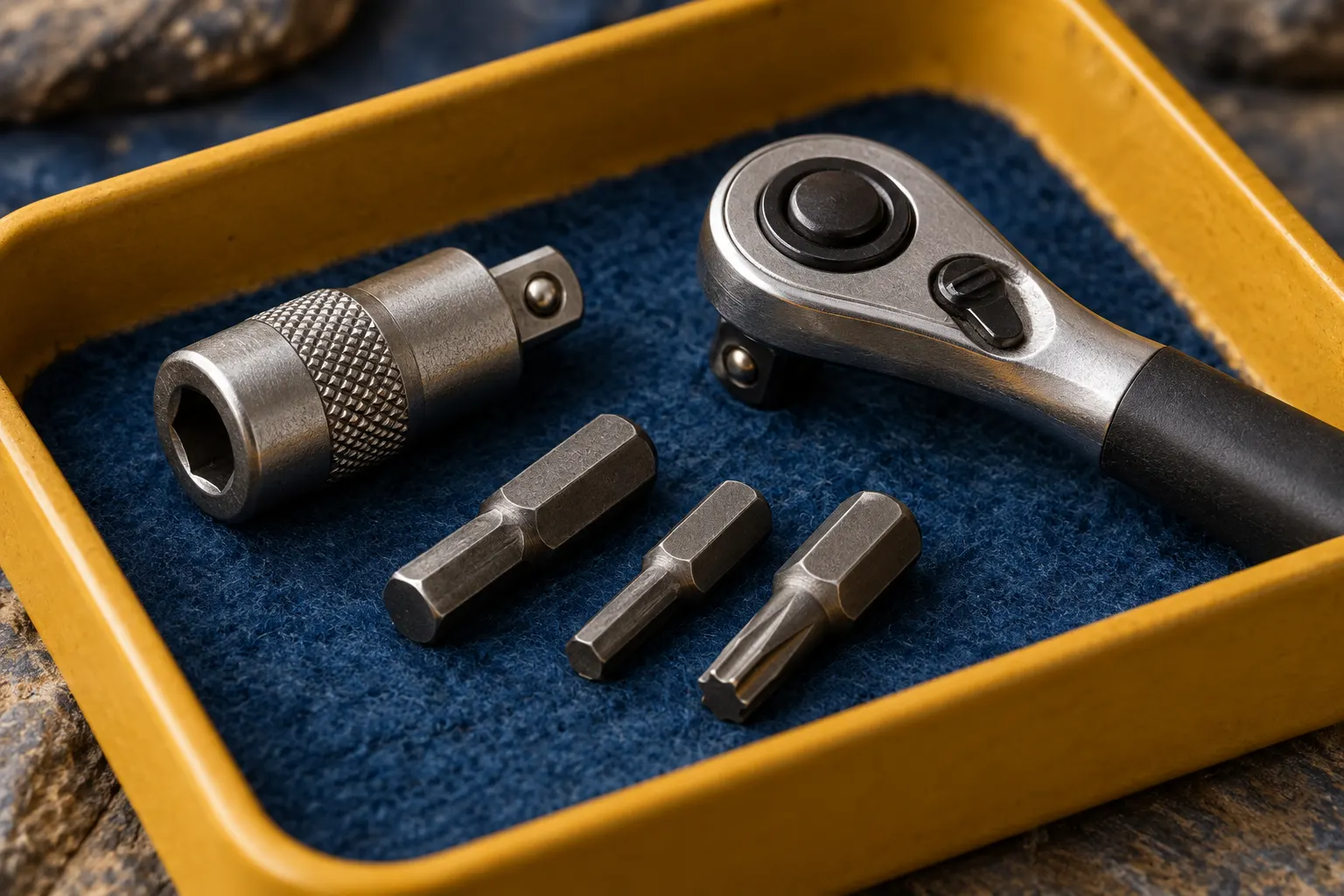
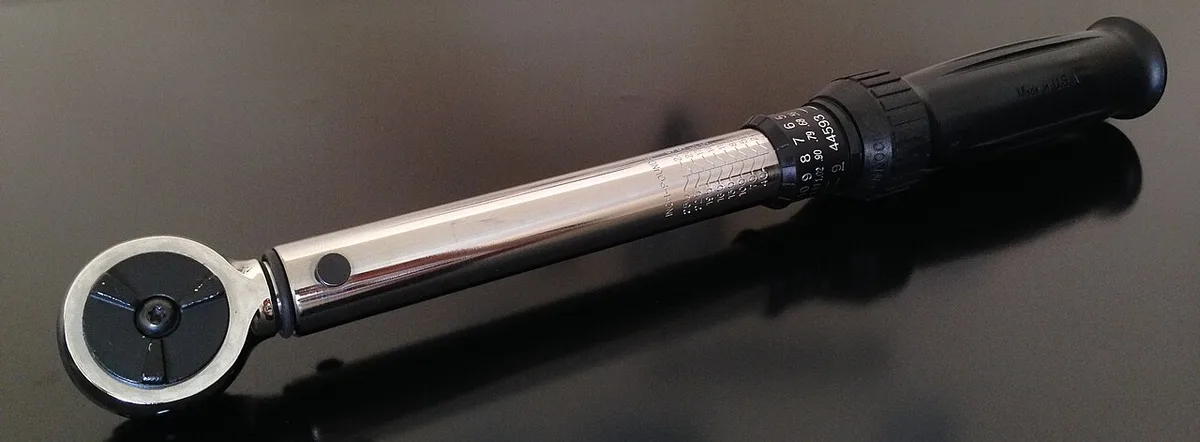
The model identifier matters because another wrench may use a different range, scale or operating method. A used tool's history, storage and service information also matter and cannot be inferred from a new-product page. Keep the exact documentation with the instrument rather than relying on an image search of a similar handle. The archive photographs in this guide show different torque wrenches and driver bits. They provide visual context only; we have not checked their accuracy or suitability, and their markings should not be substituted for the TW-5.2 specification.
Write a comparison that exposes uncertainty
Create separate fields for range, adjustment increment, manufacturer accuracy statement, required accessories and unresolved questions. Add the source and date for each candidate. Compare the actual component requirement against that record before ordering, and keep any manufacturer clarification with it. Do not rank tools solely by the smallest increment or a familiar percentage. A useful purchase decision also considers whether the exact work can be performed correctly with the documented setup and appropriate competence. This guide supports that enquiry, but it does not recommend a torque setting, validate a rounding method or certify a completed installation.
Open official model documentation ?