Choose a torque wrench around the required range
Compare a torque wrench's documented range with the exact component requirement before selecting a tool.
Updated:
Find the component requirement first
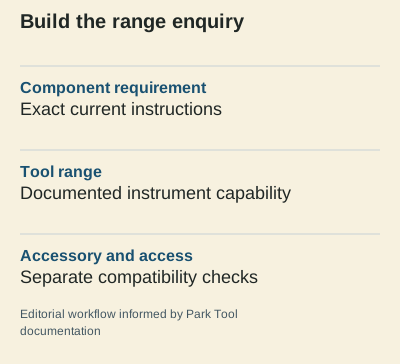
A torque wrench should be selected for a documented job, not used to invent the job's setting. Identify the exact component, fastener and current manufacturer's instructions before comparing tools. Record the specified unit and any conditions that accompany the requirement. If the documentation is missing, conflicting or unclear, obtain qualified mechanical advice rather than choosing a number from a similar bicycle. This buying guide explains how to organise a range comparison; it is not a tightening procedure or a general table of bicycle torque settings.
Park Tool TW5.2 specification ? Park Tool torque wrench use and care ?
Read both ends of the tool range
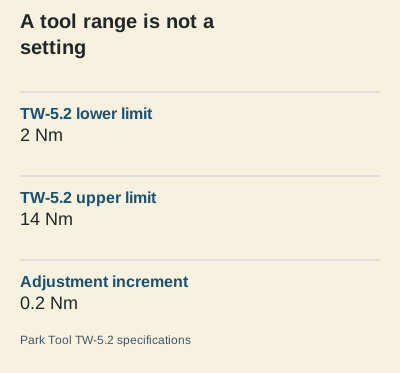
Park Tool lists the TW-5.2 range as 2 Nm to 14 Nm, with adjustment in 0.2 Nm increments. Those figures describe the measuring tool. They do not say what any particular stem, seatpost or other component requires. Put the lower and upper limits beside the actual documented requirement and check the tool instructions for the intended operation. Do not extrapolate below the range or use the top of the scale as a convenient default. A tool with an appropriate-looking name can still be unsuitable for the specific job or required precision.
Keep range separate from the other specifications
The same product page gives a 3/8 inch drive and a length of 229 mm. These details raise separate questions about the required socket or bit and the space available around the fastener. A range match does not establish that an accessory will fit, that access is adequate or that the complete setup is appropriate. Keep those questions visible in the tool comparison rather than treating the range as an overall pass. Ask the tool manufacturer or a qualified mechanic when the proposed arrangement includes unfamiliar accessories or an awkward approach.
Treat the wrench as a measuring instrument
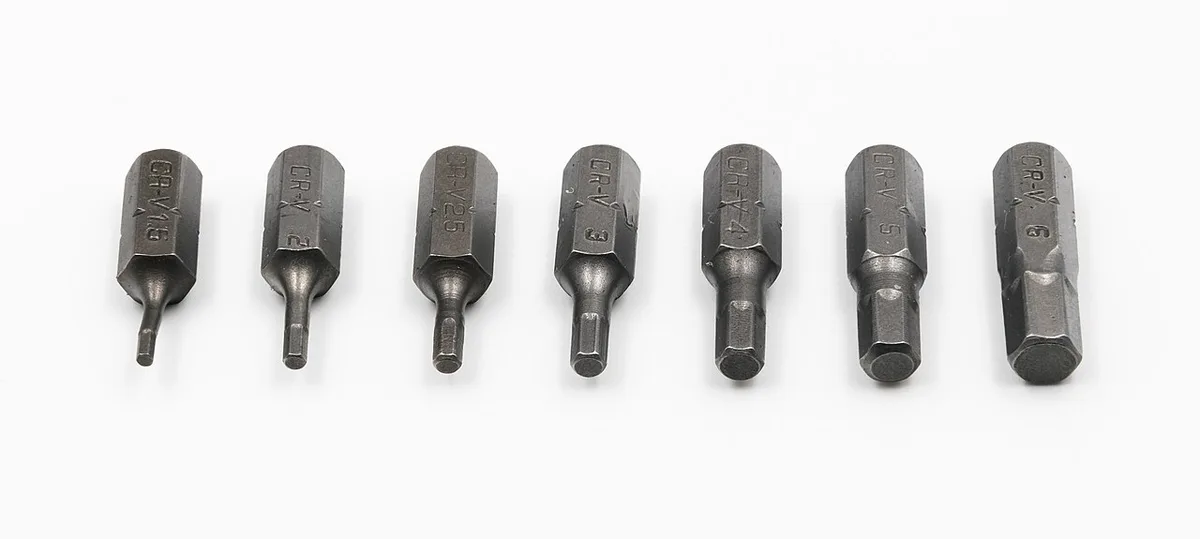
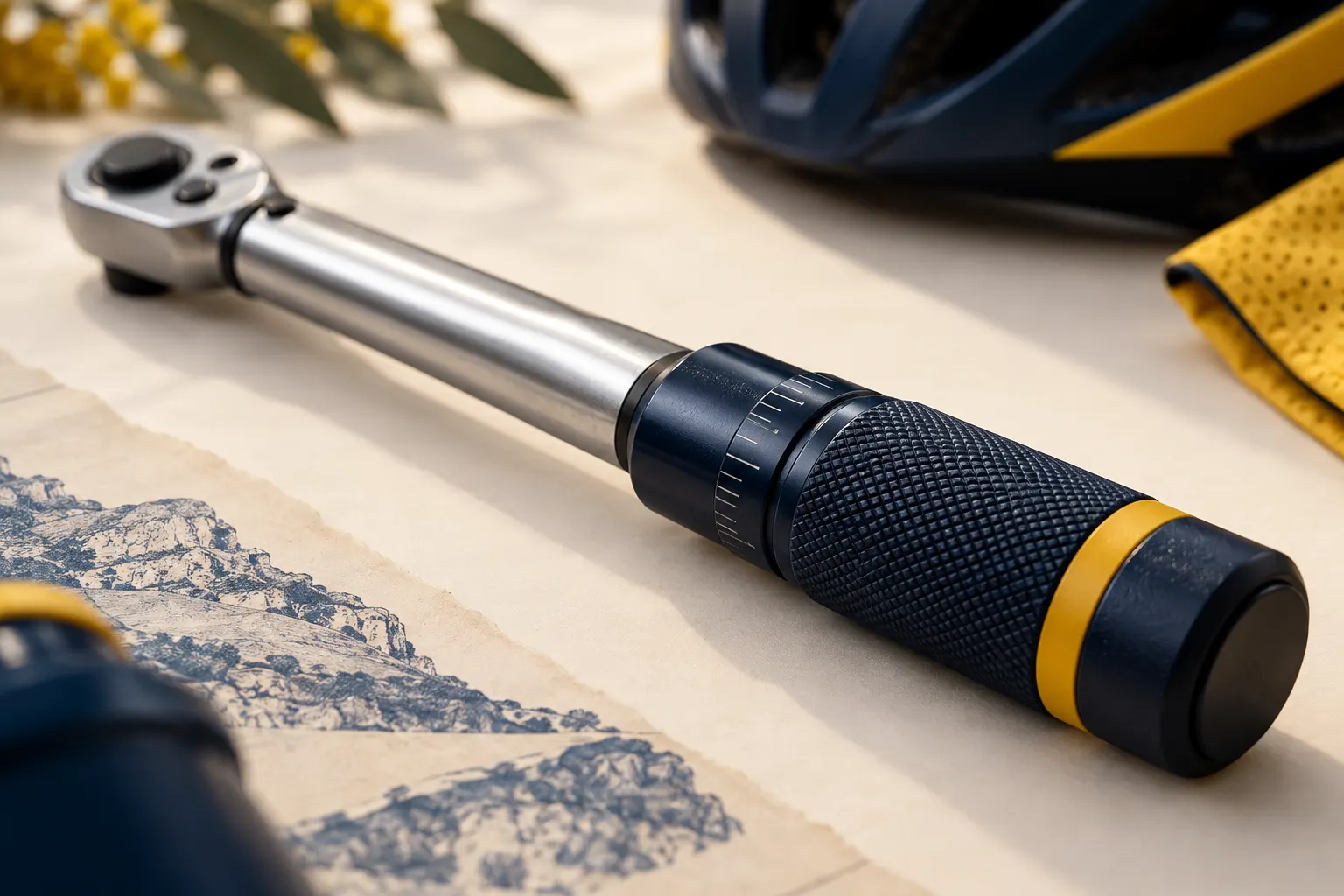
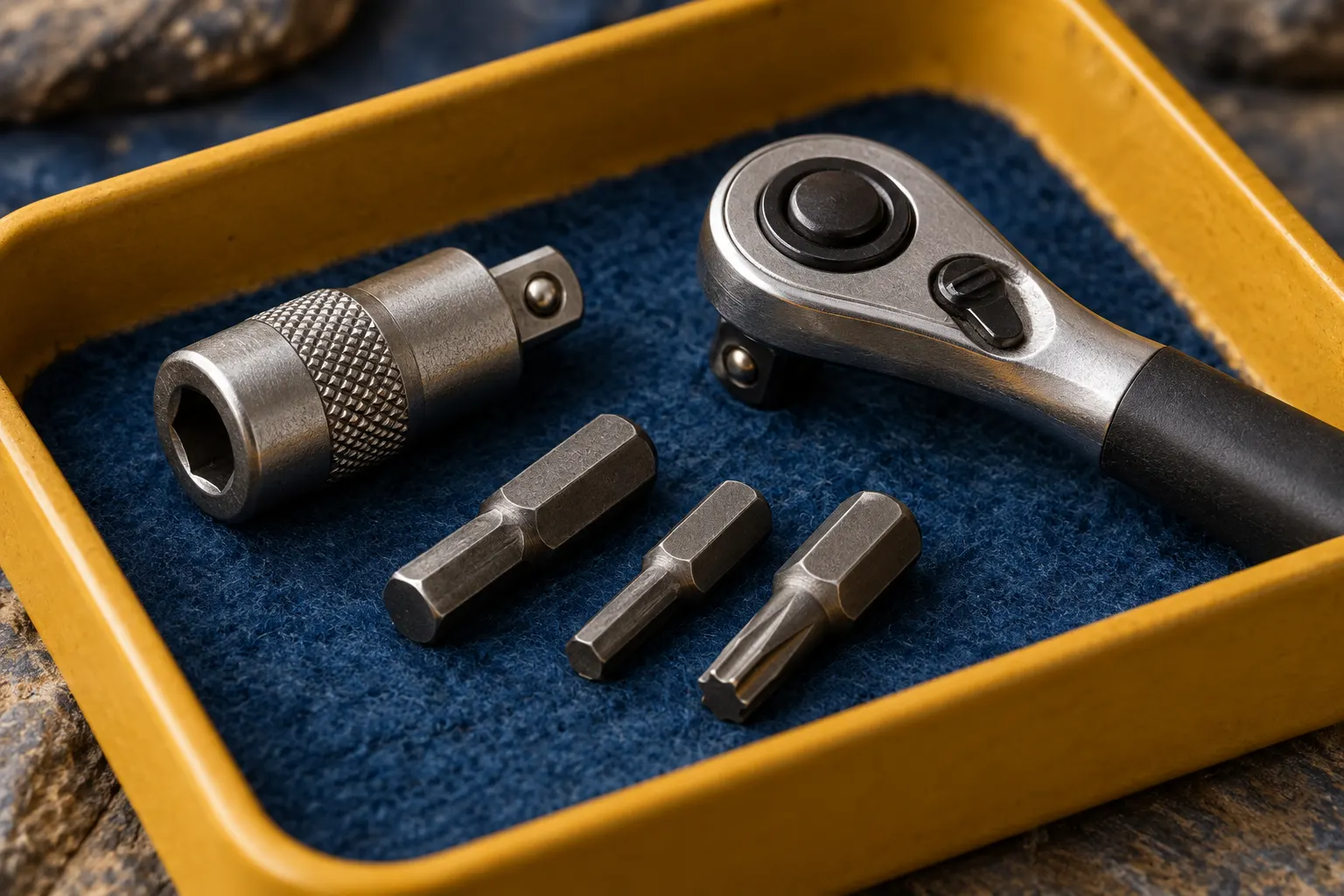
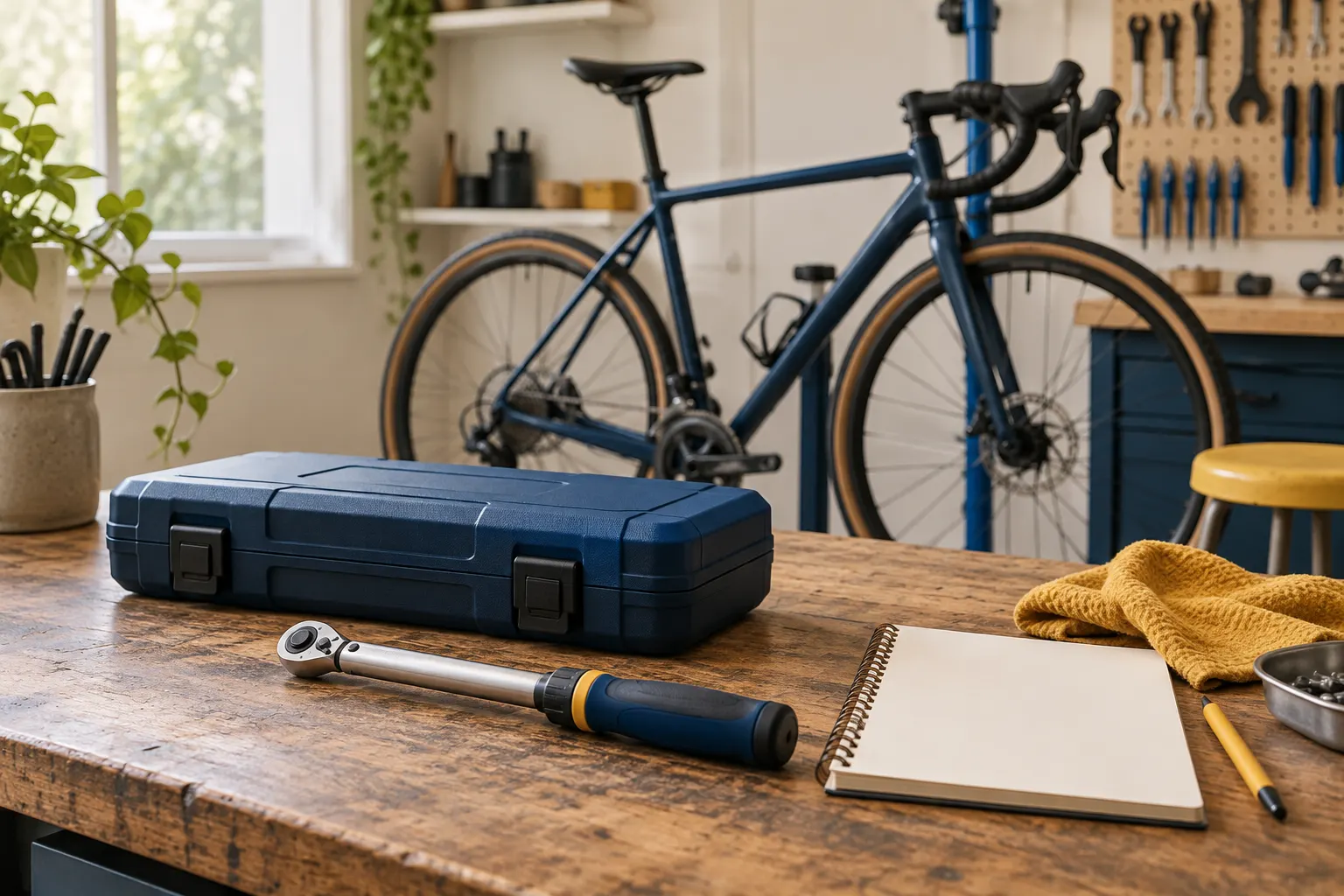
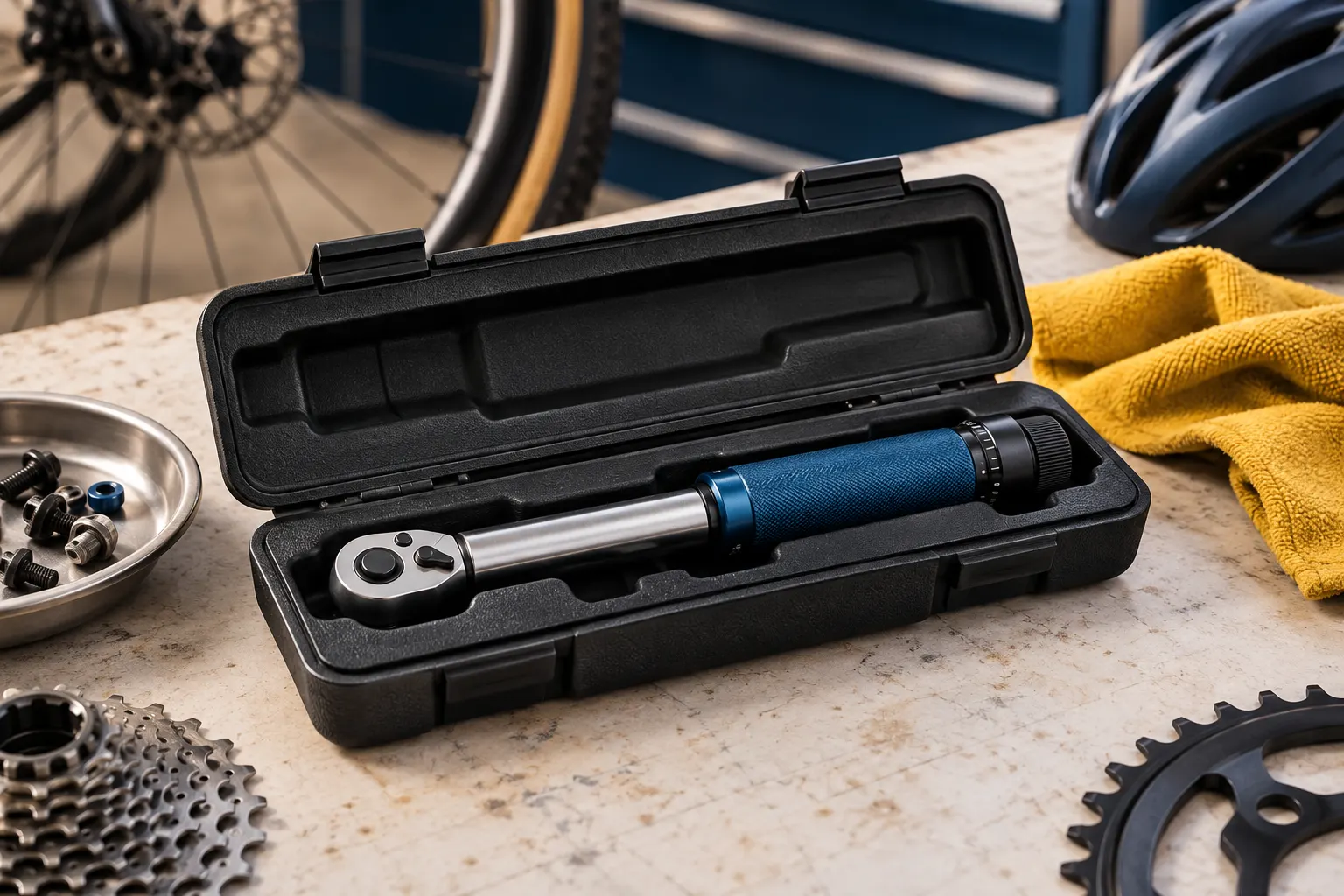
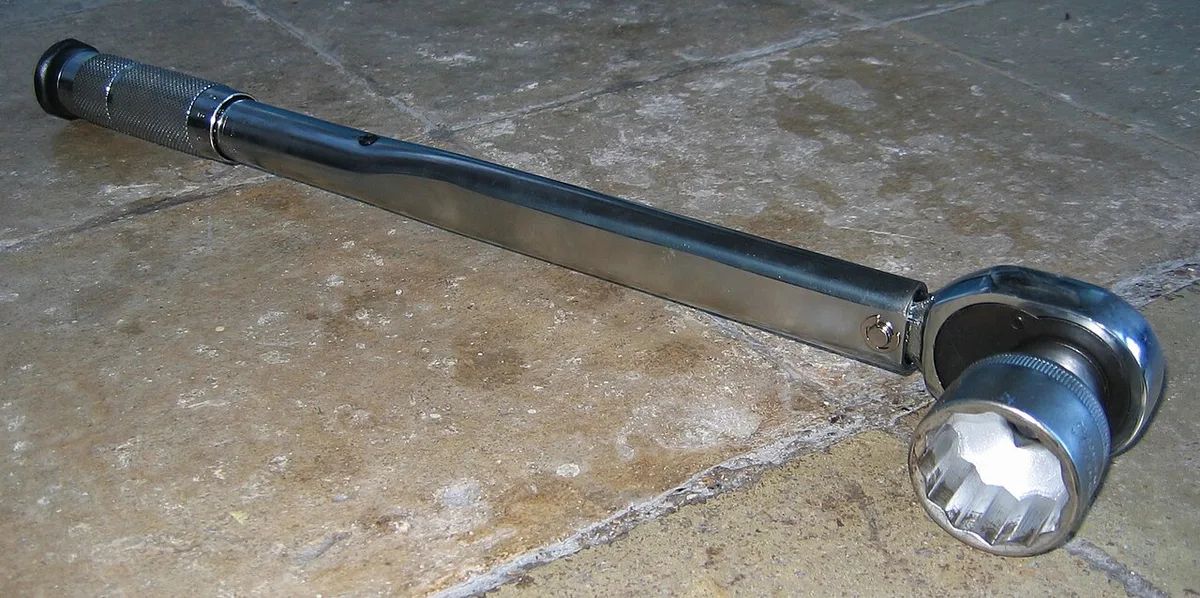
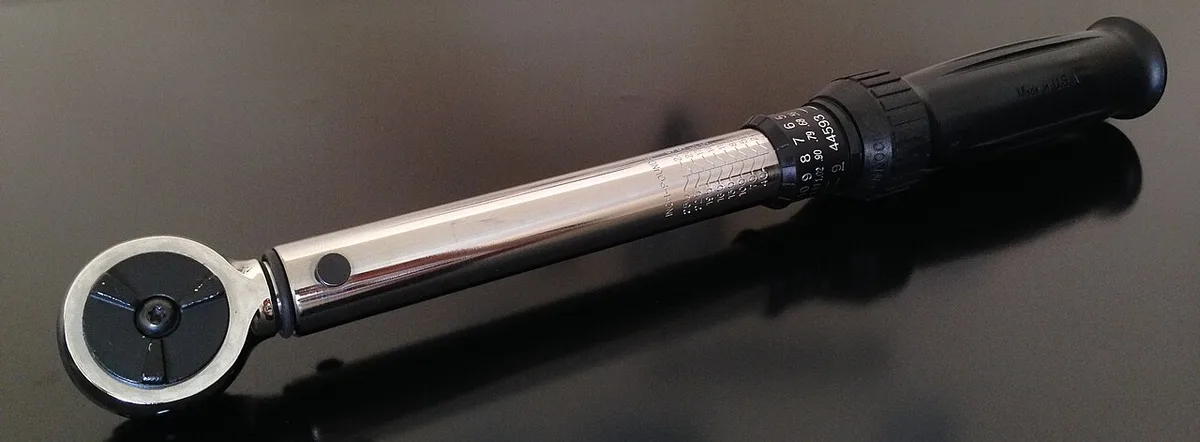
Park Tool warns that torque wrenches are not intended as general-purpose ratcheting drivers. Read the exact tool's use and care instructions, including storage and service information, before making it part of a home workshop. A previously owned instrument also raises questions about history and condition that a product specification cannot answer. The photographs here show other tools as documentary examples. They are not the TW-5.2, and this publication has not checked their ranges, calibration or suitability for bicycle work. Do not infer a procedure from their arrangement.
Compare a complete and supported purchase
Record the exact wrench, required compatible accessories, documentation and any service support identified by the seller. Compare the delivered AUD total for that package, with missing pieces clearly marked. Retain the model and instructions after purchase so later enquiries refer to the right instrument. If the actual job falls outside the documented capabilities or your competence, use qualified help rather than modifying the task to suit the tool already on hand. A careful comparison can reduce an unsuitable purchase, but it does not verify calibration, authorise an installation or replace the component manufacturer's requirements. Save the order identifiers so a later service enquiry can identify the supplied model accurately.
Open official model documentation ? Open official model documentation ?