Keep the torque-tool record separate from the service record
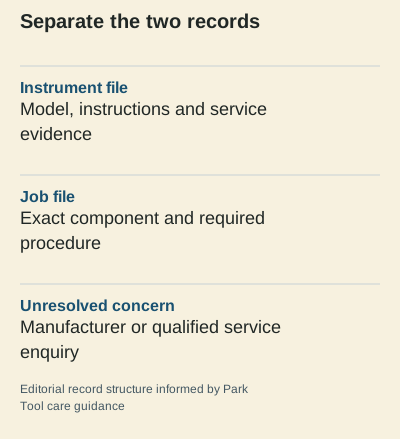
Keep the measuring tool's instructions, history and service record separate from the bicycle work performed with it.
Updated:
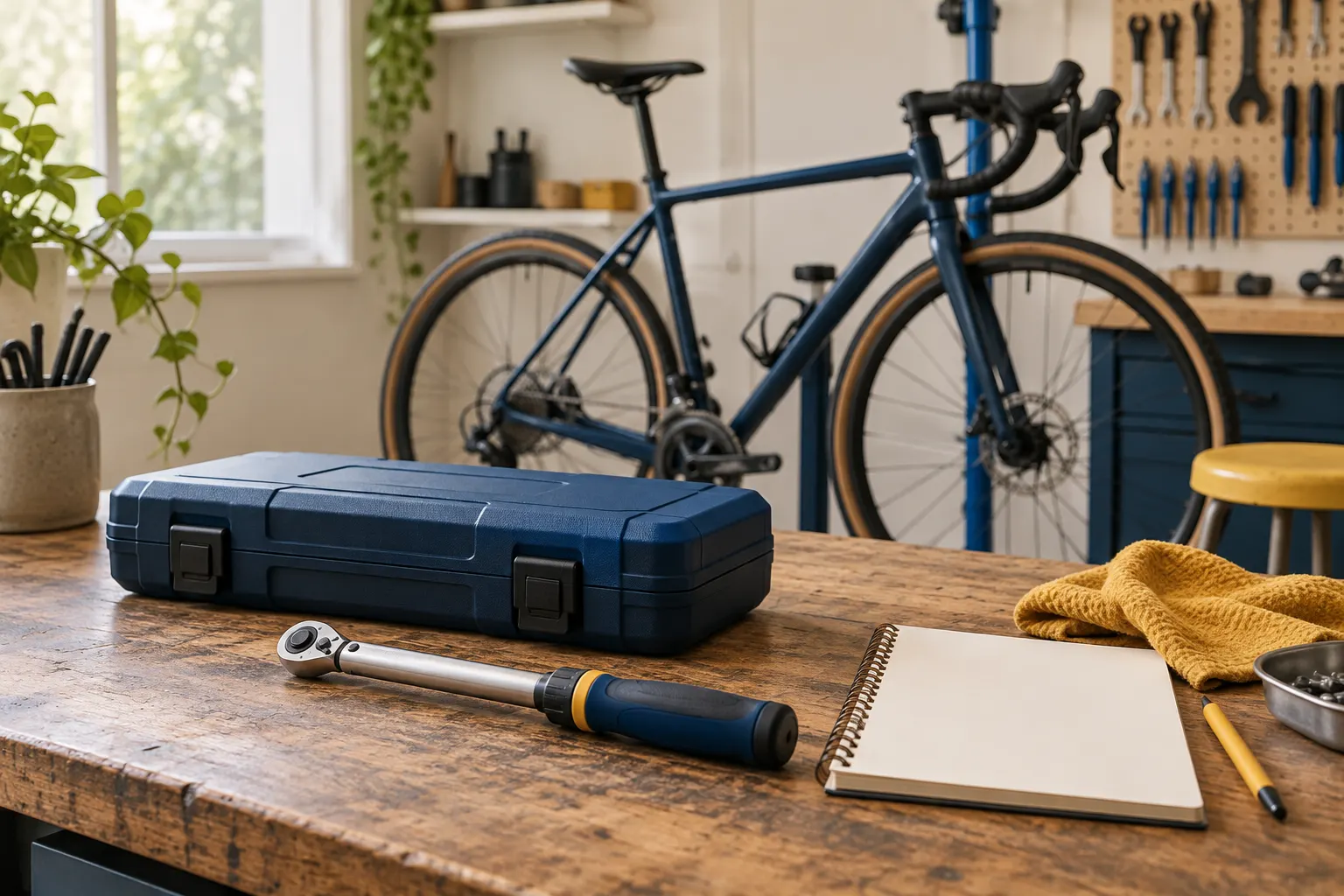
Create an instrument record before a job log
A bicycle maintenance note and a torque-tool record serve different purposes. The first describes work on the bicycle; the second identifies the measuring instrument and its documentation, history and service information. Start with the exact model, purchase source and supplied instructions. Keep these details with the tool rather than only in a general workshop folder. If an instrument changes hands, a clear record can expose missing history, but it cannot prove that the tool has remained accurate or suitable throughout its life.
Park Tool torque wrench use and care ? Park Tool TW5.2 specification ?
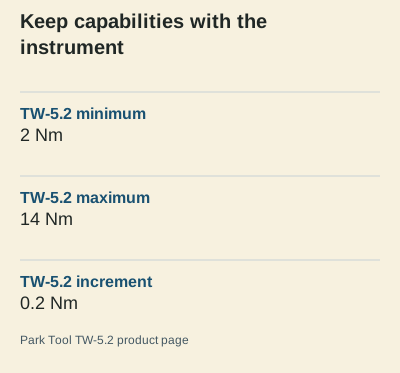
Keep the model's capabilities visible
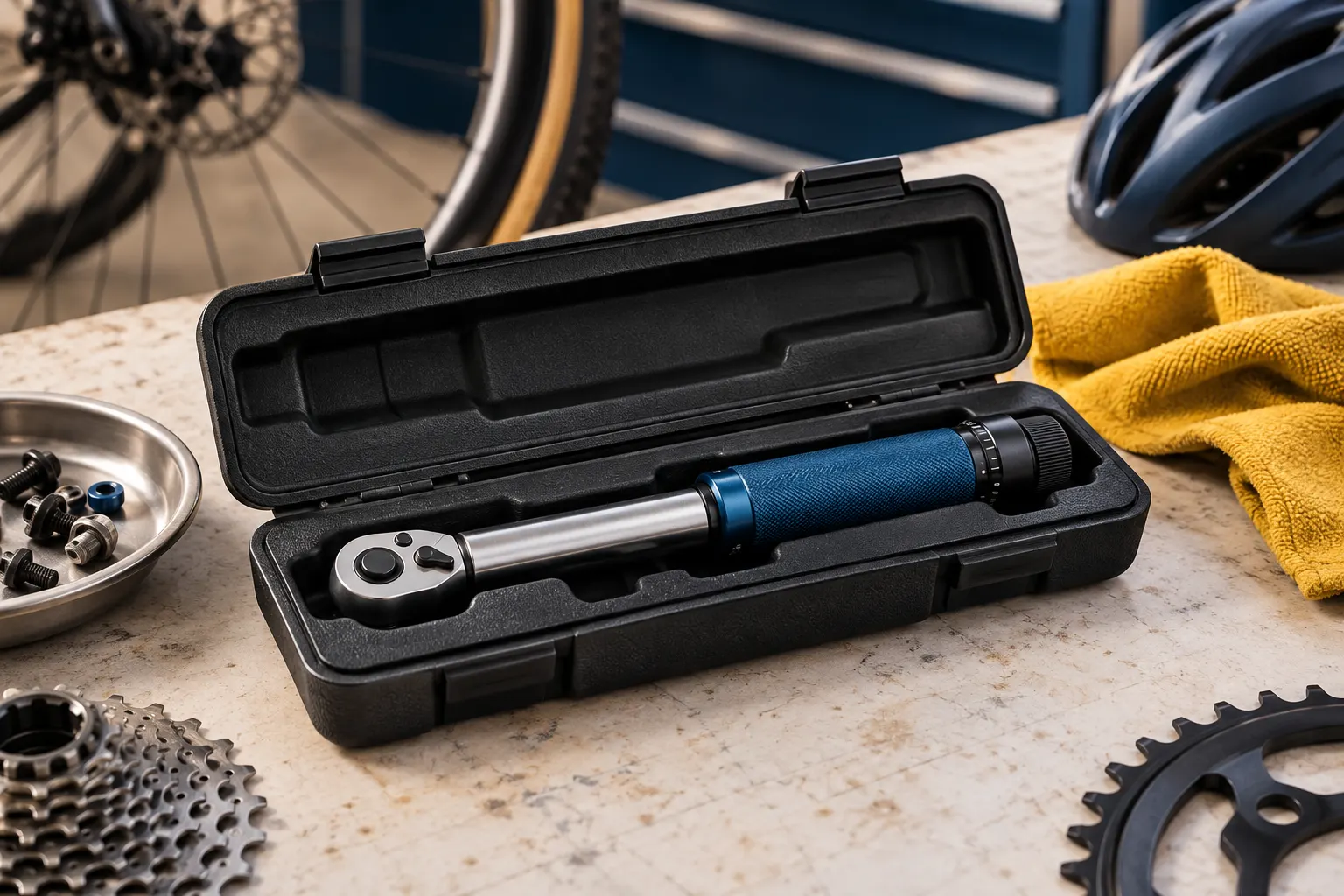
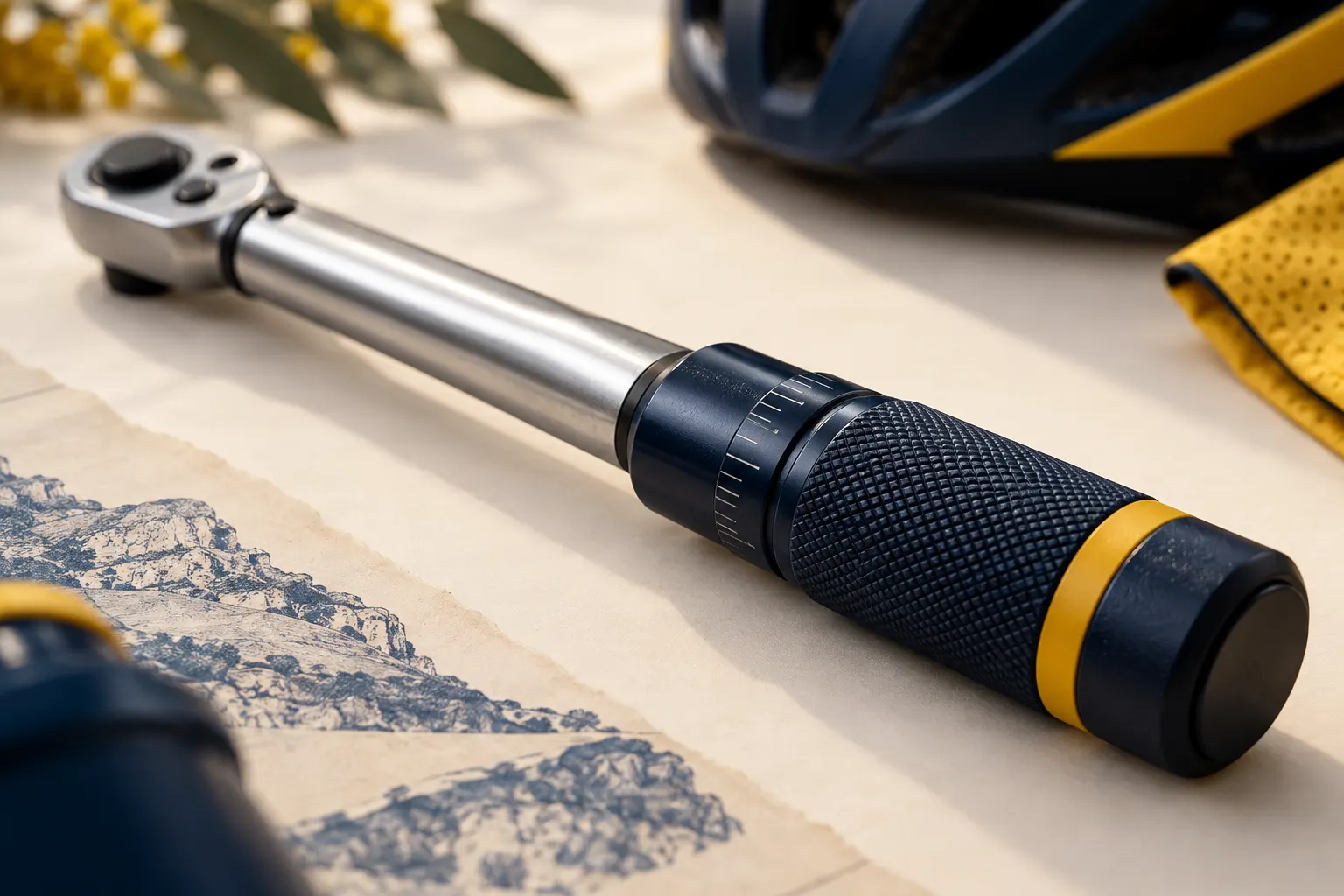
For the TW-5.2 example, Park Tool lists a range of 2 Nm to 14 Nm and an adjustment increment of 0.2 Nm. Write those figures in the instrument record with their source, while keeping actual component requirements in the separate job documentation. A record of a previous setting does not establish what the next fastener requires. Do not use a saved bicycle job as a replacement for current component instructions. The product page also warns against using a torque wrench as a general-purpose ratcheting driver, which is a care distinction worth retaining with the tool.
Use the correct care instructions
Park Tool's care article distinguishes different torque-tool designs and their handling requirements. Its click-type section discusses storage at the lowest marked value rather than zero, and explains that service or calibration becomes relevant with use. Consult the exact current instructions instead of transferring that wording automatically to a different instrument design. Do not invent a universal service interval for every tool or infer calibration from a tidy appearance. If a tool has been dropped, exposed to a concerning condition or behaves unexpectedly, seek the manufacturer's service advice rather than assuming the written specification still describes its actual performance.
Record events without claiming a test
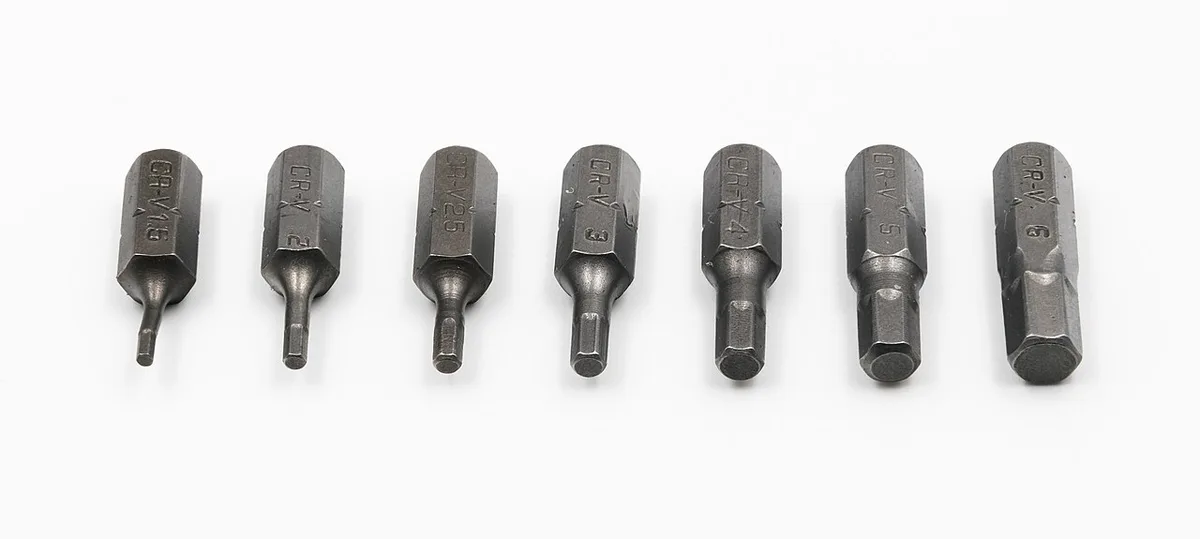
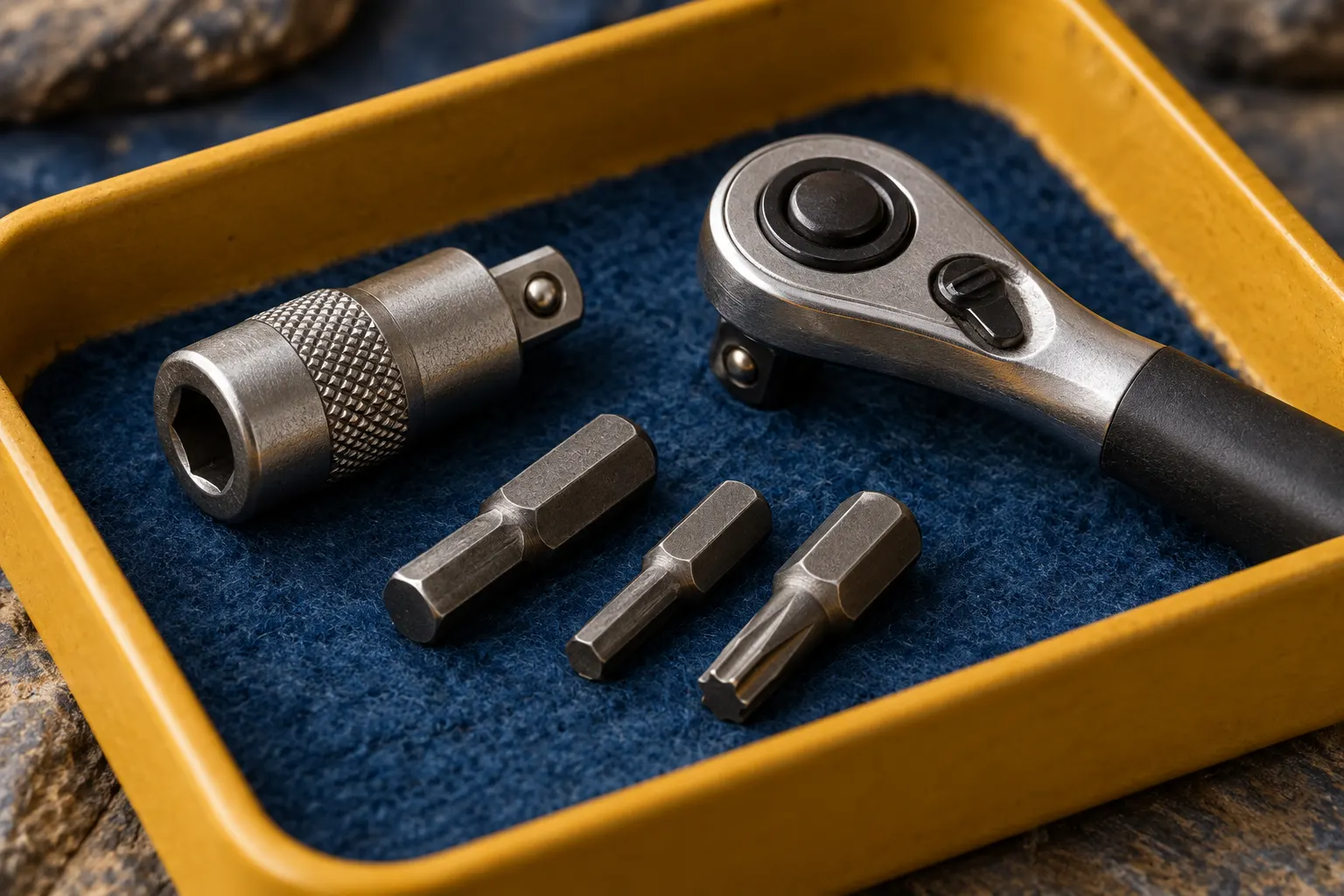
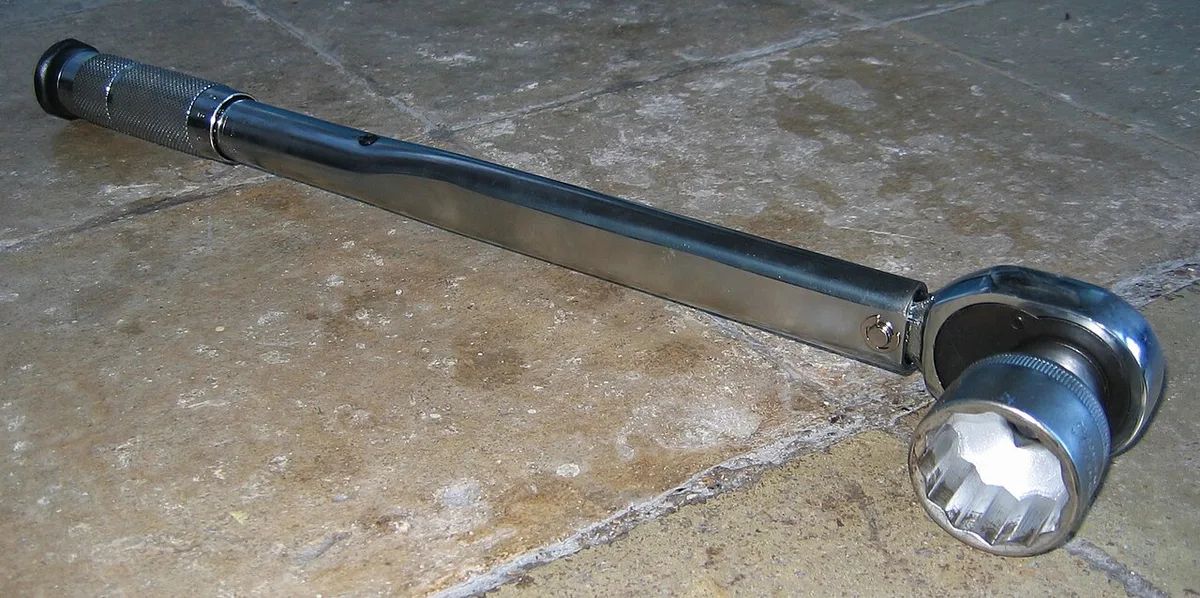
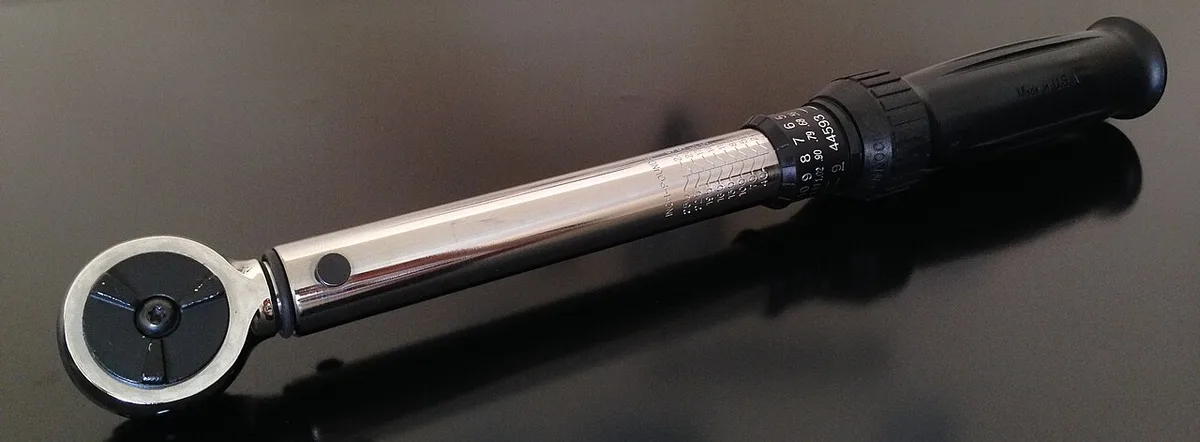
A practical file can include the instruction revision, purchase record, service correspondence and any event that prompted an enquiry. Label a service certificate accurately and keep it linked to the correct instrument identifier. An informal comparison with another tool is not automatically a calibration certificate. The archive photographs here show other measuring tools and accessories; this publication has not serviced or assessed them. Their appearance is not evidence about the TW-5.2 or your own instrument. Use photographs to identify an item or explain a concern, while preserving the limits of that evidence.
Keep the next action explicit
When a concern is unresolved, record the question and the manufacturer or service provider contacted. Keep any response tied to the exact tool and circumstances described. Before a future job, check both the instrument documentation and the component instructions rather than relying on a previous successful use. If the task or tool condition exceeds what you can establish, use qualified mechanical help. This record structure makes uncertainty easier to see and follow up. It does not verify accuracy, authorise a repair, recommend a torque setting or certify the bicycle work performed with the instrument.
Open official model documentation ? Open official model documentation ?